A "Very Early" Flu Season Is Crashing October: The West Gets Hit First as a Mutated H3N2 Strain Drives the Surge
Flu season did not wait for winter this year. It showed up in October, about a month ahead of schedule — and it picked the West Coast to make its entrance. The percentage of flu tests coming back positive has been climbing since early September, and flu-driven emergency room visits have been inching up for weeks. "There are enough signs pointing in the same direction," epidemiologist Caitlin Rivers of Johns Hopkins University told NPR on October 6. "This is the start of flu season."
Flu Arrived About a Month Early — and It Started in the West
Flu season in the United States normally begins sometime in October or November. This year it got going roughly four weeks ahead of that window. Stranger still is where it began: California, Washington, Hawaii and Alaska are seeing the first wave of activity. That is not how respiratory virus seasons usually play out — new waves typically start in the South and expand outward, Rivers noted, making this western ignition doubly unusual. In Seattle, doctors at the University of Washington are seeing as much flu right now as they would expect around Christmas, said Dr. Alex Greninger, who heads infectious disease diagnostics there.
Bay Area Wastewater Is Flashing Red While Hospitalizations Climb
A Mutated H3N2 Variant Is Slipping Past Immunity — and the Vaccine Missed It
Doctors stress that this is not a reason to skip the shot. A University of Pennsylvania study found that antibodies triggered by the current vaccine still efficiently recognized subclade K in nearly 40 percent of people, and the shot remains the best defense against severe disease and hospitalization.
Children Could Bear the Brunt, Doctors Warn
One of the most pointed warnings is aimed at parents. Physicians in Southern California expect this season may hit young children especially hard, the Los Angeles Times reported. Dr. Elizabeth Hudson, regional director of infectious diseases at Kaiser Permanente Southern California, said flu cases at Kaiser are concentrated in clinics for now — but hospitalizations typically surge after Christmas, and she expects the same pattern this year, just arriving sooner. The shape of the early curve, she added, looks much like what the Southern Hemisphere experienced during its winter flu season.
Get the Shot Now: It Takes Two Weeks to Work
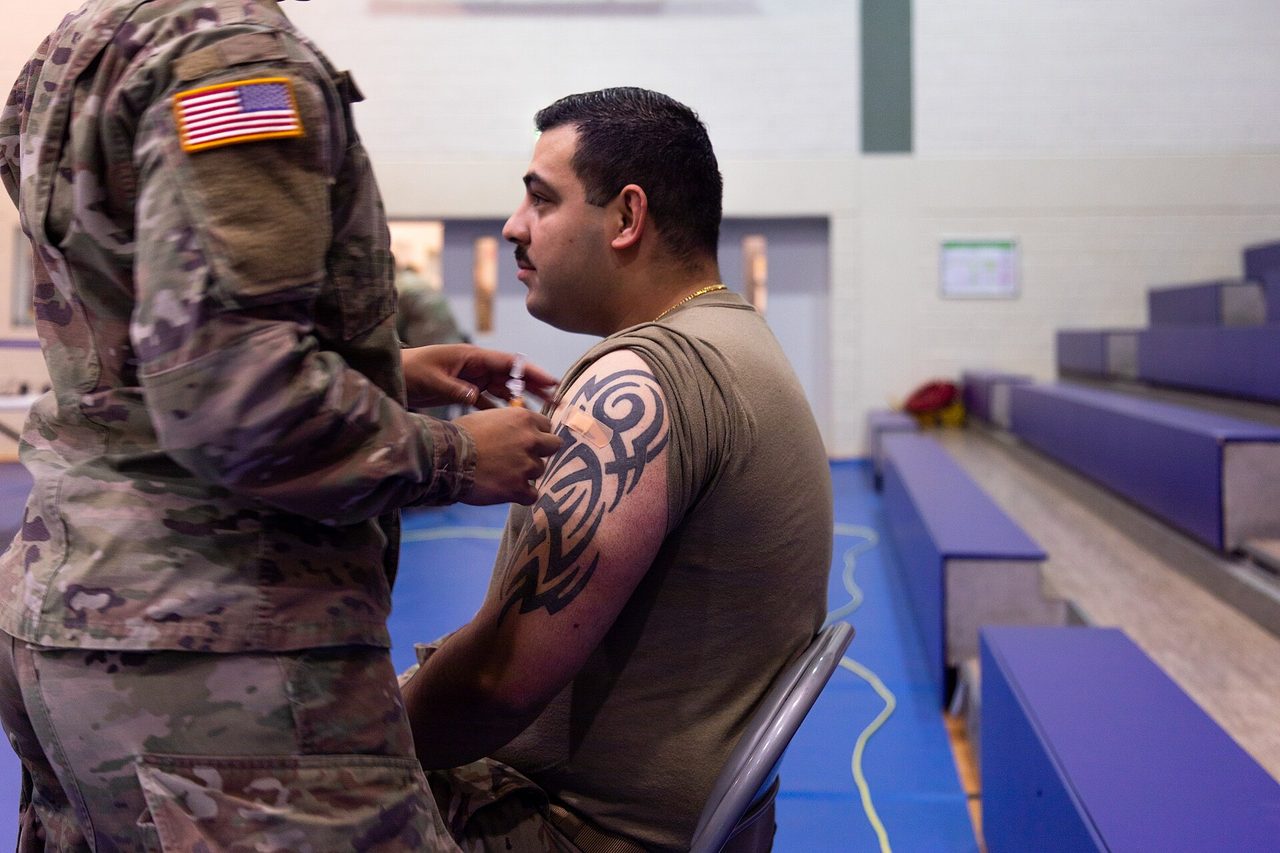
The expert advice is blunt: do not wait. It takes about two weeks for vaccine protection to build, and the shot is recommended for everyone six months and older. Public health agencies suggest getting it done by Halloween, while activity is still manageable. For those who dread needles, the nasal-spray vaccine FluMist is now available for home administration. And if flu symptoms strike, antivirals such as oseltamivir work best when started within a day or two of onset — a particular priority for older adults, young children and others at high risk. With Thanksgiving and Christmas travel approaching, the window to get ahead of this season is open now.