Ten Conditions That Surface Years Before an Early Alzheimer's Diagnosis
A Finnish team flags ten conditions ahead of diagnosis
Vertigo, depression and headache top the list
Ten conditions stood out, with differences most pronounced in the five years before diagnosis. Vertigo appeared in 5.9% of patients versus 2.1% of controls; depression 5.7% versus 2.3%; headache 4.9% versus 1.6%; stroke 4.4% versus 2.0%; alcohol-related disorders 3.4% versus 1.4%; brain disorders 2.9% versus 0.9%; thyroid disorders 2.5% versus 0.8%; epilepsy 2.2% versus 0.7%; delirium 1.5% versus 0.1%; and ear, nose and throat disorders 5.2% versus 2.9%.
Hearing trouble appears six to ten years out
Tinnitus and hearing loss broke the pattern in one respect: they were already more common six to 10 years before diagnosis. The authors wrote that vertigo, depression, headache, delirium, brain injuries, thyroid disorders, alcohol-related disorders, epilepsy, strokes and otorhinolaryngologic diseases were all more prevalent one to five years before diagnosis.
Blood pressure and lipids showed no gap
Hypertension and disorders of lipid metabolism — familiar risk factors for Alzheimer's in older adults — were not more common in the early-onset group than in controls. "Our findings support the view that early-onset Alzheimer's disease is not simply a younger-age version of late-onset Alzheimer's disease," said Johanna Krüger, an adjunct professor at the University of Oulu and the study's lead investigator. "Rather than the familiar cardiovascular risk factors, we observed a range of other health problems becoming more common as diagnosis approached."
Visits to care spike in the final year
Health-care use also rose steadily through the pre-diagnosis window, with the sharpest increase in the last year before diagnosis.
The authors cannot yet say what causes what
Co-author Suvi-Johanna Krüger, M.D., Ph.D., a clinical lecturer at the University of Oulu, noted that the neuropathological changes of Alzheimer's disease begin at least 15 to 20 years before cognitive symptoms appear, and that most previous research has focused on late-onset disease. She also cautioned that the study cannot determine whether these conditions cause early-onset Alzheimer's or result from the underlying disease process. "Some conditions may represent risk factors, while others may reflect early symptoms or changes occurring during the prodromal phase of the disease," she said.
Early-onset is not a younger version of late-onset
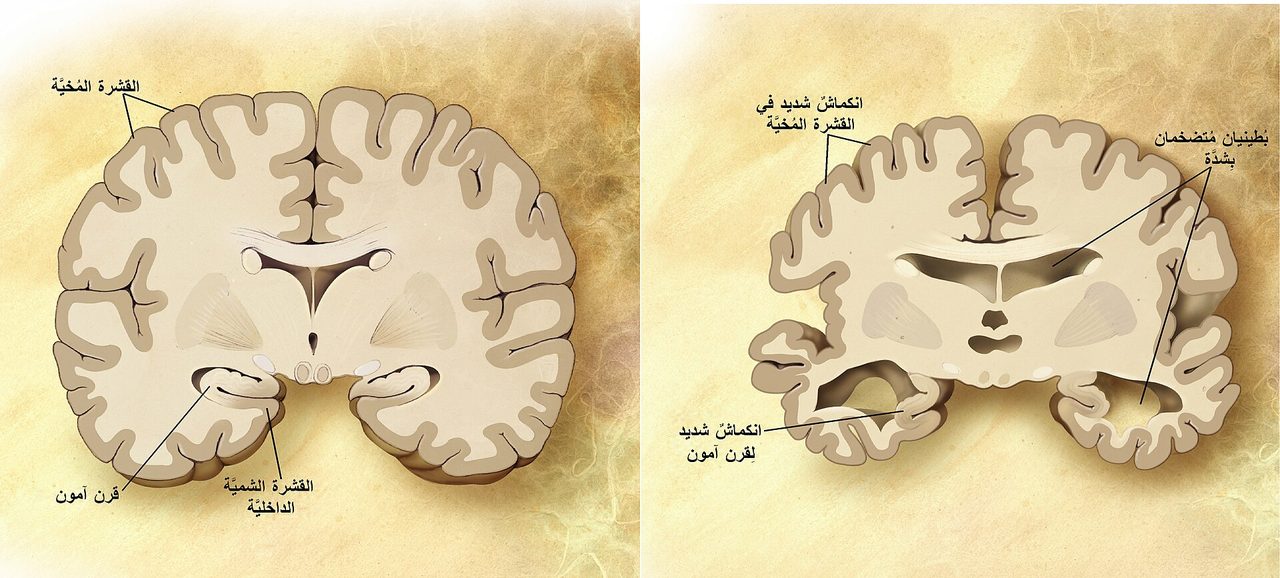
The findings cut against the habit of reading early-onset cases through the risk checklist used for older patients. The signals the team observed span neurological, psychiatric, endocrine and ENT systems, painting a picture of a disease that leaves traces well beyond the brain's memory circuits.
Who should pay attention
The people affected are working-age adults — those diagnosed before 65 — and their families. Persistent vertigo, depression, headaches or hearing loss, or newly appearing delirium or epilepsy, warrant medical assessment, especially when no clear cause explains them.
Why early detection matters
"Early diagnosis is important because more treatment and support options are available in the early stages of the disease," Krüger said. "Early diagnosis also gives individuals and their families more time to plan for the future and access appropriate support services."