A Startup Lit Up Mount Whitney to Sell Sunlight After Dark. Lone Pine Just Wanted to Know Why.
Two beams, and a town with no answers
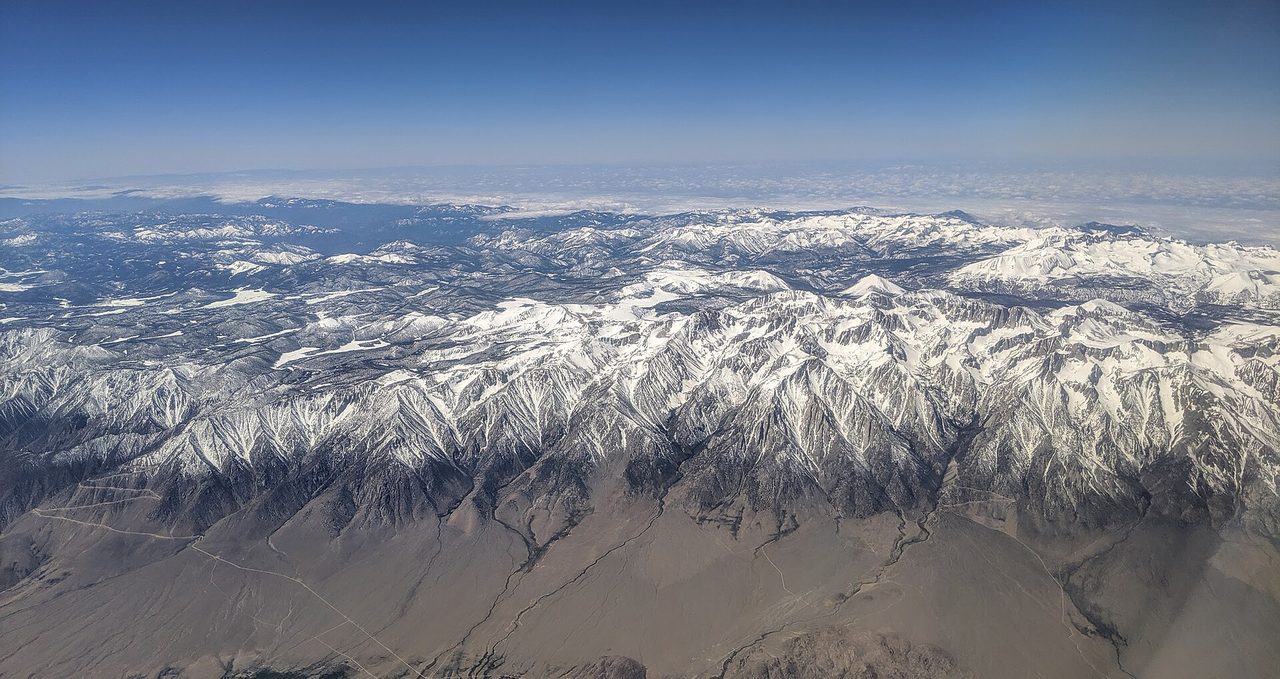
On Saturday night, residents of Lone Pine — a small town in California's Eastern Sierra, just below Mount Whitney — looked up and saw a pair of "incredibly bright" beams cutting down from the mountains into the low desert south of town. The sky had been pitch black. According to the San Francisco Chronicle, the beams seemed to come out of nowhere, casting a glow across the landscape. Nobody in town knew what they were looking at.
Neighbors drove up the switchbacks to check
The answer: a company selling sunlight at night
The explanation turned out to be neither extraterrestrial nor astronomical. Reflect Orbital, a startup based in Hawthorne, near Los Angeles, wants to place giant mirrors in orbit and bounce sunlight onto the night side of Earth — "sunlight on demand." Reported use cases range from lighting disaster zones for search and rescue, to nighttime events, to letting solar farms generate for more hours.
Spotlights on the peak, search crews on the ground
A company spokesman, Christopher Buscombe, confirmed to SFGATE that the beams were the company's. Crews mounted powerful mobile lighting near the peak of Mount Whitney, he said, "to recreate the light spot our satellites will deliver," aiming for "a precise, realistic simulation of the spot, so emergency responders could see how our technology will perform in real scenarios."
The test was run with China Lake Mountain Rescue and other volunteer search-and-rescue teams, who practiced grid searches, stretcher carries and equipment rigging both in darkness and under the lights.
Rescuers saw three miles, but shrug at the hype
Phillip Cash, operations leader for China Lake Mountain Rescue, told the Chronicle the illumination was slightly brighter than a full moon and let searchers see roughly three miles in every direction. "There was definitely an awe factor," he said. "There's no light and then suddenly you can see 3 miles around you in every direction." He was also measured about the payoff: crews found it psychologically easier to see the terrain and operate, but "I don't think this is going to change search and rescue forever — we're pretty good at working at night already."
The real product is a mirror in orbit
Regulators cleared spectrum, not the night sky
The FCC granted Reflect Orbital a license on July 9, covering a single satellite and a single demonstration pass, and radio spectrum only; the license runs two years. The American Astronomical Society had petitioned the agency in March to deny the request, and after the July grant, DarkSky International and allied groups asked for a reversal. No ruling date has been set.
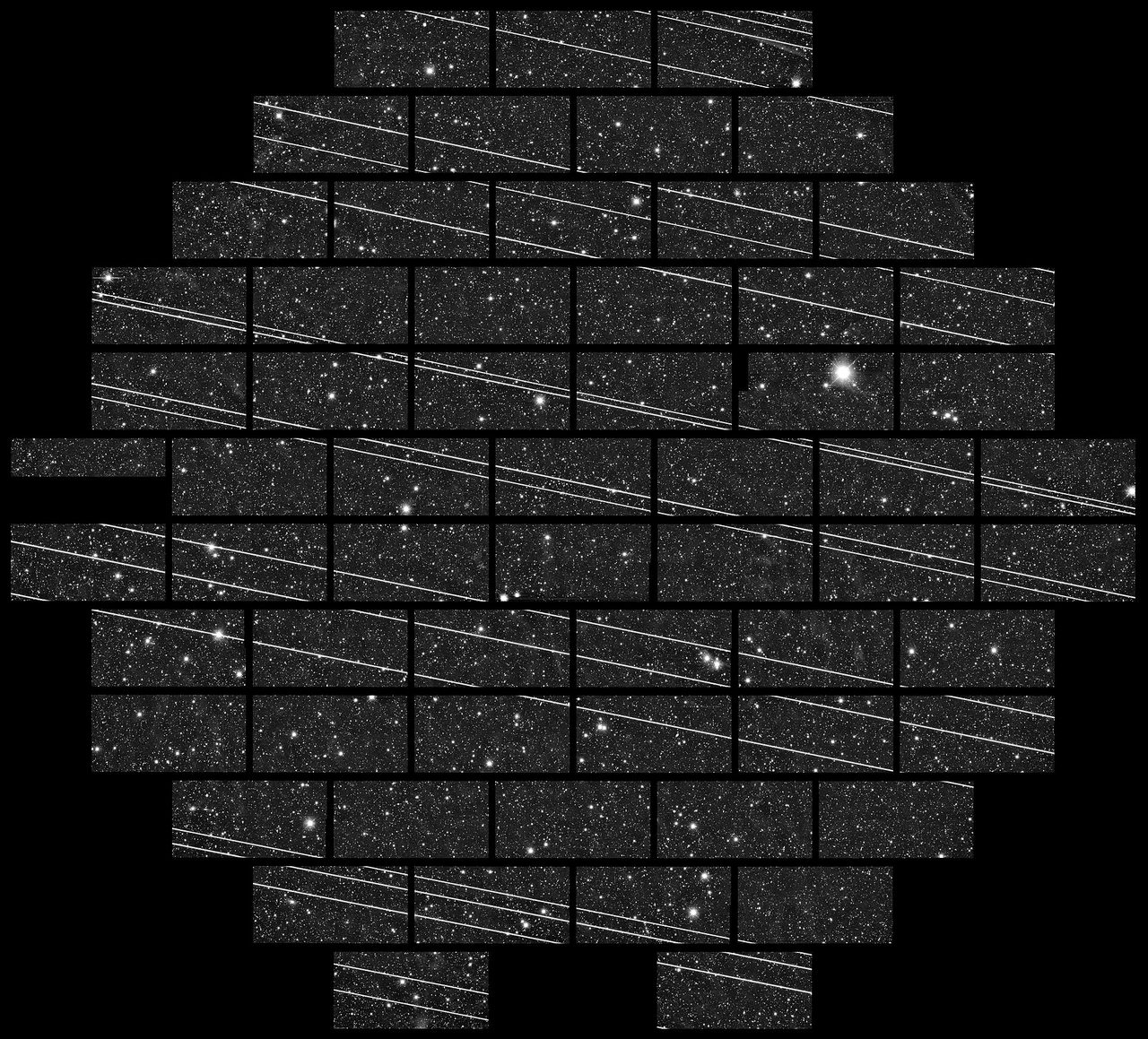
The objections have been blunt. DarkSky CEO Ruskin Hartley called the project "an unprecedented assault on the nighttime environment." Robert Massey of the Royal Astronomical Society said that from an astronomical perspective it is "pretty catastrophic." Astronomer Stephen Hummel of the McDonald Observatory said the project "amplifies the issue to the point where it's impossible to ignore." Jonathan McDowell, who has catalogued objects in orbit since 1989, called it "an insane project" and said there is "a failure to understand that darkness is a good thing." He puts active satellites at more than 16,000 today, up from about 2,000 in 2018.
Why this town, of all places
Lone Pine sits in the Owens Valley, a dry, sparsely populated basin prized for dark, transparent night skies — which is precisely what critics say is at stake. Their concerns cluster around three things: interference with astronomical observation, disruption of wildlife migration and feeding patterns, and the effects of artificial light on human sleep and health. Reflect Orbital says it will publish orbital information in advance, use geofenced zones to keep light away from observatories and protected areas, reorient the mirror in standby to reduce its visibility, and commission independent research on the astronomy impact.
What happens next
Eärendil-1 is expected to launch later this year on a SpaceX Falcon 9 rideshare. On Wednesday the company also announced it had purchased two launches from India's Skyroot Aerospace, to fly on Vikram rockets. For Lone Pine, the spectacle was only a rehearsal: no satellite light spot has yet fallen on anyone's night sky.