Moderna and Merck Say Personalized mRNA Cancer Vaccine Cut Melanoma Recurrence or Death by 42%
What the Trial Found
24.6-Month Follow-Up, 0.58 Hazard Ratio
First Phase 3 Trial Proving Personalized Cancer Vaccines Work
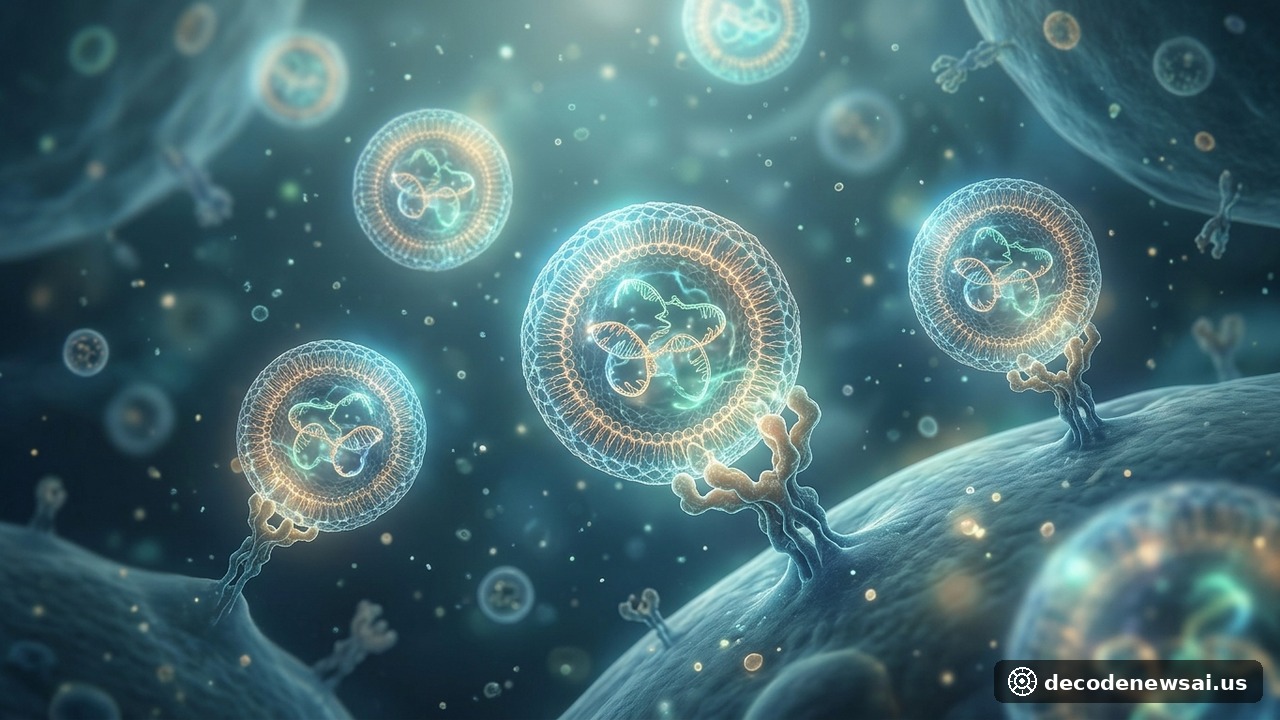
This is the first Phase 3 study to show that a treatment built from the unique fingerprint of a patient's own tumor can reduce the risk of cancer recurrence or death. The vaccine is not off-the-shelf: an algorithm selects up to 34 mutant proteins, or neoantigens, from each patient's tumor, and the mRNA trains the immune system to recognize them. Keytruda releases a brake on immune cells so the two work together. The regimen is used as adjuvant therapy to lower the chance of recurrence after surgery.
82.2% Cancer-Free at Two Years, FDA Filing in Preparation
In the trial, 82.2% of patients receiving the vaccine plus Keytruda remained cancer-free at two years, versus 70% on Keytruda alone. Benefit was broadly consistent across subgroups: stage 3B–4 patients saw a 43% reduction in recurrence risk, while stage 2B–3A patients saw 40%. Melanoma expert Hussein Tawbi of MD Anderson called the result "highly statistically significant" and "not by chance." The companies are preparing an FDA filing and expect to launch the vaccine in 2027. Under their 2022 agreement, Merck paid Moderna $250 million to exercise its option, and the two share development costs and future profits equally.
ESMO Presentation, Launch Expected in 2027
Full results will be presented Saturday at the European Society for Medical Oncology meeting in Madrid. Beyond melanoma, the partners are exploring intismeran in other tumor types. Analysts had looked for at least a 40% reduction, so the 42% outcome largely met expectations, though Moderna shares fell as much as 26% intraday after the data leaked early.