Alaska's Two-Sullivan Ballot Sets Up a Senate Seating Fight
A Lawsuit Before a Winner Exists
The Justice Department has sued Alaska before a single ballot is counted. In a complaint filed in the U.S. District Court for the District of Alaska, federal prosecutors asked the state Division of Elections not to certify Democrat Mary Peltola as the winner of the Nov. 3 Senate election if she defeats incumbent Republican Dan S. Sullivan, pending an investigation into voter confusion. The state's target date for certification is Nov. 25, and the new Congress convenes on Jan. 3. The move is extraordinary because it seeks to freeze certification conditionally, based on an outcome that has not happened yet, in a race that could decide control of the Senate.
Trump Says He Ordered It
President Donald Trump confirmed that he personally ordered the lawsuit. A Justice Department spokesperson said Alaska's Division of Elections had already determined that the candidacy of Daniel J. Sullivan was intended to mislead voters and compromise ballot fairness, and said the department was acting under the National Voter Registration Act to protect the integrity of a federal election. Attorney General Todd Blanche later denied that the suit was trying to stop certification of Alaska's election. Voting-rights groups and Democrats called that distinction hollow, arguing the practical effect would be to block a Peltola victory from taking effect.
Two Sullivans, One Ballot
Peltola Asks for a Fast Dismissal
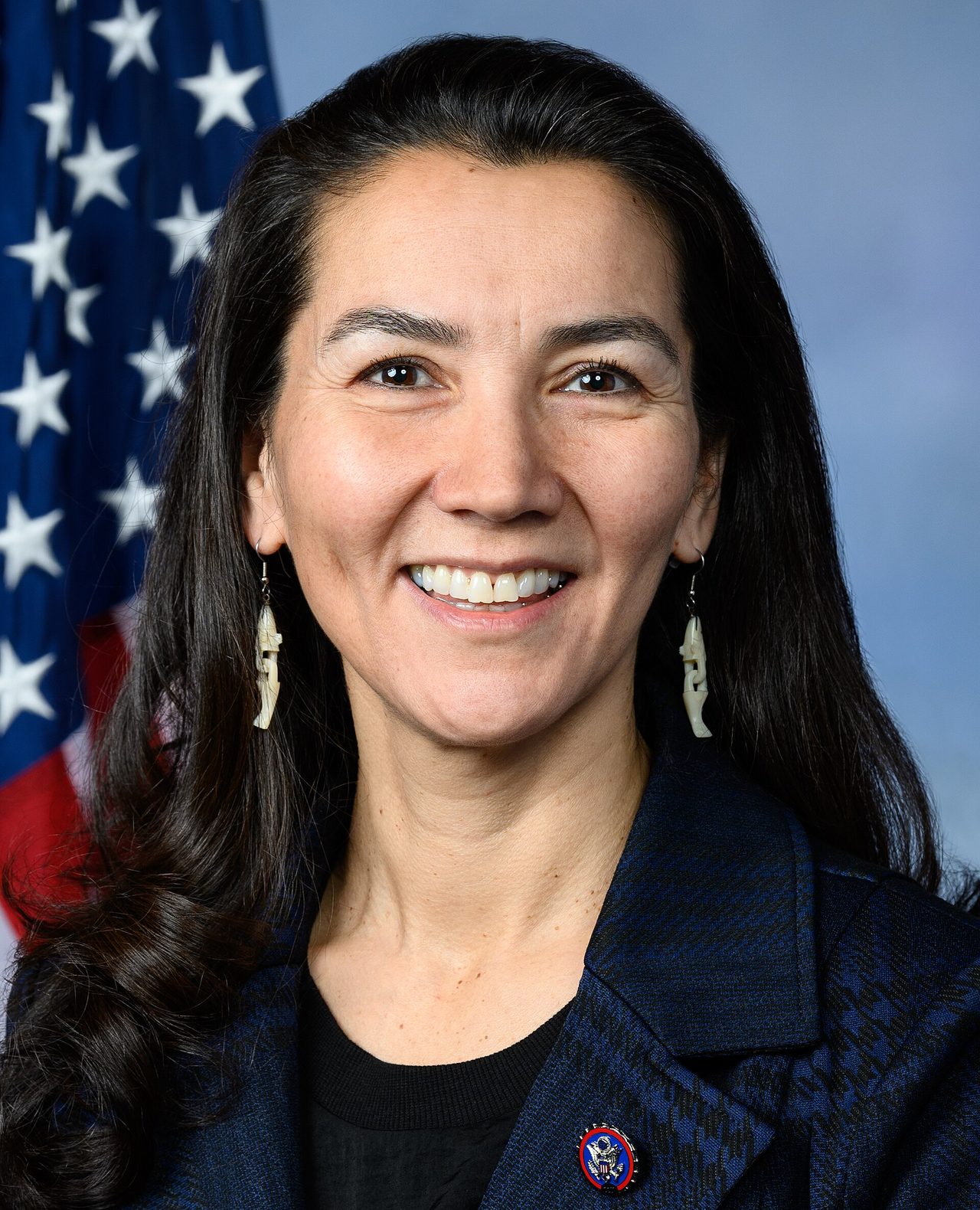
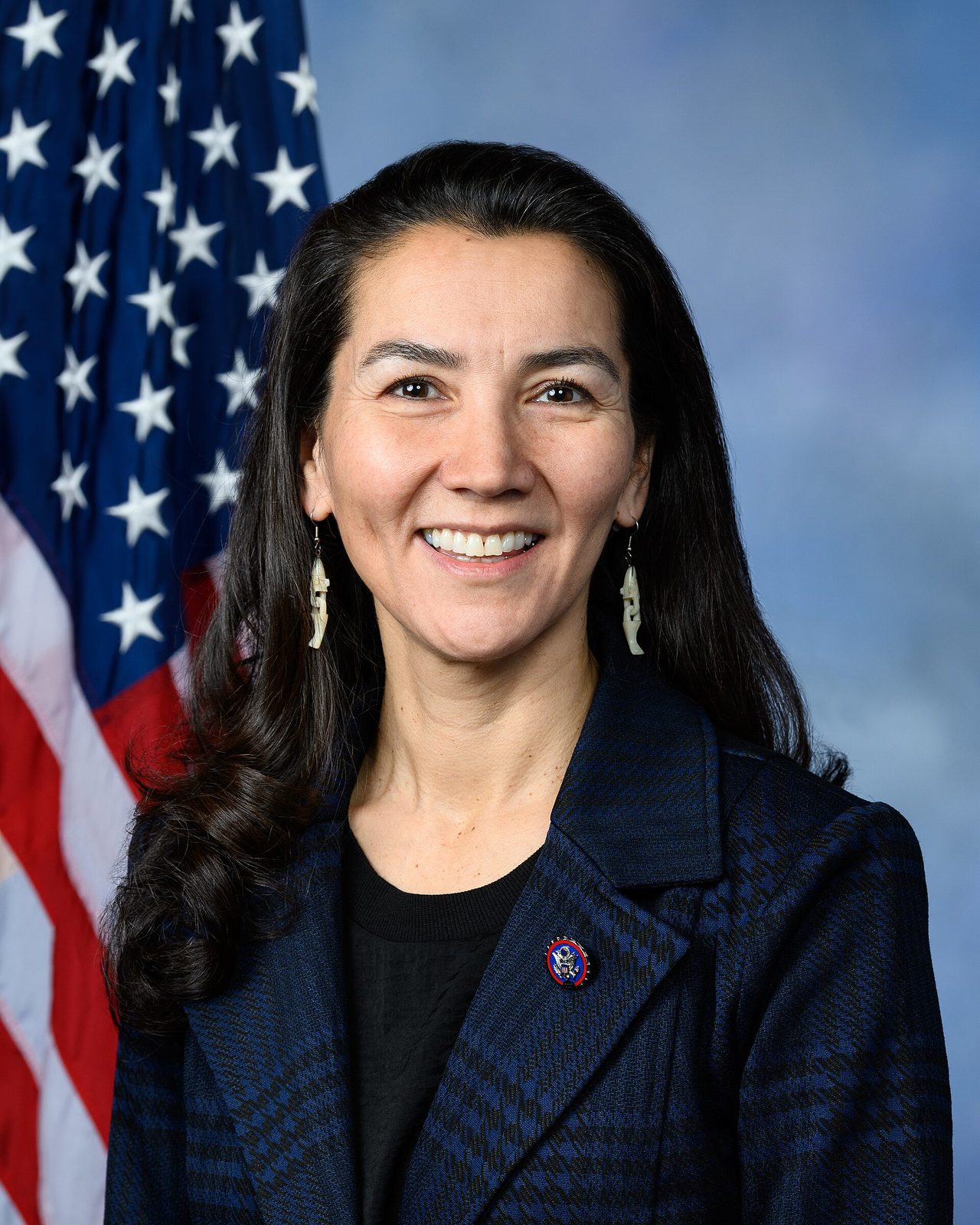
Peltola, who represented Alaska in the U.S. House from 2022 to 2025, is challenging Sullivan in a race both parties treat as pivotal. Her campaign and the Democratic Senatorial Campaign Committee asked a federal judge to dismiss the Justice Department case before Election Day. Democratic and voting-rights groups, in filings submitted in late October, argued the department wants an investigation into whether voters who picked Daniel J. Sullivan meant to vote for the senator, and would hold up a Peltola win where the namesake's share exceeds the margin. Peltola spokesman Harry Child called the suit a political threat to overturn an election, driven by fear that Sullivan would lose a seat he has held for more than a decade. Legal experts quoted across national and Alaska outlets broadly described the federal claim as meritless.
Why a Red State Is Close
Alaska voted for Trump by double digits in the last presidential race, yet this Senate contest is rated a toss-up by NBC News and by the Cook Political Report. Decision Desk HQ's polling average put Peltola ahead by roughly 2 percentage points, with a lean Democratic forecast. Democrats list Alaska among about five pickup opportunities. Peltola is running an Alaska-first campaign, telling voters in a recent ad to forget party and forget politics, while Sullivan points to his Senate record. The two clashed over war policy, high prices and fisheries in an hourlong final debate hosted by Alaska Public Media with Alaska's News Source and KTOO. The election uses ranked-choice voting, and early voting has already begun.
Certification Is the Next Choke Point
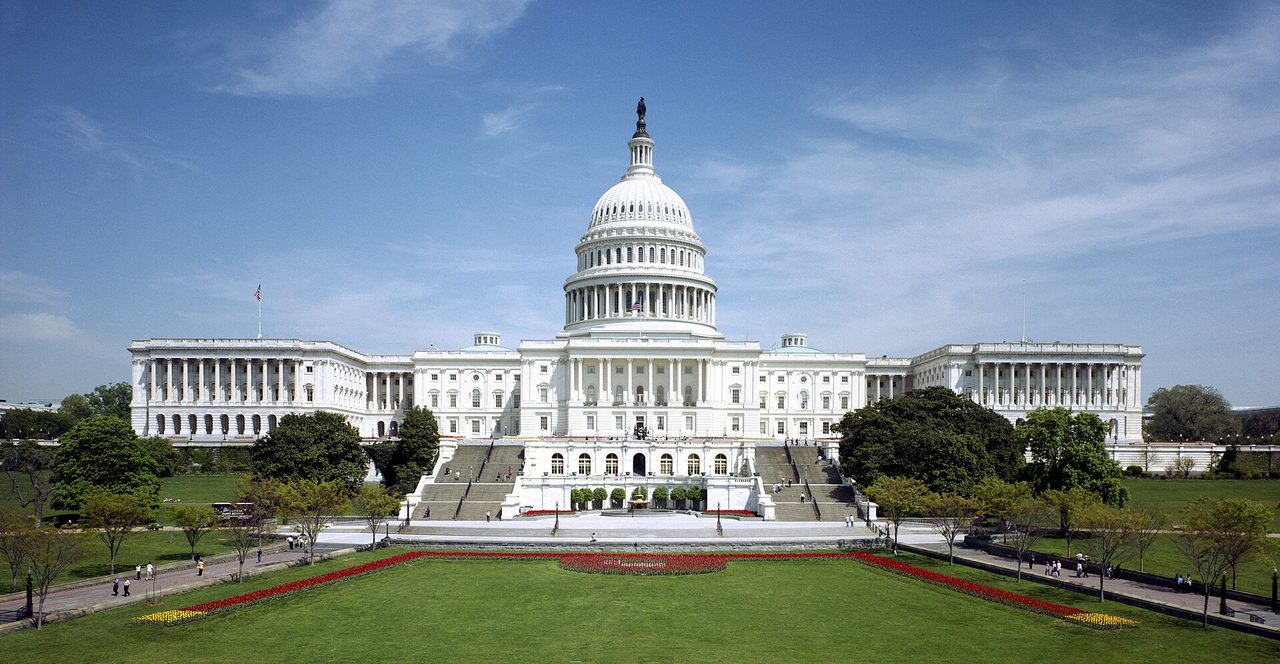
Even if Peltola wins narrowly, she would need certification by Republican Gov. Mike Dunleavy and Lt. Gov. Nancy Dahlstrom, who performs the duties of secretary of state. Senate Republicans argue that without state certification, Senate rules would not permit seating her when the chamber convenes, leaving the matter to Alaska courts. Arizona State University political scientist Steven S. Smith said the lawsuit has already built the narrative of deliberate deception, giving Trump grounds to claim unfairness even though state courts resolved the ballot question. Democratic senators generally describe Majority Leader John Thune as a straight shooter unlikely to reject a governor-certified result, but they expect pressure from the White House for a floor challenge if the margin is small.
What Comes Next
The first deadline is judicial: whether the federal court dismisses the case before Nov. 3. The second is administrative: the Nov. 25 certification target. The third is political: Jan. 3, when the Senate decides whom to seat. The Constitution gives the executive branch only a minimal unilateral role in administering elections, which is why analysts expect the Justice Department to struggle in court. The larger risk, they say, is a political fight layered on top of a close count, with the Senate asked to second-guess Alaska's voters and courts.