A Million New Satellites Could Light Up the Night Sky
Filings reveal megaconstellations in the millions
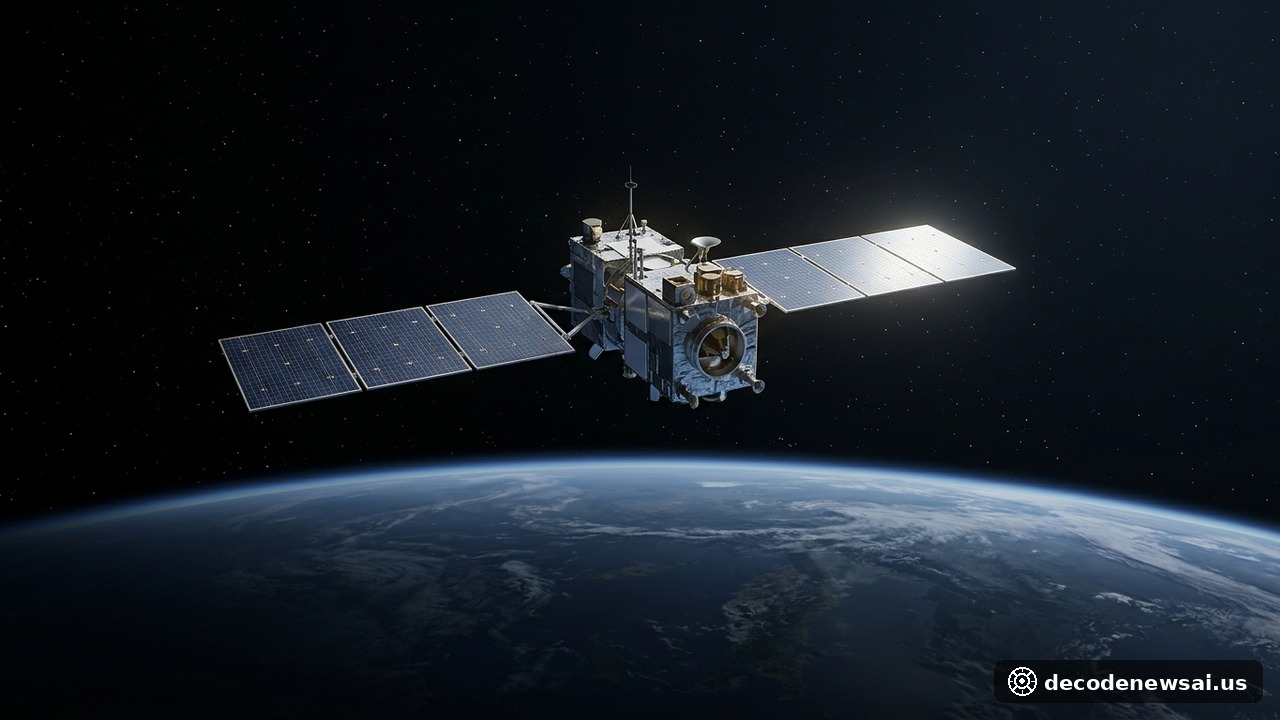
The plan to move data centers off the planet is now on the regulatory record. SpaceX has filed its "Starmind" orbital AI data center system: more than 1 million satellites operating between 500 and 2,000 km altitude in clusters spaced 50 km apart, relaying data through high-bandwidth optical links to Starlink and then to ground stations. It is not alone. Blue Origin filed for 51,600 satellites, Starcloud for 88,000, Cowboy Space for 20,000 and Orbital Compute for 100,000, with E-Space's "Cinnamon" project and China's CTC-1 and CTC-2 constellations adding hundreds of thousands more.
Google's chip is already computing in orbit
Astronomers call the filings devastating
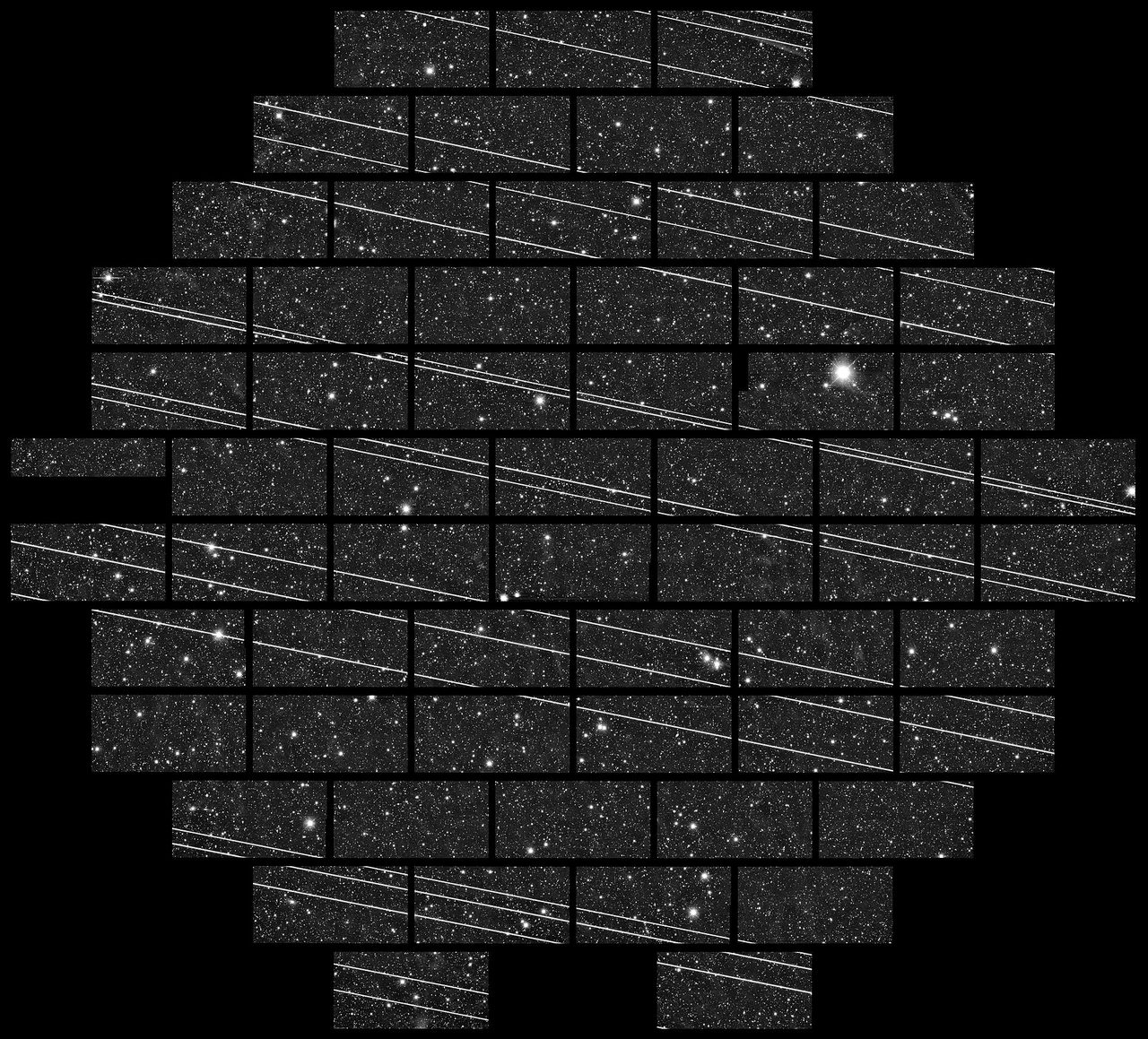
Astronomers are appalled. A European Southern Observatory study led by Olivier Hainaut simulated all 1.7 million-plus proposed satellites and found "devastating consequences for astronomy." The team called for a cap of 100,000 satellites in total, all too faint to see with the naked eye — Hainaut personally prefers 50,000. A separate paper modeling a roughly 1-million-satellite data-center constellation for the Vera C. Rubin Observatory found specular reflections from solar panels as bright as magnitude 2 to 4, diffuse reflections around magnitude 6, and sky brightness up more than 1,000 percent near twilight with no Moon even at just 10 percent deployment.
Rubin's ten-year survey faces streaks
Orbit is already crowded
The baseline is already extreme: more than 14,000 active satellites, about 11,000 of them Starlink, with Amazon Leo heading past 3,000 and Chinese operators filing for around 200,000 spacecraft. If everything proposed launched today, some 70,000 illuminated objects would share the sky — many times the number of stars visible to the naked eye. Hainaut estimates telescopes would need exposures three times as long to compensate, and the Royal Astronomical Society has warned the starry night sky could effectively disappear.
Approval and brightness limits come next
What happens next is a two-front fight: licensing and brightness rules. SpaceX's million-satellite application is far from approved — last year it sought some 22,000 next-generation Starlink craft and received a partial license for 7,500. The International Astronomical Union recommends keeping satellites fainter than about magnitude 7, yet measurements show Starlink exceeding that limit on roughly a quarter of observable passes, and China's Guowang constellation on more than half. Even Google's Suncatcher lead concedes orbital computing will not be cheaper than ground computing within five years. The sky, in other words, gets brighter first and the economics get proven later.