A nearly 22-year mission is nearing reentry
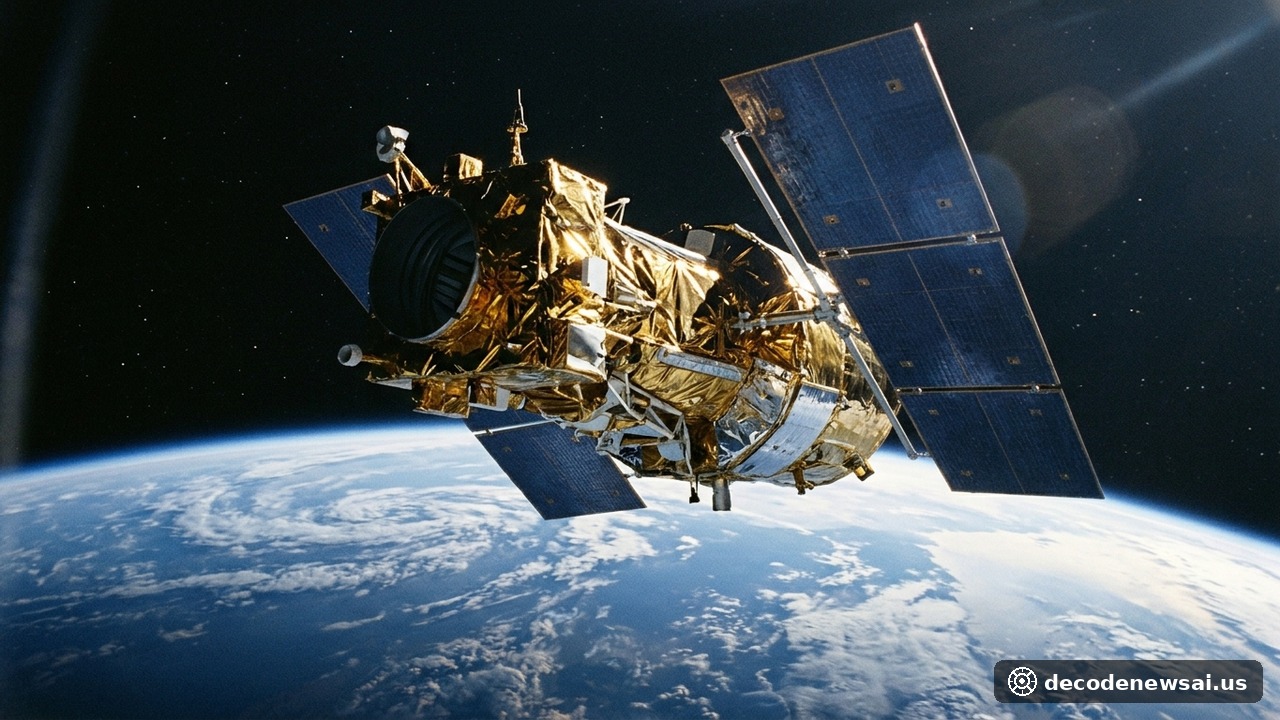
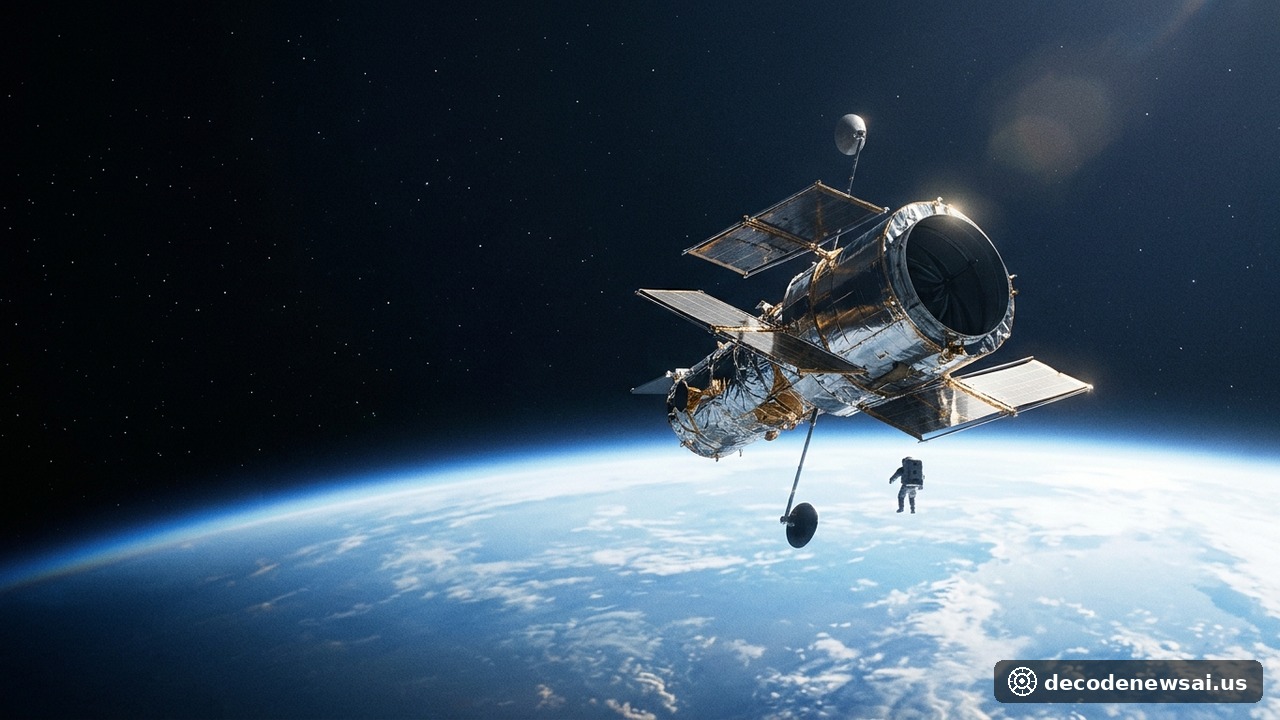
NASA says the Neil Gehrels Swift Observatory is expected to reenter Earth’s atmosphere on November 4. The spacecraft was designed as a multiwavelength observatory to study some of the most powerful explosions in the universe. After nearly 22 years in orbit, its altitude has declined and it is expected to return through the atmosphere this week. The reentry is not a controlled landing, and both the timing and the location of any surviving debris remain uncertain.
The predicted time still has a wide margin
In an update published November 2, NASA said the U.S. Space Force forecast a reentry at approximately 3:30 a.m. Eastern on November 4, with an uncertainty of about 11 hours. The prediction can change as orbital tracking data are updated. The stated time should therefore not be treated as a precise moment when debris will reach the ground. NASA and the Space Force said they would continue monitoring the spacecraft and revising the forecast as needed.
Most of the spacecraft is expected to burn up
NASA estimates a low risk of harm
NASA estimates the chance of someone on Earth being harmed by surviving debris at approximately one in 2,100. That is an estimate of the risk of harm to a person, not a prediction that debris will strike a populated area. The agency expects most of the spacecraft to burn up, while acknowledging that some components could survive. The number and location of any fragments cannot be predicted precisely at this stage. The possible latitude band should not be interpreted as a forecast for a specific city or community.
The event highlights the long-term issue of satellite disposal
Swift’s return also illustrates the growing challenge of managing spacecraft at the end of their missions. As activity in low Earth orbit increases, more satellites must be monitored and safely removed from orbit when their missions end. NASA and the Space Force are tracking Swift to narrow the expected reentry window and potential region. The most reliable information will come from official updates as the spacecraft approaches reentry, not from unverified social-media claims about a specific impact location.