What Comes Next After Democrats Take Congress: Investigations, Health Care and Budget Battles
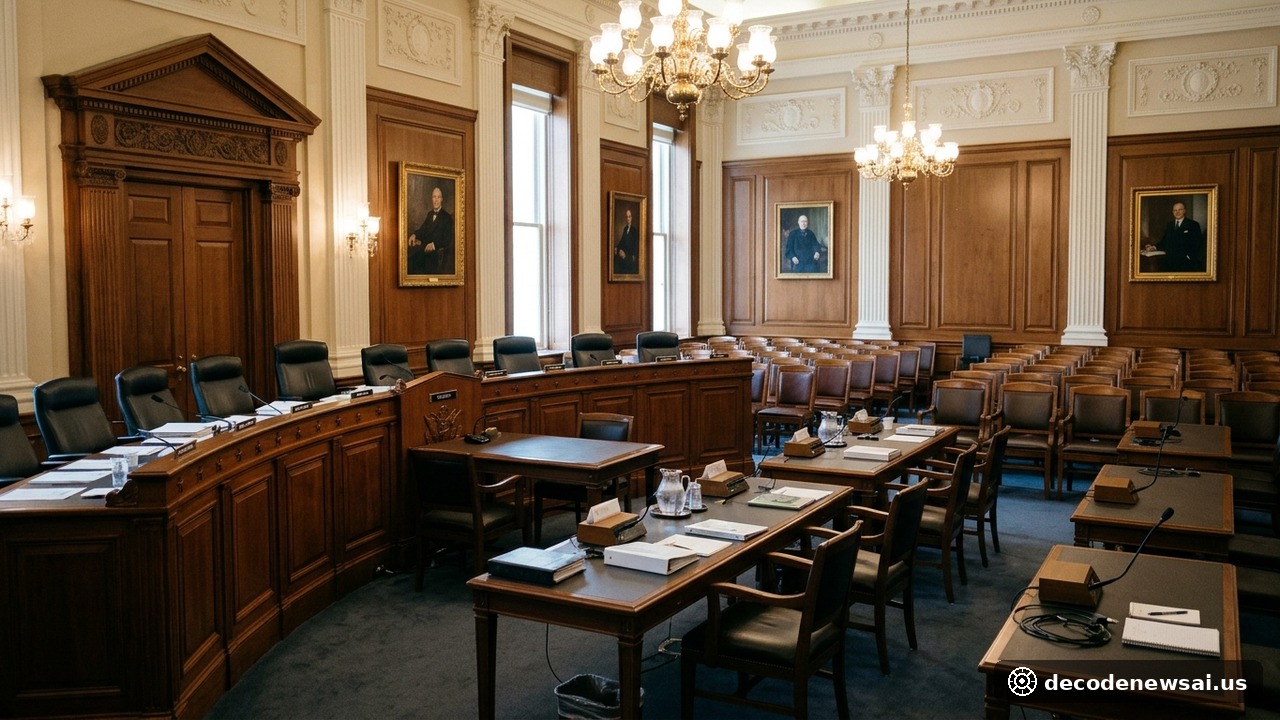
The new Congress begins work in January
Democrats’ victories in the 2026 midterm elections will give the party control of both the House and the Senate, ushering in a new period of divided government in Washington. The new Congress is scheduled to begin its term on January 3, 2027. Republicans will retain control of the current Congress until the new members are sworn in. House Democratic Leader Hakeem Jeffries is positioned to become the first Black speaker of the House, but that outcome is not automatic. Democrats must first select their nominee through the party conference, and the full House must then elect a speaker. Senate leadership and committee chairmanships will also change as the new majority organizes the chamber. The transition will determine how quickly Democrats can use their new authority. Committee assignments, leadership elections and the adoption of chamber rules will shape the first weeks of the new Congress.
Investigations will be one of Democrats’ most immediate tools
Democrats are expected to use their control of House committees and subpoena power to investigate the Trump administration. ABC News reported that possible subjects include the president’s and his family’s business activities, immigration enforcement, records related to Jeffrey Epstein, presidential pardons, government contracting and construction projects in Washington. Representative Robert Garcia, a leading Democrat on the House Oversight Committee, and Representative Jamie Raskin, the party’s top member on the Judiciary Committee, are among the lawmakers expected to play central roles. Their committees can request documents, call witnesses and hold public hearings. They can also issue subpoenas, although the administration may resist some requests. Congressional investigations do not automatically establish wrongdoing. The administration could challenge subpoenas or refuse to comply, leading to prolonged disputes in court. The results may therefore depend not only on what committees investigate, but also on how quickly they can obtain evidence and whether the courts uphold their demands.
Health care and affordability are central legislative priorities
Jeffries and other Democratic leaders have identified lower living costs, restoring Affordable Care Act premium tax credits, reversing parts of the Medicaid cuts enacted under Trump’s domestic policy law, and expanding tax relief for working families as priorities for the new majority. Democrats may also seek changes to tariffs and policies intended to reduce energy and housing costs. But a party’s ability to introduce legislation is not the same as its ability to enact it. Most major Senate legislation is subject to the filibuster, which generally requires 60 votes to end debate. Democrats are expected to hold roughly 54 Senate seats, short of that threshold. Some budget-related measures may be eligible for reconciliation, which can pass with a simple majority if they meet strict procedural requirements, but reconciliation cannot be used for every policy proposal. Even if a bill passes both chambers, Trump retains the power to veto it. Overriding a presidential veto requires a two-thirds majority in both the House and Senate. Democrats therefore may be able to pass bills that demonstrate their priorities, but many proposals will require Republican support or negotiations with the White House to become law.
Funding deadlines and the debt ceiling could trigger confrontation
Federal spending and the debt ceiling are likely to become major points of conflict in 2027. Control of both chambers gives Democrats influence over appropriations and the ability to block Republican spending priorities. The party may use funding negotiations to seek changes in administration policy or greater oversight. Republicans, meanwhile, can rely on Trump’s executive authority and veto power to resist Democratic proposals. Reuters and Allianz analysts have warned that budget negotiations and debt-ceiling deadlines could create political and market uncertainty. A government shutdown could disrupt services, delay payments and affect federal employees and contractors. A debt-ceiling standoff could also unsettle financial markets if investors begin to question whether the government will meet its obligations on time. The election does not remove the need for bipartisan agreement on funding. The new majority will have to decide which demands are essential and which compromises are necessary to avoid a shutdown or a prolonged fiscal crisis.
Impeachment is possible but not inevitable
A Democratic House could initiate impeachment proceedings by approving articles of impeachment with a simple majority. Removing a president from office, however, requires a two-thirds vote in the Senate. A Democratic majority of roughly 54 seats would be far short of that threshold. Jeffries has not committed to making impeachment a central priority. He has said Democrats have not ruled out possibilities, but has also avoided promising an immediate process. Investigations, hearings and reports may offer a more practical way to scrutinize the administration and build a public record. Impeachment could become part of the debate if investigations uncover evidence that Democrats believe warrants it, but it is not an automatic consequence of winning Congress.
The election victory must become governing results
Democrats enter the new Congress with greater power, but the party still faces internal divisions over health care, immigration, energy, foreign policy and fiscal policy. Progressives may press for ambitious changes, while moderates may prefer narrower proposals that could attract Republican votes. Republicans will also use Senate procedure and the president’s veto power to block or reshape legislation. The first months of the new Congress are likely to focus on selecting leaders, organizing committees, launching investigations and negotiating federal funding. Voters who supported Democrats will expect visible progress on prices, health care and household finances. Whether the party can turn its new oversight authority into concrete policy results will help determine whether the 2026 election coalition remains together ahead of the 2028 presidential campaign.
Sources
- ABC News: Democrats take the House. Here’s what they plan to investigate and their legislative agenda
- CBS News: Democrats retake House majority after 4 years
- NPR / OPB: Democrats win full control of Congress, ushering in a new era of divided government
- Roll Call: Democrats flip House as Republicans confront ‘blue tsunami’
- WMUR: Democrats just took back control of Congress. What’s next?