New Jersey Governor Warns Ports Against Russian Diesel as Federal Authority Is Disputed
Sherrill tells port operators to reject the shipments
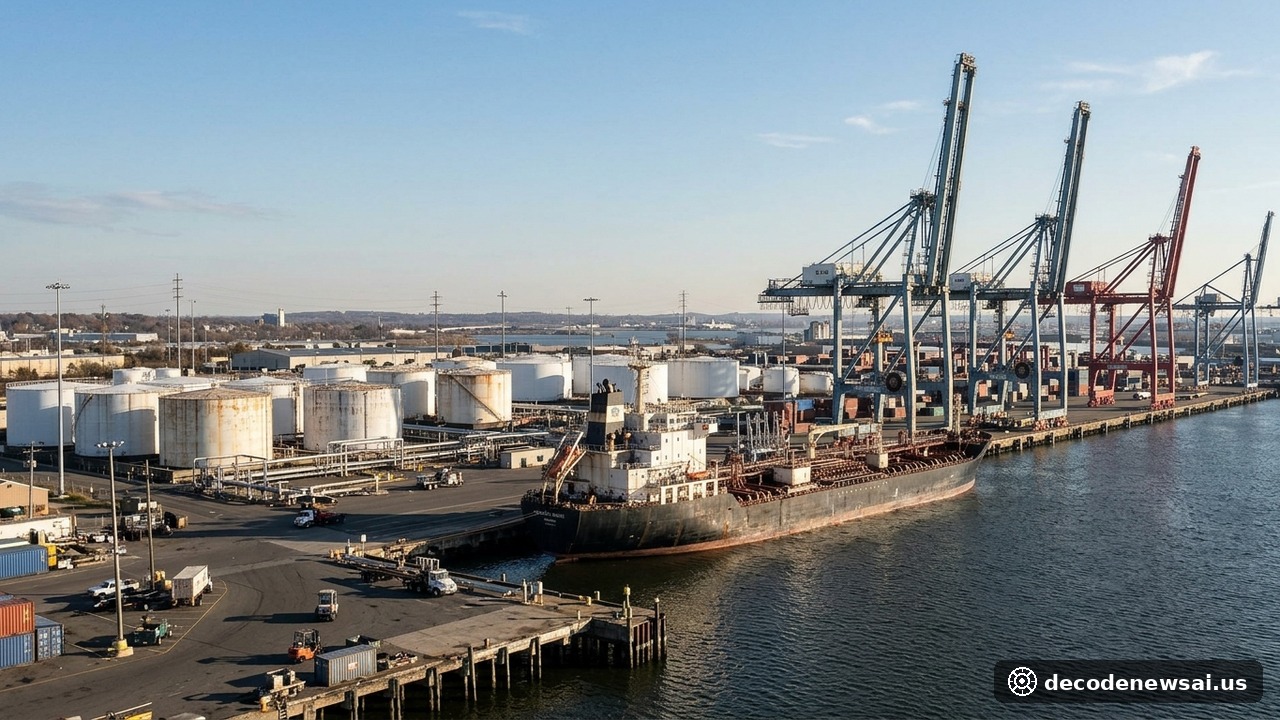
New Jersey Governor Mikie Sherrill warned port and terminal operators on November 2 not to purchase or unload Russian-origin diesel, saying businesses and individuals involved could face serious civil and criminal penalties. In a letter to operators, Sherrill said at least one tanker carrying Russian diesel might be headed for the New Jersey coast and urged facilities to turn away vessels seeking to unload the fuel. She also pledged to use available state legal and regulatory tools to prevent New Jersey’s ports and infrastructure from being used for the shipments. The warning followed an October 9 action by the U.S. Treasury Department’s Office of Foreign Assets Control, or OFAC. The agency issued Russia-related General License 135, which authorizes certain transactions involving the sale, delivery, offloading and importation of Russian-origin diesel. The license created a new legal and political dispute over how the administration’s action interacts with a federal statute passed by Congress in 2022.
The governor argues the license conflicts with federal law
Sherrill cited the Ending Importation of Russian Oil Act, enacted in April 2022 after Russia’s full-scale invasion of Ukraine. The law prohibits imports of Russian Federation energy products classified under Chapter 27 of the U.S. Harmonized Tariff Schedule, a category that includes diesel fuel. The statute also provides a process for terminating the import prohibition, involving a presidential certification to Congress and a waiting period. Sherrill argues that the president and Treasury Department cannot use a general license to bypass the statutory ban unless the conditions set out by Congress are met. Her letter says no required presidential certification has been made. The governor also argues that the Treasury action should be subject to congressional review because it significantly changes U.S. policy toward Russia. OFAC’s General License 135 is nevertheless an official federal authorization for transactions that would otherwise be prohibited under specified Russia-related sanctions regulations. It expressly covers transactions related to the sale, delivery, offloading and importation of Russian-origin diesel, including imports into the United States. The license is scheduled to expire on April 7, 2027. The existence of the license does not, by itself, resolve the separate question of whether it conflicts with the 2022 statute. That legal issue has not been settled by a court in the reporting reviewed.
Penalties cited by Sherrill have not been adjudicated
In her letter, Sherrill warned that parties involved in unlawful imports could face penalties under federal customs law, potentially equal to the value of the goods. She also cited possible criminal consequences and argued that businesses could remain exposed to enforcement long after the current administration leaves office. Those statements represent the governor’s interpretation of the applicable statutes and the risks she believes port operators face. They are not a court ruling that the shipments are illegal, nor do they establish that New Jersey has independent authority to override a federal license. The scope of state enforcement power, the legal effect of General License 135 and the interaction between the statute and the license remain matters of potential dispute.
The shipment volume and destinations remain uncertain
Reuters reported that President Donald Trump said Russia had agreed to supply more than 300,000 metric tons of diesel immediately to U.S. and global markets, equivalent to about 2.25 million barrels. Trump also described additional potential deliveries. Those figures originated in the president’s public statements and reporting about the proposed arrangement; they should not be treated as proof that all the fuel has been loaded, delivered or sold. Sherrill said Russia had dispatched multiple diesel tankers toward the United States, including at least one that might be headed for the New Jersey coast. The Philadelphia Inquirer reported that it was unclear whether any Russian fuel was actually destined for New Jersey. A vessel’s possible route or listed destination is not confirmation that it will dock, unload or complete a sale at a New Jersey terminal.
Energy prices and Russia policy are driving the dispute
The administration’s rationale for allowing Russian diesel transactions is linked to tight fuel supplies and high prices. Trump has presented additional Russian supply as a way to increase availability in U.S. and global markets. Sherrill argues that buying Russian fuel would provide revenue to Moscow and help finance its war against Ukraine. The disagreement therefore extends beyond the state’s ports to questions about presidential authority, congressional sanctions policy and the balance between energy costs and foreign-policy objectives. The next developments to watch include any clarification from Treasury about the scope of General License 135, the actual destinations of the tankers, and whether port operators or state officials take formal legal action. Until those questions are resolved, the most accurate description is that New Jersey’s governor has warned operators against accepting Russian diesel and has challenged the federal authorization on statutory grounds. The legality of the competing interpretations remains disputed.
Sources
- State of New Jersey: Governor Sherrill Puts Port and Terminal Operators on Notice Against Accepting Donald Trump’s Illegal Russian Diesel
- U.S. Treasury, OFAC: Issuance of Russia-related General License 135
- Reuters: New Jersey governor warns ports against accepting Russian diesel
- CBS News: New Jersey's governor warns ports against accepting Russian diesel
- The Philadelphia Inquirer: Mikie Sherrill warns New Jersey ports to turn away Russian fuel