Democratic Sweep Puts Trump’s $1.5 Trillion Defense Plan and Pentagon Priorities at Risk
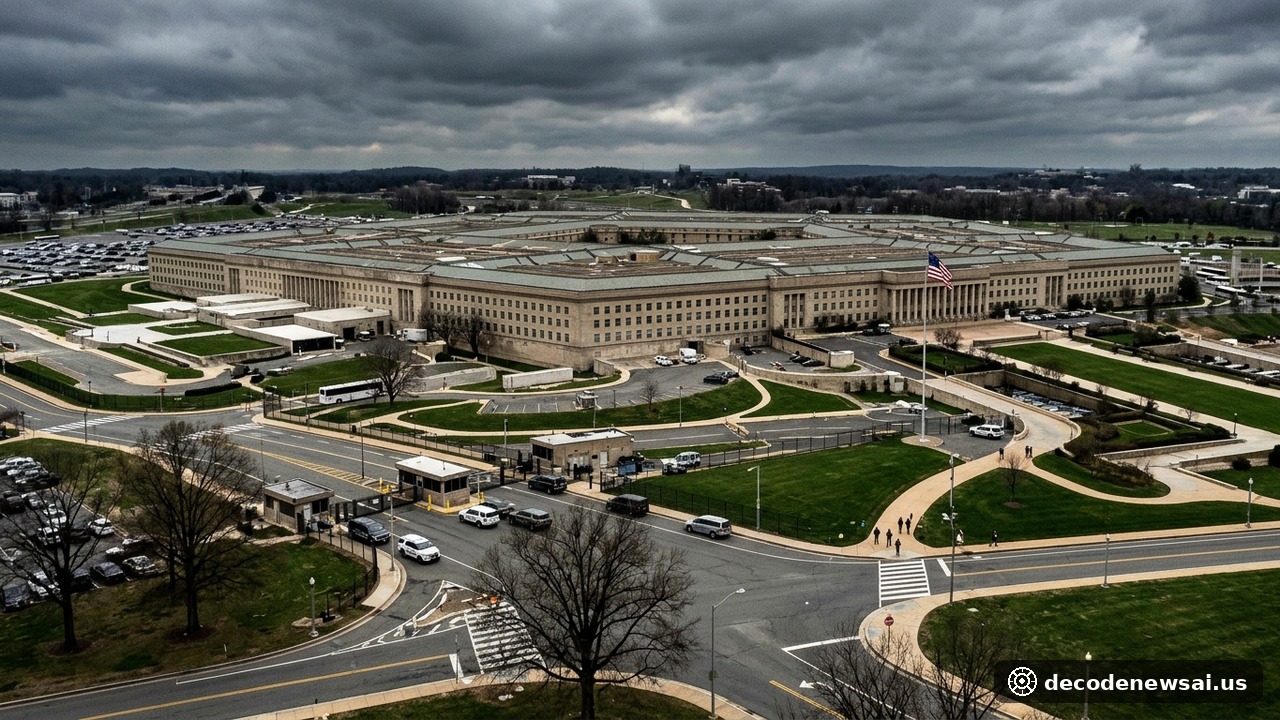
Democrats’ victory in the 2026 midterm elections has put several major Trump administration defense and national security priorities under greater political pressure. Axios reported on November 4 that the administration’s proposed $1.5 trillion defense budget for fiscal 2027 now faces a difficult path, particularly for projects that depend on a budget reconciliation package. Those include the Golden Dome missile defense initiative, the Golden Fleet shipbuilding plan and other signature programs. Defense Secretary Pete Hegseth may also face more congressional investigations and demands for accountability.
The election result does not mean that the budget or the programs have been canceled. The new Congress will not take office until January 2027, and defense programs still depend on authorization, appropriations and decisions by the executive branch. What has changed is the balance of power in Congress, making it harder for the administration to advance its legislative agenda and secure funding on its preferred terms.
The $1.5 trillion request depends on additional funding
The White House’s fiscal 2027 budget request seeks approximately $1.5 trillion in total defense resources. The budget document describes about $1.1 trillion in base discretionary budget authority and roughly $350 billion in additional mandatory resources. The administration says the additional funding would support priorities including munitions production and the defense industrial base.
Republicans had relied on budget reconciliation to move some of the administration’s signature priorities with a simple majority in the Senate, avoiding the usual 60-vote threshold for most legislation. That route is now much less likely to deliver the administration’s preferred package. In the final weeks before the new Congress convenes, lawmakers would need to reach agreement quickly. After Democrats take control, Republicans will no longer have the votes to move their own reconciliation bill without Democratic support.
Axios cited defense budget expert Todd Harrison of the American Enterprise Institute, who said he does not expect a reconciliation package to pass during the lame-duck session. He said the more likely outcome is that the defense budget continues under a temporary funding measure while Congress negotiates. Such a continuing resolution generally keeps agencies operating near existing funding levels and can restrict the launch or expansion of new programs.
Golden Dome and Golden Fleet face renewed scrutiny
The administration has made Golden Dome, a proposed layered missile defense system, one of its central national security initiatives. Its fiscal 2027 budget also highlights shipbuilding under the Golden Fleet concept, alongside investments in drones, artificial intelligence, space capabilities and the defense industrial base.
Reuters reported in April that the $1.5 trillion budget request included more than $65 billion for shipbuilding, with plans to procure 18 battle-force ships and 16 support vessels. The proposal represents a major expansion of the administration’s defense priorities, but those amounts are requests rather than money already appropriated by Congress.
A post-election note from TD Cowen’s Washington Research Group warned that projects closely associated with President Trump could be curtailed. The firm specifically cited Golden Dome and Golden Fleet among the initiatives at risk. The concern is not that every project will automatically end, but that the administration may have to scale back, delay or restructure programs if it cannot secure the additional funding it requested.
Hegseth faces oversight pressure, but Trump backs him
Democratic control of Congress is also likely to bring more hearings and investigations into the Pentagon and the broader administration. Axios reported that some lawmakers from both parties, including Democratic Rep. Pat Ryan and Republican Rep. Thomas Massie, have raised the possibility of impeaching Hegseth. No formal impeachment process has been launched.
Democratic Sen. Kirsten Gillibrand told Axios that Hegseth should be held accountable for his leadership and decisions at the Defense Department. The administration’s handling of the Iran war is another potential focus for congressional scrutiny, as lawmakers seek information about military decisions, costs and the effects on U.S. service members and national security.
President Trump, however, told reporters on November 4 that he was not considering replacing Hegseth and said the secretary was doing a very good job. The Pentagon did not respond to Axios’ request for comment. The election increases the likelihood of oversight, but it does not establish that Hegseth will be removed or that impeachment will proceed.
A new Congress changes the Pentagon’s political environment
Democrats’ control of both chambers will give them committee chairmanships, subpoena authority and greater influence over budget oversight. Nextgov/FCW reported that House Democrats plan to investigate the effects of Trump administration cuts to the Cybersecurity and Infrastructure Security Agency, including the agency’s ability to protect federal networks and help states secure elections. Other committees may examine the Pentagon, the Iran war and the administration’s use of federal resources.
Congressional oversight does not give Democrats unilateral control over defense policy. The president can veto legislation, and appropriations must still move through both chambers. The administration may also seek to use executive authority where the law allows. Reuters reported before the election that the White House had prepared for the possibility of a Democratic Congress by reviewing ways to govern through executive actions.
The confirmed development is that the administration’s $1.5 trillion defense request and several signature programs face a more difficult political path, while Hegseth is likely to face stronger scrutiny. Whether specific projects lose funding, how large the final defense budget will be and whether lawmakers pursue impeachment remain unresolved.
Sources
- Reuters: Trump White House maps path to govern without Congress if Democrats win
- Nextgov/FCW: Democrats’ midterm sweep puts CISA cuts, intelligence disputes under scrutiny
- Los Angeles Times: ‘Lawyer up’: Democrats seize Congress, plot ways to rein in Trump
- Bloomberg Law: Democrats to Use Committees as Trump Counter in Five Key Areas
- Center for Strategic and International Studies: Tracking FY 2027 Defense Appropriations, Reconciliation, and the Supplemental Request