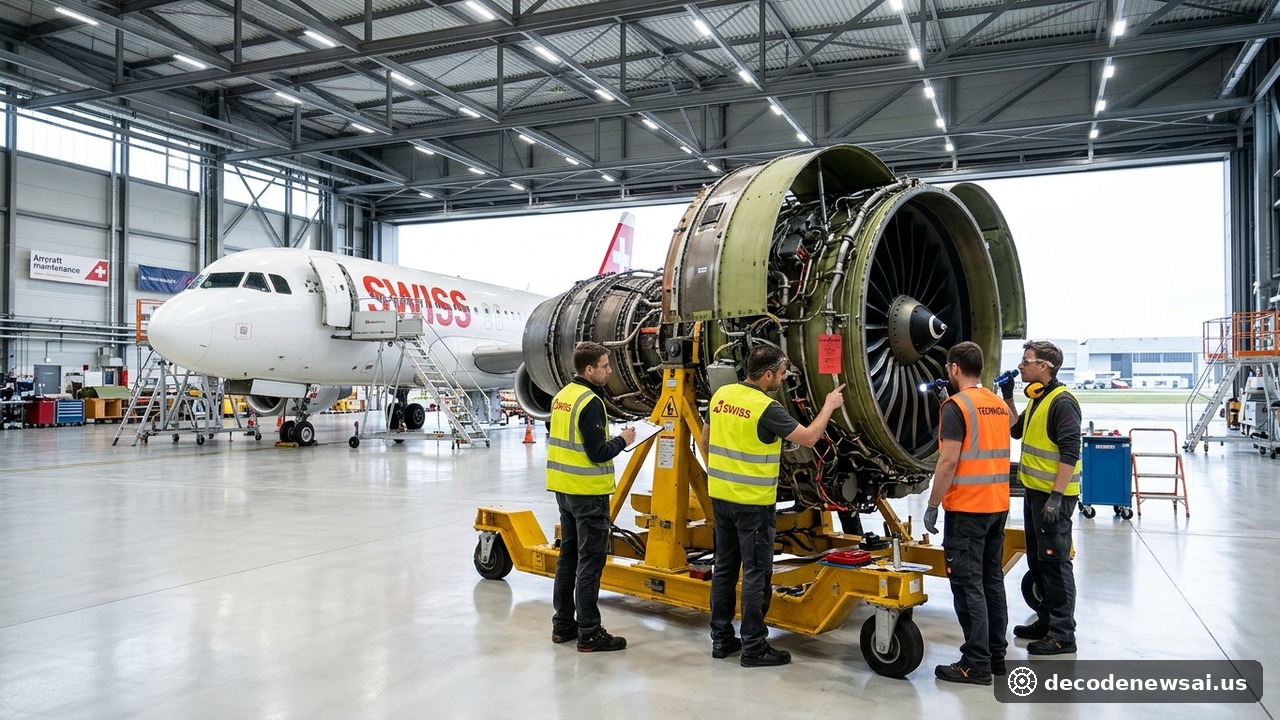
Swiss International Air Lines (SWISS), the premier carrier within the Lufthansa Group, formally initiated a structural transformation of its European regional network on November 5, 2026, announcing the complete scheduled retirement of its entire nine-aircraft Airbus A220-100 sub-fleet by the end of 2027. Chief Financial Officer Dennis Weber confirmed during the presentation of the airline's nine-month financial results that, amid chronic global maintenance bottlenecks surrounding Pratt & Whitney PW1500G geared turbofan engines, two A220-100 airframes have already been fully dismantled for parts, with their harvested powerplants integrated into SWISS's internal spare parts pool to preserve operational readiness for its 21 larger, revenue-generating A220-300s.
What Are the Key Fleet Transition and Asset Dismantling Metrics Disclosed by SWISS?
- Total A220-100 Sub-Fleet Targeted for Retirement: All 9 Aircraft (Phaseout Concluding 2027)
- Current Dismantling Status Across the Fleet: 2 Aircraft Scrapped, 3 In Active Teardown
As the global launch customer that originally introduced the Bombardier CSeries (subsequently rebranded as the Airbus A220) into commercial passenger revenue service in 2016, SWISS's decision to withdraw the -100 sub-fleet represents a watershed operational milestone. According to Weber's multi-stage divestment roadmap, three additional airframes currently undergoing decommissioning will have their PW1500G engines removed for captive fleet support, with the bare structural airframes auctioned across secondary aviation markets. The final four operational A220-100s will remain in scheduled commercial rotation through the summer 2027 flight schedule before their permanent retirement at the commencement of the winter 2027/2028 timetable.
Financial analysts noted that retaining harvested turbofan assets internally provides significant balance sheet relief. Pratt & Whitney's ongoing powdered metal manufacturing quality revisions have subjected PW1000G family engines to protracted shop-visit backlogs worldwide, with engine overhaul intervals frequently stretching across hundreds of grounded days. By securing internal engine spares, SWISS insulates its remaining A220-300 operations against groundings without incurring expensive ad-hoc engine lease expenses.
Why Did the Launch Customer Abandon the Smaller 125-Seat Regional Jet Variant?
The structural motivation behind SWISS's early withdrawal of the A220-100 centers on seat-mile economics and persistent engine maintenance overhead.
While the 125-passenger A220-100 delivers impressive short-field performance that famously unlocked operations into constrained urban airfields like London City Airport, its unit seat-mile economics trail the larger 145-seat A220-300 by a noticeable margin. In an inflationary cost environment defined by rising jet kerosene prices and elevated European air traffic control overflight tariffs, operating two distinct sub-fleets with dedicated spare parts inventories created unnecessary margin friction. Cannibalizing the smallest variant to secure propulsion spares for the high-margin -300 fleet emerged as the most fiscally prudent strategy to safeguard group margins heading into 2027.
How Will Fleet Standardization Reshape European Short-Haul Commercial Aviation?
The phaseout engineered by SWISS illustrates a wider structural trend across European full-service network carriers toward up-gauged, hyper-standardized narrowbody fleets.
The operational challenges confronting the A220-100 highlight broader structural shifts within commercial narrowbody engine architecture. Geared turbofan technology delivers remarkable double-digit fuel efficiency improvements and acoustic reduction, yet its intricate mechanical gearing and tight thermal tolerances have introduced unprecedented maintenance vulnerability under continuous short-haul duty cycles.
For network carriers like SWISS that operate high-frequency spoke connections across central Europe, grounding a regional airframe for six to nine months awaiting engine turbine replacements erodes the entire business case for regional jet operations. By consolidating short-haul flying around larger A320neo family aircraft with standardized CFM LEAP and Pratt & Whitney GTF support infrastructure, SWISS achieves superior procurement leverage and stabilizes operational schedule integrity heading into the next decade.