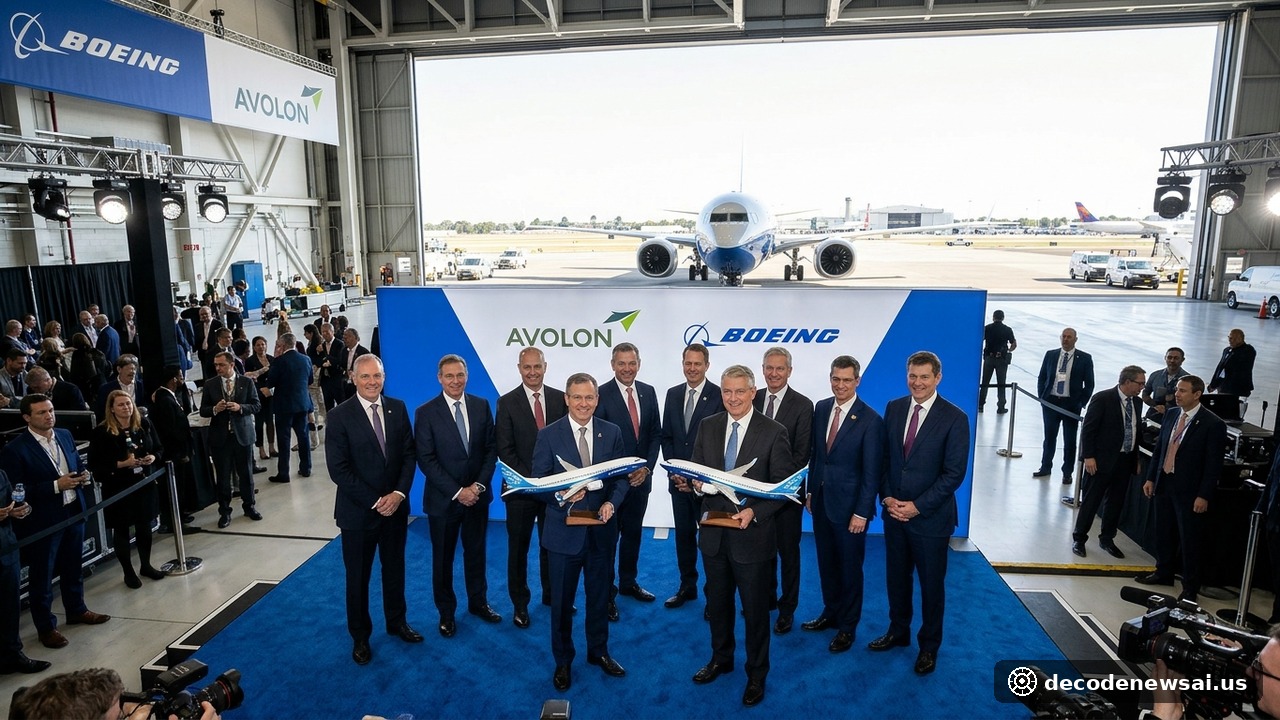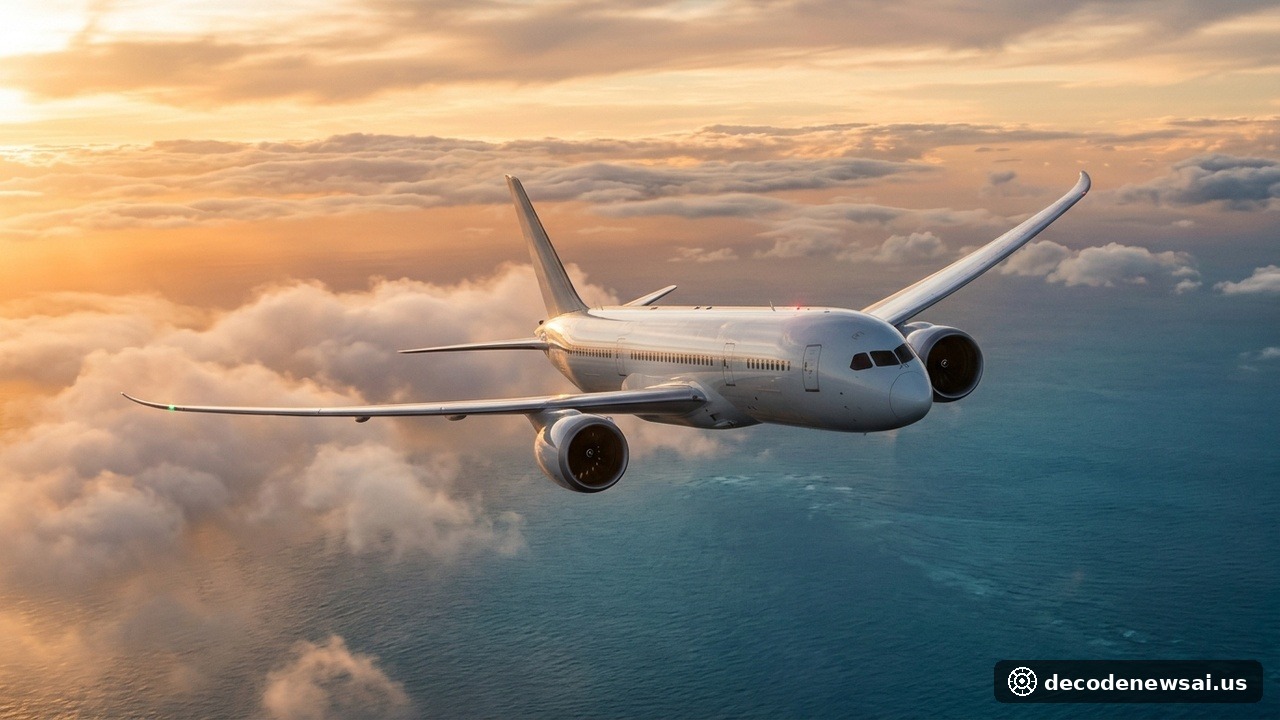
Philippine Airlines (PAL) finalized a landmark commercial agreement on November 5, 2026, in Manila with European aircraft manufacturer Airbus and British engine manufacturer Rolls-Royce plc, committing to a firm order for nine additional Airbus A350-1000 widebody jets alongside purchase rights for five more aircraft. The definitive transaction doubles the flag carrier's total fleet commitment for the ultra-long-range A350-1000 to 18 units, all exclusively equipped with Rolls-Royce Trent XWB-97 turbofan powerplants to anchor nonstop transpacific connectivity linking Manila with principal North American gateways.
What Are the Key Fleet Numbers and Technical Commitments in PAL's Airbus Expansion?
- Firm Additional Aircraft Ordered: 9 Airbus A350-1000s (Plus 5 Purchase Rights)
- Current Operational Fleet Inventory: 86 Active Aircraft (65 Built by Airbus)
Benoît de Saint-Exupéry, executive vice president of commercial sales at Airbus, noted that the extended-range capabilities of the A350-1000 make it the ideal platform for competitive nonstop routes from Manila to Los Angeles, San Francisco, and Vancouver. The aircraft cabin is engineered with lower cabin altitude pressurization, enhanced ambient humidity, and active acoustic dampening, directly addressing traveler fatigue across grueling 15-hour polar flight tracks.
The expanded fleet will feature a bespoke three-class interior configuration featuring fully enclosed business class suites, dedicated premium economy sections, and wider economy seating equipped with high-definition wireless in-flight entertainment screens. The customized layout is tailored to capture surging demand from transpacific business executives and affluent leisure travelers seeking premium nonstop convenience.
Why Did PAL Structure Long-Term Comprehensive Maintenance Terms With Rolls-Royce?
Long-haul transpacific flight corridors remain among the most competitive and operationally demanding air routes globally. To protect flight schedule predictability and avoid unscheduled maintenance groundings, PAL paired its aircraft acquisition with Rolls-Royce's comprehensive TotalCare service program.
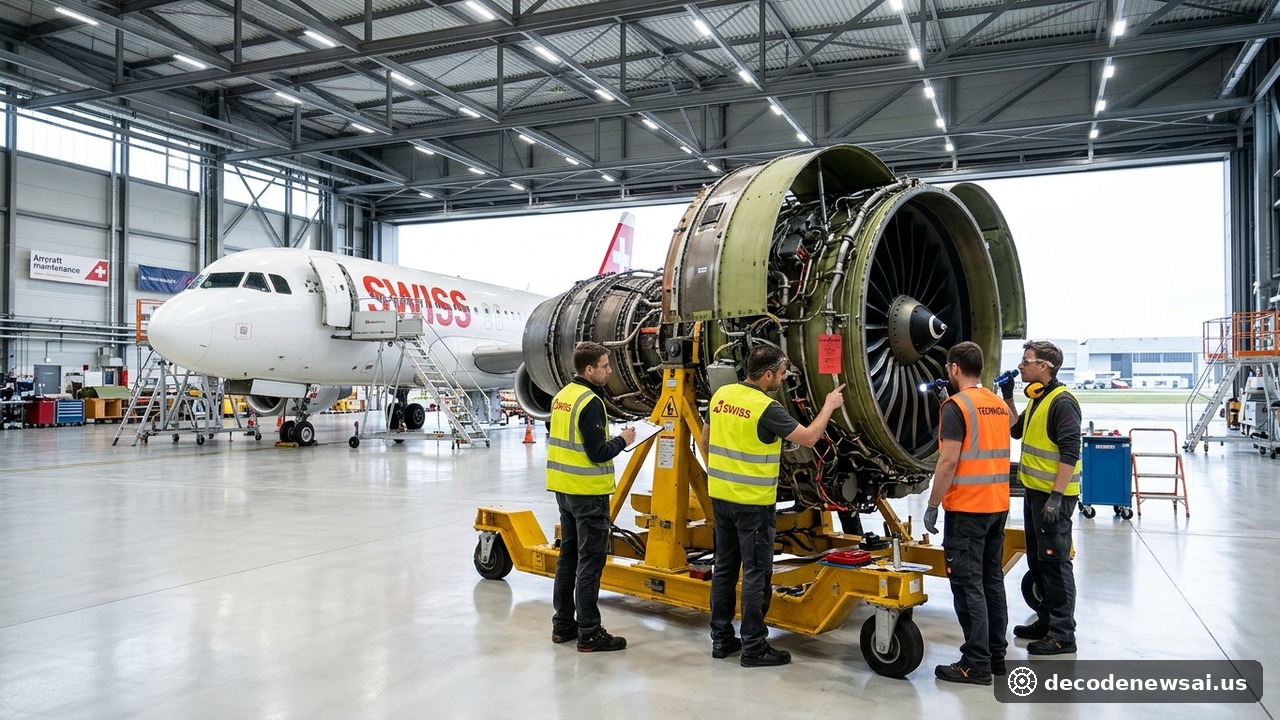
Under the engine support framework, Rolls-Royce assumes financial and technical responsibility for the ongoing maintenance and overhaul of the high-thrust Trent XWB-97 powerplants. Digital engine health monitoring systems embedded within the nacelles transmit continuous operational telemetry to Rolls-Royce engineering hubs in the United Kingdom, allowing predictive servicing and minimizing unexpected operational interruptions across Southeast Asian dispatch operations.
Ewen McDonald, chief customer officer at Rolls-Royce, highlighted that the TotalCare partnership provides PAL with guaranteed engine availability and fixed hourly operating costs. In an era marked by aerospace supply chain volatility and prolonged shop-visit queues, fixed-rate maintenance protection shields the carrier against unpredictable cost escalations while safeguarding transpacific dispatch reliability.
How Will Fleet Expansion Reshape Transpacific Aviation Routes and Airline Competition?
The acquisition solidifies Philippine Airlines' status as the first and currently only airline in Southeast Asia operating the A350-1000 on commercial routes. As construction advances on the replacement New Manila International Airport in Bulacan, PAL is aggressively positioning its hub network to capture high-yield connecting traffic moving between Australasia, East Asia, and the American mainland.
Supported by resilient premium passenger traffic and substantial overseas Filipino remittances, the flag carrier's fleet modernization signals structural financial confidence despite broader macroeconomic headwinds. By securing production slots into the mid-2030s, PAL has effectively insulated its operational expansion against chronic aerospace manufacturing delivery backlogs, ensuring long-term fleet continuity as legacy widebody airframes approach mandatory international retirement cycles.
Aviation financial consultants emphasize that modern widebody aircraft acquisitions of this scale serve as critical balance-sheet anchors during periods of global currency fluctuation. The A350-1000's proven payload-range profile permits PAL to maximize cargo belly freight revenues alongside passenger yields, transporting high-value electronic components and perishables across the Pacific rim without requiring costly intermediate technical fuel stops. The fleet expansion effectively positions the carrier to compete directly with legacy Asian mega-carriers across the entire transpacific basin.