What Are the Core Operational Metrics and Capital Parameters in the $5B Shipyard Expansion?
- Total Multi-Year Infrastructure Investment Capital: $5.0 Billion USD (Supported by Hanwha Group Industrial Allocation)
- Targeted Annual Vessel Delivery Output at Full Scale: Expanding from 1.5 Vessels to up to 20 Vessels Annually
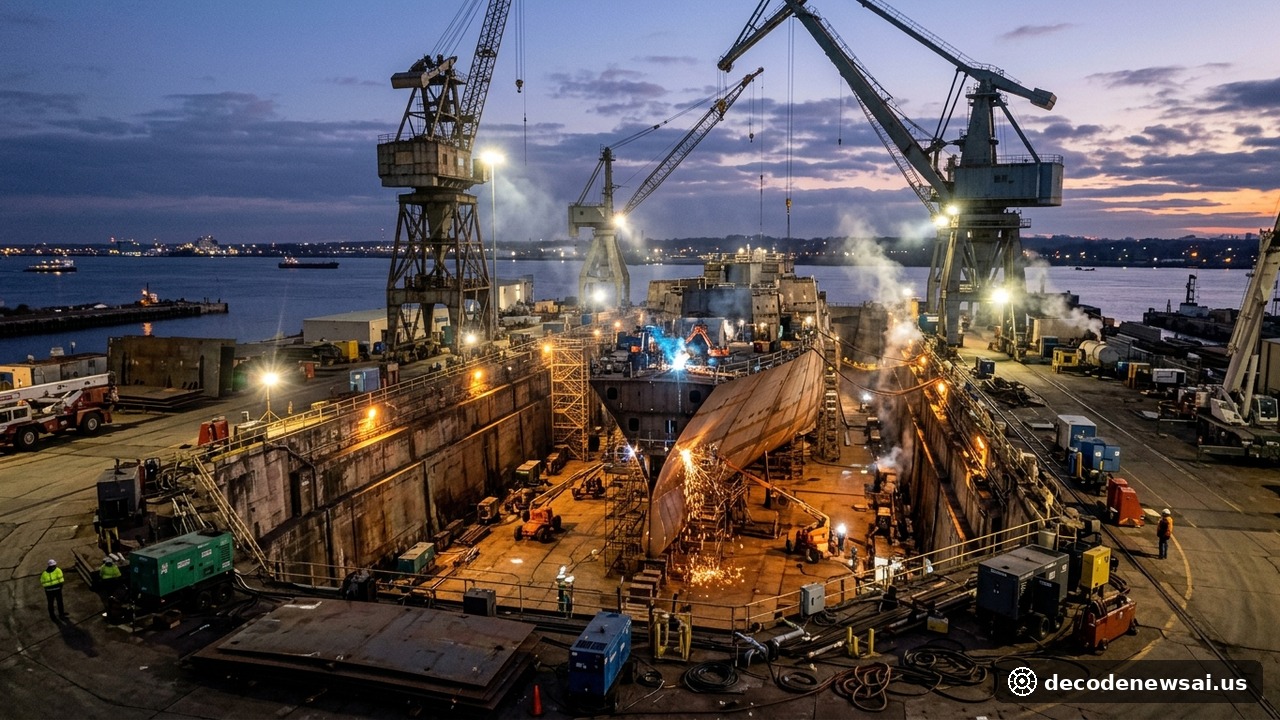
- Heavy Drydock and Berth Infrastructure Additions: 2 Massive Dry Docks, 3 Piers, and New Block Fabrication Facility
Dong Kwan Kim, Vice Chairman of Hanwha Group, articulated the strategic imperative underpinning the shipyard modernization during an executive press conference in Philadelphia: "The United States faces an acute shipbuilding capacity crisis characterized by aging infrastructure, critical naval maintenance backlogs, and a severe shortage of skilled industrial labor. South Korea possesses the world's most sophisticated modular shipbuilding techniques and automated manufacturing systems. By committing $5 billion over five years to transform Philly Shipyard, Hanwha is investing to rebuild America's industrial shipyard capacity, creating thousands of high-wage advanced manufacturing jobs while supporting the U.S. Navy's long-term maritime fleet readiness."
How Does Transferring Geoje Smart Yard Robotics and Digital ERP Modernize Ship Construction?
Historically, American shipyards have struggled with high production costs, manual fabrication bottlenecks, and fragmented legacy enterprise resource management platforms that contributed to multi-year program delivery delays.
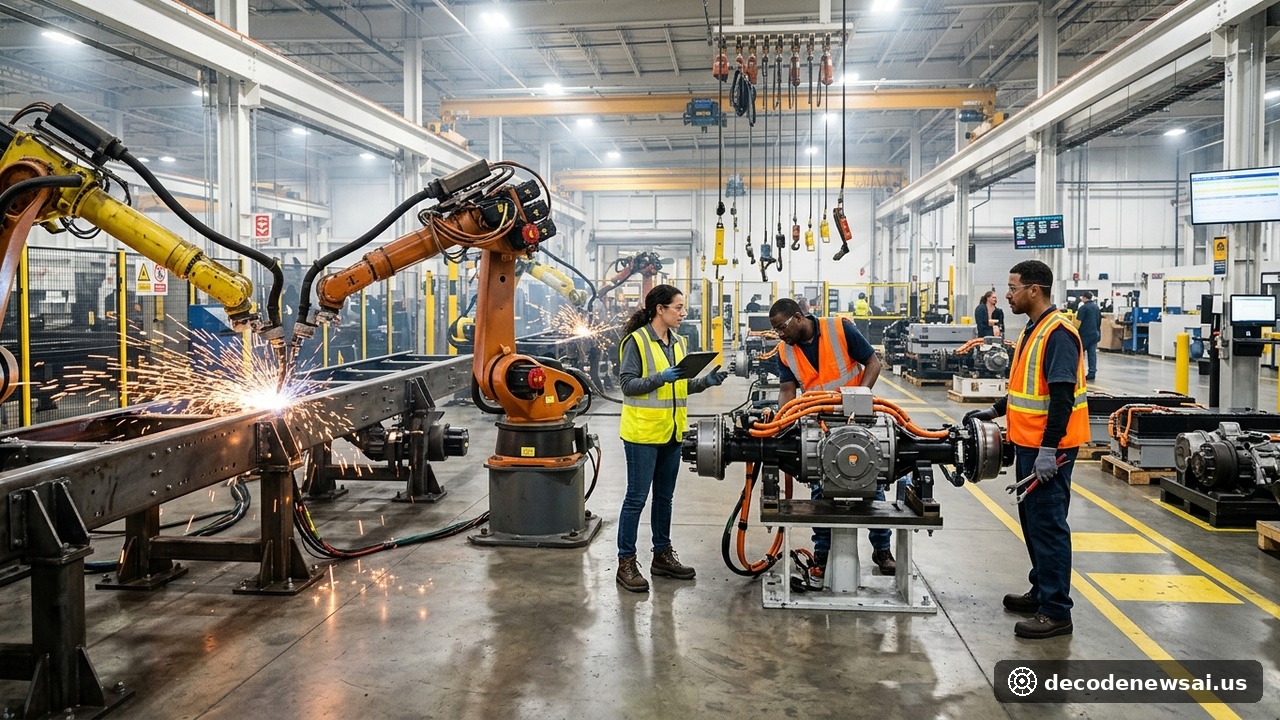
Hanwha Philly Shipyard is actively rectifying these structural vulnerabilities through systemic technology transfer. The yard's newly developed enterprise resource planning (ERP) and production management suite—developed beginning in late 2024 and reaching full commercial deployment in November 2026—more than triples the facility's baseline level of digital integration. Furthermore, field-proven robotic welding gantries and standardized block assembly methods from Hanwha Ocean's Geoje shipyard have been introduced into Philadelphia fabrication bays, automating the precision joining of complex naval hull sections. This synchronized smart yard platform compresses material staging cycles by nearly 40 percent, fundamentally curbing program budget overruns.
Naval architecture experts pointed out that the Medium Landing Ship program represents a critical operational requirement for the U.S. Marine Corps' Expeditionary Advanced Base Operations (EABO) doctrine in the Western Pacific. By constructing shallow-draft vessels capable of beaching directly on austere littoral coastlines, the shipyard provides tactical mobility assets essential for maneuvering missile batteries and reconnaissance units across distributed island chains.
Furthermore, the introduction of automated block-transport vehicles and digital optical quality inspection at the Philadelphia facility ensures that naval hulls are fabricated with sub-millimeter precision, drastically reducing structural rework and post-delivery drydock maintenance.
What Strategic Repercussions Does Allied Industrial Investment Bring to Indo-Pacific Defense Readiness?
Hanwha's transformation of Philly Shipyard into a 20-vessel-per-year production hub demonstrates a paradigm shift where international defense industrial base (DIB) integration strengthens American sovereign sea power.
As geopolitical tensions in the Indo-Pacific expand naval demand for amphibious warfare vessels, replenishment tankers, and surface combatants, Pentagon defense planners require resilient commercial shipyards capable of executing dual-use commercial and naval manufacturing. Hanwha's hybrid model—pairing foreign capital investment with local American union labor and automated manufacturing—provides a scalable blueprint for revitalizing domestic heavy industry. As bilateral discussions explore potential future co-production frameworks for conventionally powered submarines and advanced naval frigates, the revitalization of Philadelphia's historic drydocks establishes a benchmark in allied maritime defense manufacturing.