- Primary Statutory Objective: Repeal executive tariffs imposed on Canadian goods;Targets duties on automotive components, steel, and timber
- Congressional Leadership Bloc: House Ways and Means and Senate Finance Democrats;Reasserts constitutional congressional authority over commerce
- Ottawa Diplomatic Stance: Prime Minister Mark Carney welcomes repeal efforts;Confirms bilateral bilateral talks yielded substantive progress
Carney welcomes repeal as bilateral talks progress
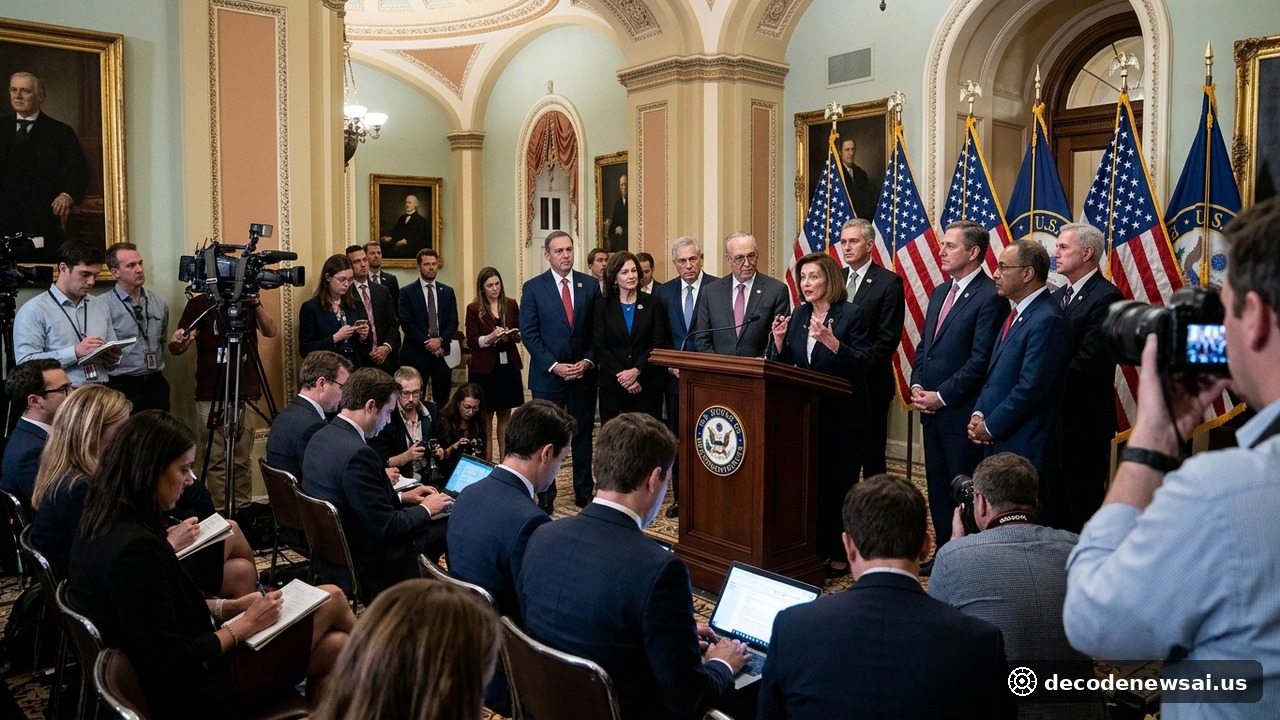
Following decisive electoral shifts in the 2026 United States midterm elections, congressional Democrats are mobilizing to dismantle the Trump administration’s contentious trade tariffs against Canada as their first legislative priority. Senior leadership in the House of Representatives and the Senate are drafting joint resolutions under the Congressional Review Act alongside targeted trade statutes designed to reclaim Congress’s constitutional authority over foreign commerce and nullify emergency economic declarations that justified duties on key Canadian imports.
The legislative strategy has been formulated under the guidance of leading Democrats on the House Committee on Ways and Means and the Senate Committee on Finance. Lawmakers argue that executive duties applied under the International Emergency Economic Powers Act (IEEPA) have destabilized highly integrated automotive, steel, and agricultural supply chains across the northern border. Congressional sponsors emphasize that these cross-border tariffs have functioned as an indirect domestic sales tax, inflating production costs for American industrial enterprises throughout the Great Lakes manufacturing corridor and exacerbating consumer price inflation.
In Ottawa, Canadian Prime Minister Mark Carney publicly welcomed the congressional push to eliminate the tariffs. Addressing reporters, Carney revealed that Canadian trade envoys and senior White House negotiators recently concluded an intensive round of constructive bilateral discussions, achieving meaningful preliminary progress on a comprehensive framework pact that respects Canadian sovereignty while stabilizing critical North American trade corridors. Carney noted that resolving cross-border tariff friction remains the paramount foreign economic priority for the Canadian government.
Trump resists tariff rollback and warns of 300 percent
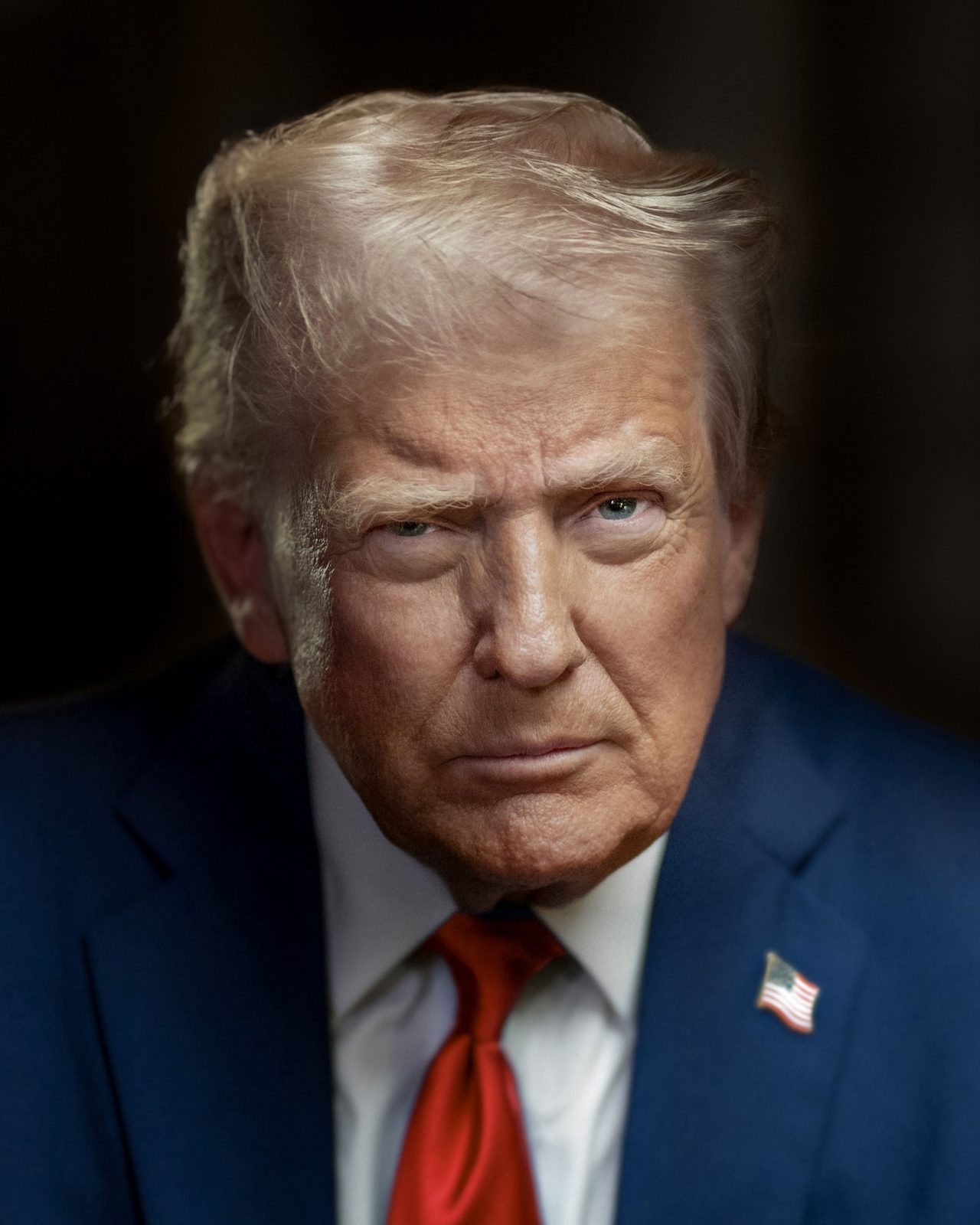
The executive branch, however, has signaled fierce resistance to congressional encroachment upon presidential trade policy. Speaking from the White House, President Donald Trump rejected calls for unilateral tariff rollbacks, asserting that aggressive import barriers remain indispensable leverage to force foreign manufacturers into reshoring production facilities to the United States. Trump warned that his administration is actively considering statutory tariffs as high as 300 percent against multinational corporations that resist domestic capital investment directives.
International trade attorneys and constitutional scholars observed that the Democratic-led initiative represents a pivotal test of separation-of-powers doctrine in modern economic governance. With several moderate Republicans representing border states expressing profound private reservations regarding sustained trade frictions with Canada, the repeal legislation could potentially secure sufficient bipartisan backing to challenge executive veto authority, signaling a profound recalibration of transatlantic and continental trade relations heading into the 120th Congress.
Trade economists emphasize that the legislative push aligns with expanding corporate litigation challenging the expansive invocation of national emergency powers for routine trade protectionism. By coordinating legislative pressure with ongoing administrative appeals, lawmakers aim to restore structural predictability for cross-border logistics networks that handle billions of dollars in daily trade between the United States and Canada.
Tariff rollback bill aims to protect daily bilateral commerce
Furthermore, supply chain policy researchers noted that the proposed tariff rollback legislation reflects growing corporate resistance to disruptive unilateral trade measures within North American industrial corridors. By mobilizing early in the post-election transition period, congressional leaders aim to provide clear statutory certainty for cross-border logistics networks that handle over three billion dollars in daily bilateral commerce. The legislative confrontation highlights how deeply integrated modern automotive and energy supply chains have become, demonstrating that unilateral trade barriers inevitably impose severe domestic economic penalties on domestic consumers and manufacturers alike.