Former President Donald Trump publicly demanded on Saturday that the federal Department of Justice open criminal inquiries into congressional Democratic leaders. He alleged systemic procedural irregularities in recently concluded midterm voting. Senior Democratic lawmakers condemned the statements at once. They pledged to use congressional subpoena powers to probe potential executive misconduct.
The confrontation escalates before the next Congress convenes. Democrats will command the House majority after substantial midterm electoral victories. The clash sets up intense inter-branch conflict.
Trump Publicly Demands Federal Law Enforcement Inquiries
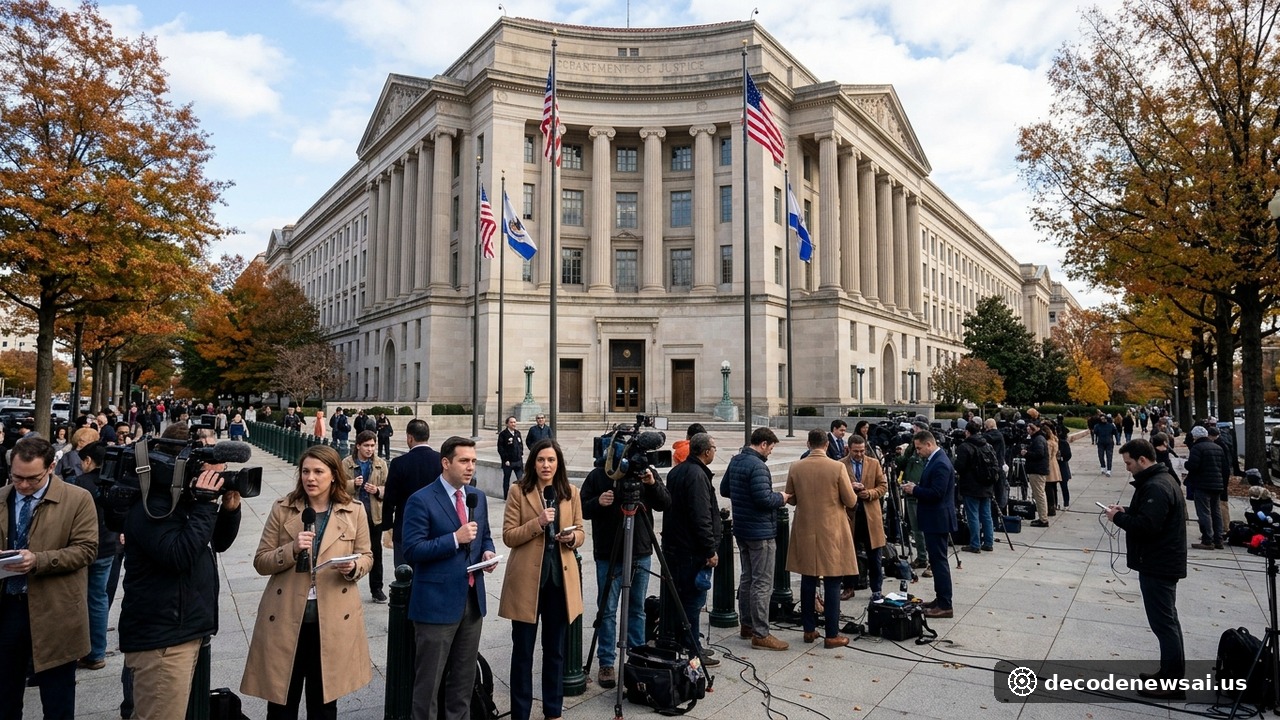
The partisan clash broadened significantly on Saturday, November 7, 2026. Trump alleged that Democratic organizations orchestrated illicit electoral practices across pivotal competitive jurisdictions. He spoke in public statements and media appearances after key congressional districts were certified. He called on federal prosecutors to seize local audit data and secure election documentation.
Legal scholars and constitutional analysts noted that public appeals for law enforcement action against sitting political adversaries challenge historical conventions. Those conventions separate presidential influence from federal prosecutorial independence. The Department of Justice declined to offer formal comment regarding the former president's specific statements. Federal career prosecutors emphasized that existing departmental protocols rigorously insulate investigative determinations from political directives.
The political friction coincides with a fundamental realignment of congressional power balances. Democrats have secured a working majority in the House of Representatives. They are preparing to install new committee leadership. Those leaders could initiate aggressive investigative oversight into executive policies, judicial appointments, and regulatory administrative shifts enacted across federal departments.
House Democratic Leadership Pledges Counter-Investigations
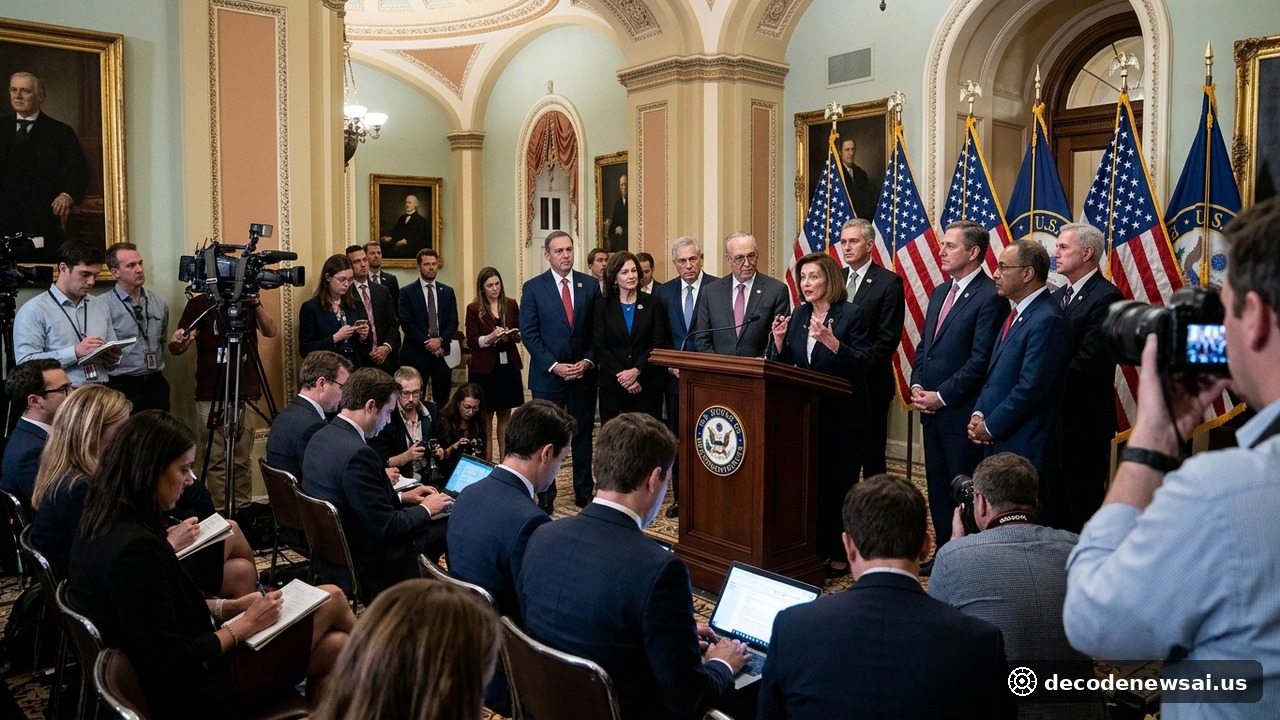
Democratic leaders gathered at the United States Capitol to deliver a unified rebuttal against allegations of systemic voting improprieties. Incoming leadership figures categorized the claims as an effort to delegitimize the certified electoral outcome. During a Saturday press briefing, a senior Democratic House official declared, "We will utilize the full constitutional authority of congressional oversight and statutory subpoena powers to examine executive abuses and protect institutional integrity."
Incoming committee chairs indicated that oversight panels will focus extensive attention on ethics compliance and administrative decisions made during prior tenure periods. Democratic representatives stated that inquiries will examine federal procurement contracts, national security advisory structures, and interactions between political appointees and career regulatory personnel.
House staff directorates are actively drafting procedural oversight roadmaps to guide committee activities upon the formal opening of the legislative term in January. Preparations include coordinating documentary discovery requests and reviewing federal agency regulatory disclosures. They also include structuring specialized investigative subcommittees. Those subcommittees are tasked with monitoring administrative rulemakings and government ethics filings.
Partisan Polarization Shapes Divided Government Realities
Political analysts suggest the intensifying recriminations between both parties will narrow opportunities for bipartisan legislative coordination during the upcoming congressional lame-duck session. Critical statutory matters face protracted procedural gridlock as partisan positions harden. Those matters include federal appropriations renewals, debt ceiling negotiations, and defense authorization measures.
State election administrators across multiple jurisdictions reiterated that certified election results reflect verified, bipartisan ballot auditing procedures. Bipartisan state boards of elections confirmed that tabulations were monitored by accredited citizen observers. They reported zero evidence of widespread administrative fraud. Election directors affirmed that domestic voting systems maintained comprehensive chain-of-custody protocols throughout all counting cycles.
The institutional confrontation highlights the entrenched polarization defining Washington's operational environment. Congressional committees are preparing to exercise subpoena authorities. Political figures are pressing for executive legal interventions. The governance landscape reflects the complex dynamics of divided governance. Those dynamics will govern federal policy trajectories over the coming biennium.
Both congressional parties recognize that the political stakes surrounding judicial accountability extend beyond individual lawmakers. Legal scholars underscore that institutional norms governing executive-legislative oversight face pivotal structural tests. Those tests take effect as divided governance takes hold in Washington.