What Core Economic Benchmarks Define the 2026 Holiday Retail Season?
- Total Core Winter Holiday Retail Sales: $1.013 trillion (first trillion-dollar season);Expands +4.2% year-over-year over 2025
- Non-Store & E-Commerce Digital Sales: $257.8 billion in total digital volume;Advances +8.0% year-over-year
- Seasonal Logistics Hiring Cohort: 400,000 to 500,000 seasonal workers;Automated fulfillment limits extra labor
Why Did Total Holiday Expenditure Eclipse $1 Trillion Despite High Interest Rates?
In formal presentations accompanying the release, NRF economic research directors noted that despite sustained elevated borrowing costs on revolving credit lines, household balance sheets exhibit remarkable spending resilience.
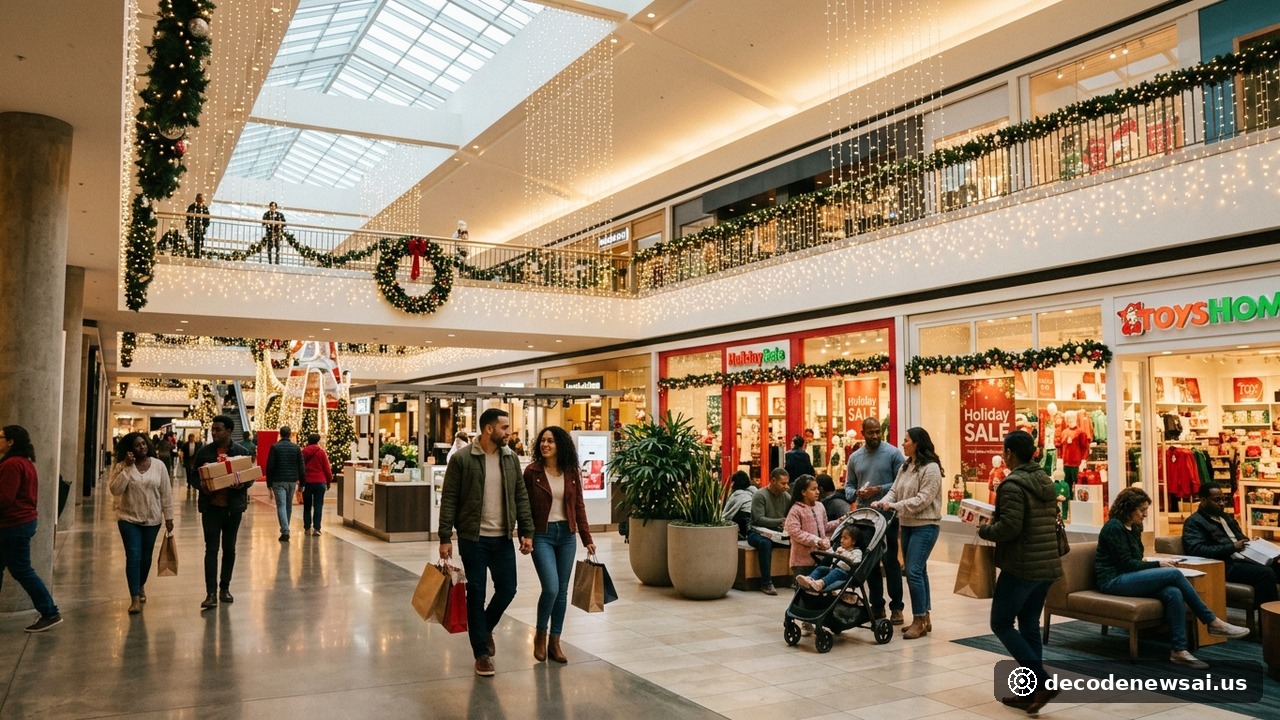
The fundamental anchor underpinning the $1.013 trillion consumer total is sustained wage growth exceeding headline inflation, which has restored real disposable purchasing power across middle-income demographics. While discretionary luxury purchases have normalized, essential festive traditions—including intergenerational family gatherings, celebratory culinary provisions, and core gift exchanges—command deep consumer loyalty. National department stores and hypermarket operators adapted by extending value-tier private-label merchandise lines, preserving transaction velocity.
How Are Generative Shopping Agents and BNPL Financing Driving 8% E-Commerce Growth?
Diverging from single-digit gains in traditional brick-and-mortar foot traffic, digital interactive commerce continues its structural expansion, approaching $258 billion in aggregate gross merchandise value.
Tier-one platforms including Amazon and Walmart integrated conversational artificial intelligence discovery engines throughout their consumer apps. These agentic models analyze user browsing histories, relational preferences, and targeted budget thresholds, generating bespoke gift bundles that lifted checkout conversion rates by approximately 15%. Simultaneously, frictionless BNPL checkout integrations provided consumers with structured installment pathways, allowing households to distribute holiday outlays across fixed interest-free intervals rather than carrying high-interest compounding credit card debt.
What Logistics Realities Emerge as 56% of Shoppers Front-Load Purchases?
The defining logistical transformation of the 2026 holiday cycle is calendar elongation. Over 56% of surveyed consumers indicated that economic anxiety and promotional transparency prompted them to initiate holiday transactions as early as mid-October.
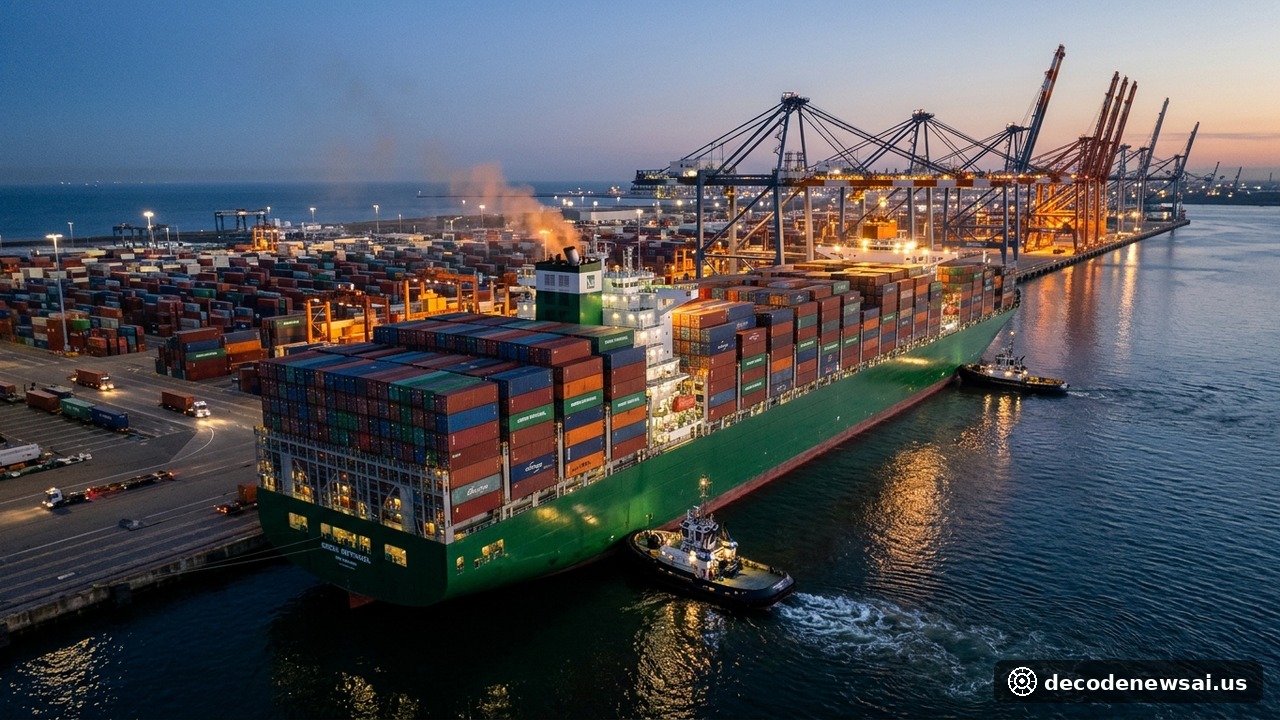
This multi-week promotional baseline flattens the historic post-Thanksgiving Cyber Week shipping surge. Rather than absorbing overwhelming freight bottlenecks over five concentrated days, national parcel carriers and regional fulfillment hubs are operating across balanced operational curves. Automated robotic sortation centers maintain optimal packing density and reduce trailer idling, insulating enterprise supply chains from acute labor shortages and emergency freight surcharges.
How Are Retailers Optimizing Reverse Logistics and Inventory Velocity?
With e-commerce holiday volume projected to exceed $257 billion, major retailers are deploying automated reverse logistics frameworks to manage seasonal returns. Department stores and digital platforms are integrating return drop-off networks with regional fulfillment hubs, allowing returned merchandise to be rapidly inspected, restocked, and re-listed within 48 hours.
Supply chain economists note that efficient inventory velocity preserves operating profit margins during extended promotional cycles. By utilizing predictive analytics to route inventory directly to high-demand geographic regions, retail operators avoid excess clearance markdowns, sustaining healthy cash flow margins throughout the post-holiday clearance period.