The Office of the United States Trade Representative (USTR) formally issued its landmark Section 301 determination report on global supply chain labor practices and customs administrative compliance on November 6, 2026. Following an exhaustive multi-month statutory inquiry authorized under Section 301 of the Trade Act of 1974, United States Trade Representative Katherine Tai signed an administrative finding confirming that persistent, systemic forced labor practices and state-sponsored wage subsidies in 60 trading jurisdictions place an unfair burden on United States commerce. In response, USTR submitted a comprehensive tariff remedy schedule to the White House recommending additional ad valorem import duties of 10% to 12.5% on hundreds of critical product categories, including advanced consumer electronics components, raw textiles, and refined clean energy minerals. This major administrative action signals that the United States is institutionalizing mandatory human rights and labor compliance as a binding condition for commercial market access.
Key Regulatory and Tariff Indicators Under USTR Section 301 Action
- Major Impacted Commercial Sectors: Electronics Components, Solar Wafers, Textiles
What Did the Section 301 Investigative Report Reveal Regarding Supply Chains?
Spanning 380 pages of granular administrative findings, the USTR investigative dossier incorporates forensic customs tracking, transshipment billing records, and satellite labor monitoring across primary processing facilities in 60 jurisdictions. The report documents systematic patterns of compulsory state-directed labor, restrictions on collective bargaining, and involuntary worker transfers in labor-intensive export hubs, specifically targeting polysilicon refinement, cotton spinning, and lithium-ion battery precursor chemical production.
USTR investigators concluded that foreign governments have reinforced these practices by providing subsidized industrial utilities, zero-interest state financing, and local tax rebates to non-compliant export manufacturing facilities. This structural intervention artificially suppresses the free-on-board (FOB) export pricing of targeted industrial goods, creating an asymmetrical cost advantage that undermines domestic American manufacturing enterprises and law-abiding international producers adhering to recognized international labor conventions. Under statutory standards, these acts, policies, and practices were found to be discriminatory and actionable under Section 301.
How Will Proposed Tariffs of 10% to 12.5% Reshape Global Trade Flows?
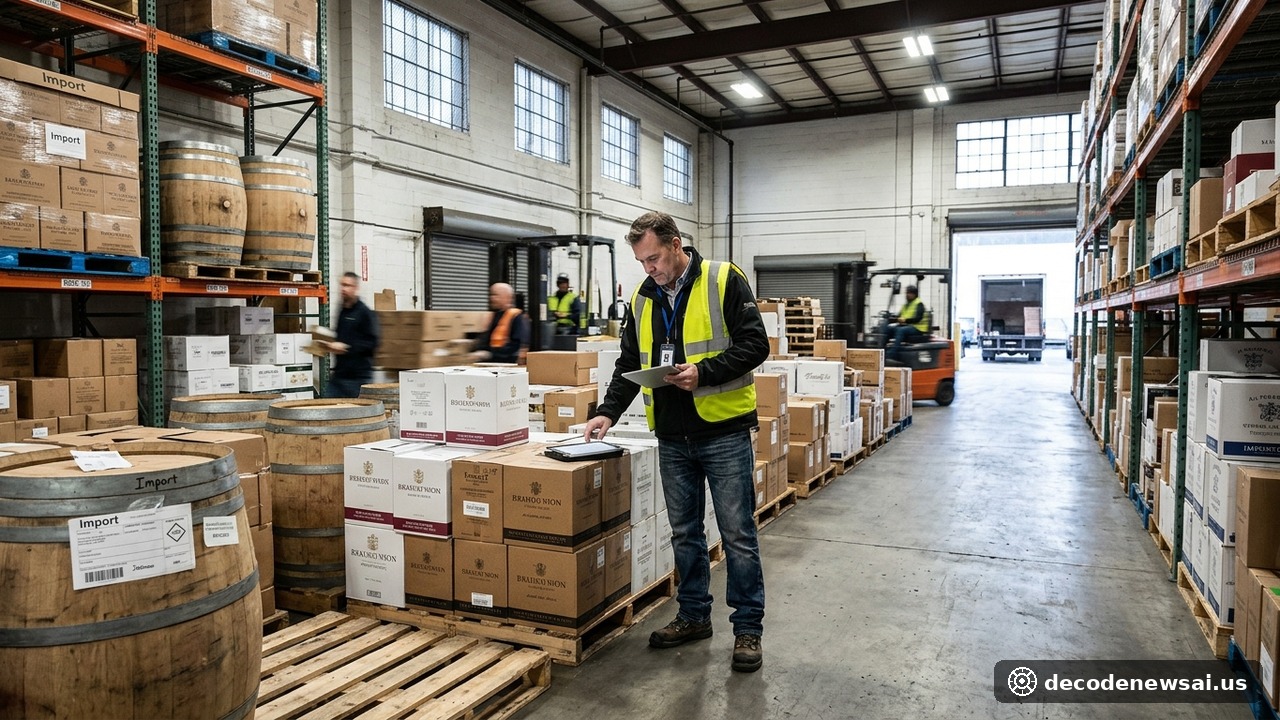
The proposed remedy tariff schedule covers more than 1,400 discrete tariff lines representing roughly 185 billion dollars in annual imports. USTR outlined a tiered tariff implementation structure: jurisdictions demonstrating zero operational compliance or refusing on-site labor verification will face the upper-tier 12.5% punitive duty, while economies agreeing to binding independent supply chain tracing will qualify for the lower 10.0% reciprocal rate.
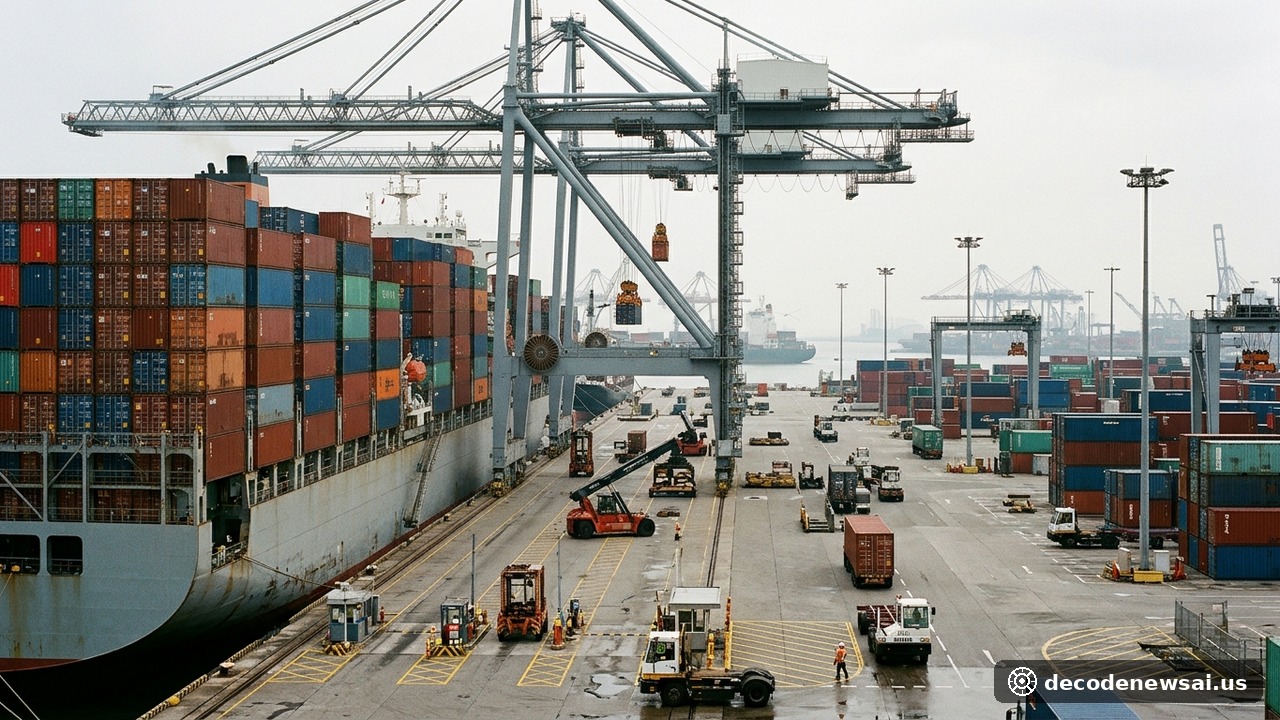
The proposal has drawn heightened scrutiny from multinational trade associations and consumer goods conglomerates. The National Retail Federation (NRF) warned that imposing supplemental duties across such a wide spectrum of intermediate goods could increase domestic consumer inflation by 0.3 to 0.4 percentage points, particularly across retail apparel, footwear, and consumer computing electronics. However, trade compliance analysts emphasize that the policy will accelerate the structural realignment of trans-Pacific supply chains, directing manufacturing capital toward compliant manufacturing hubs in Southeast Asia, Latin America, and allied partner economies possessing rigorous labor certification mechanisms.
What Are the Next Steps Following the Midterm Elections?
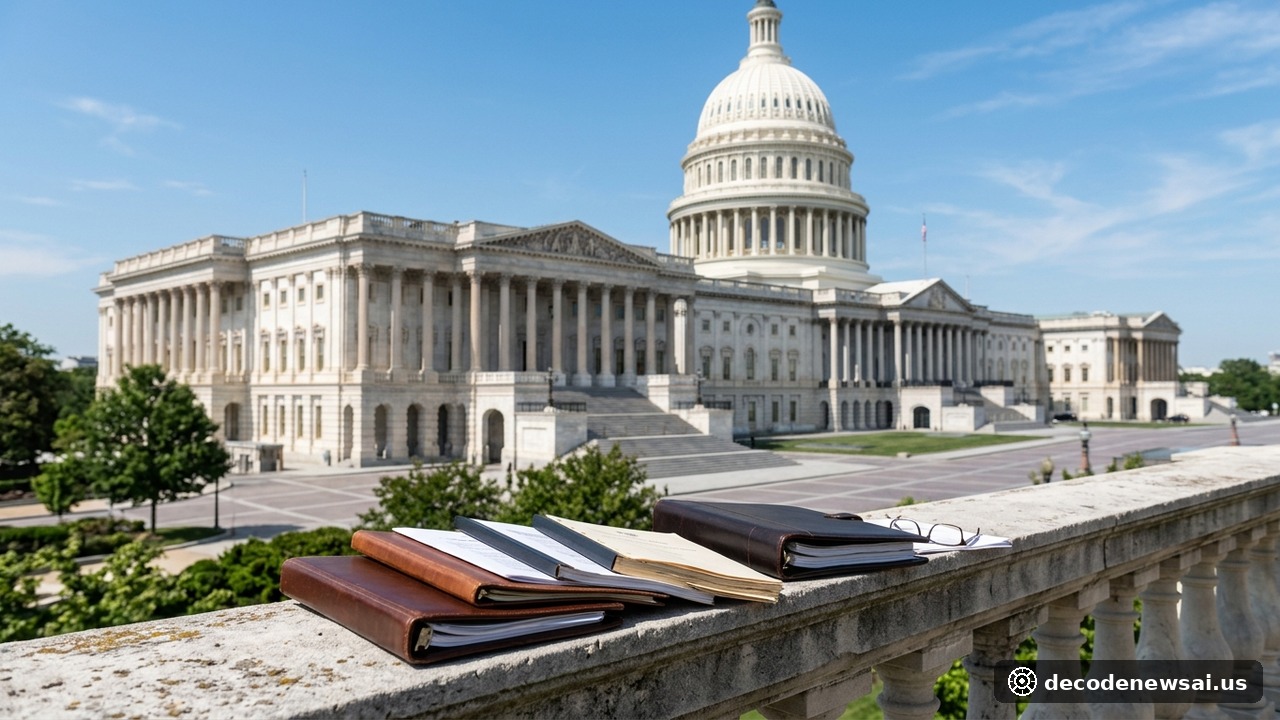
With the conclusion of the 2026 congressional midterm elections, bipartisan consensus across Capitol Hill strongly favors rigorous trade enforcement and defense of domestic industrial employment. Key leadership on the House Ways and Means Committee and the Senate Finance Committee released a joint statement commending the administration's aggressive enforcement stance, while urging expedited public hearings following the 45-day statutory public comment window.
Foreign diplomatic delegations, including representatives from the European Union, Japan, and regional trade blocs, have initiated bilateral consultations with USTR to explore exclusion mechanisms and multilateral certification protocols under International Labour Organization (ILO) standards. USTR general counsel underscored that the tariff schedule is designed primarily as an enforcement mechanism to eliminate exploitative labor practices from international commerce rather than a permanent protectionist barrier. The forthcoming public hearing cycle will serve as the primary forum for determining final product exclusions before tariffs take effect in early 2027.