Organizational Architecture and Regulatory Mandate of the White House SI Force
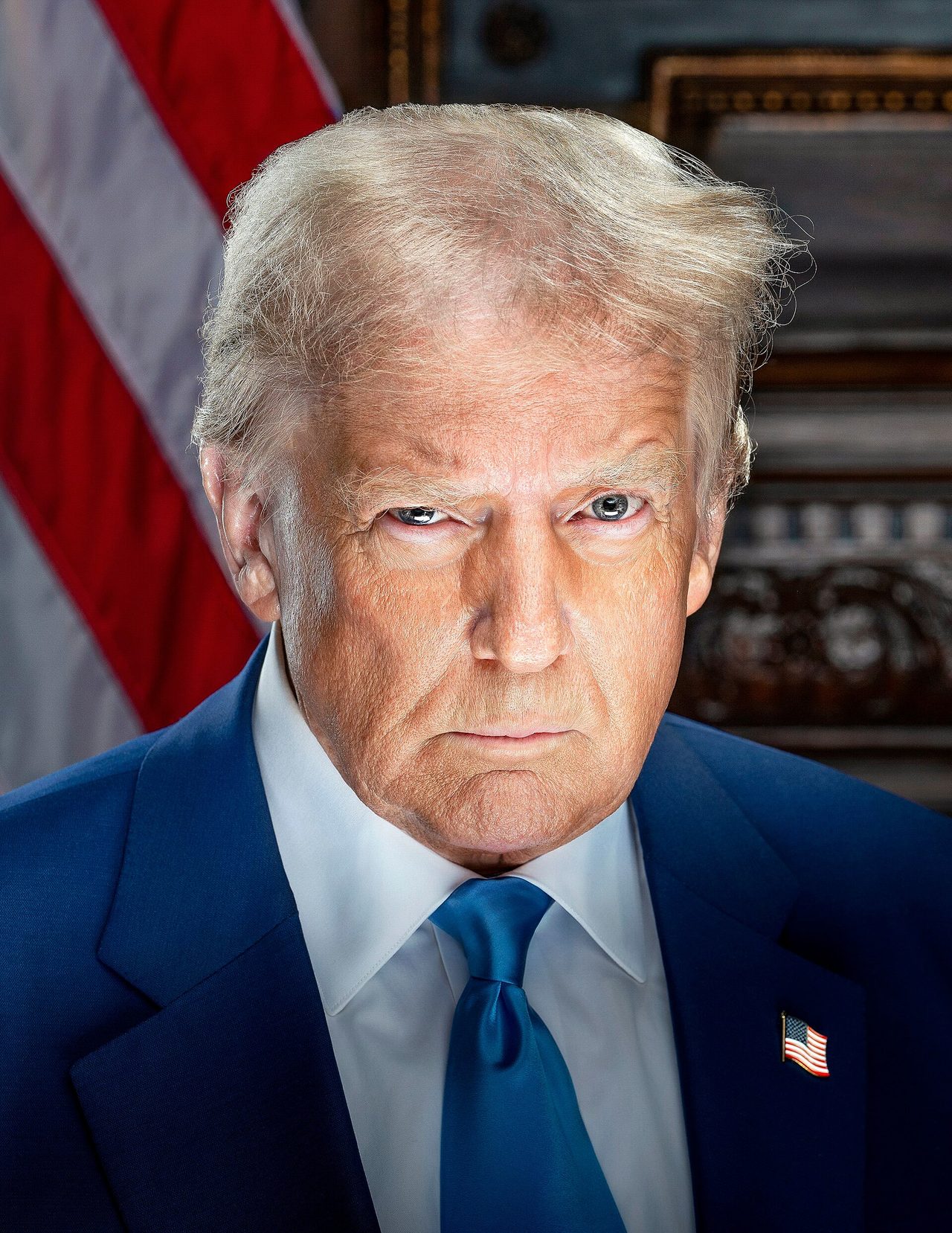
- Chairman of the Super Intelligence Force: Director of National Intelligence Jay Clayton
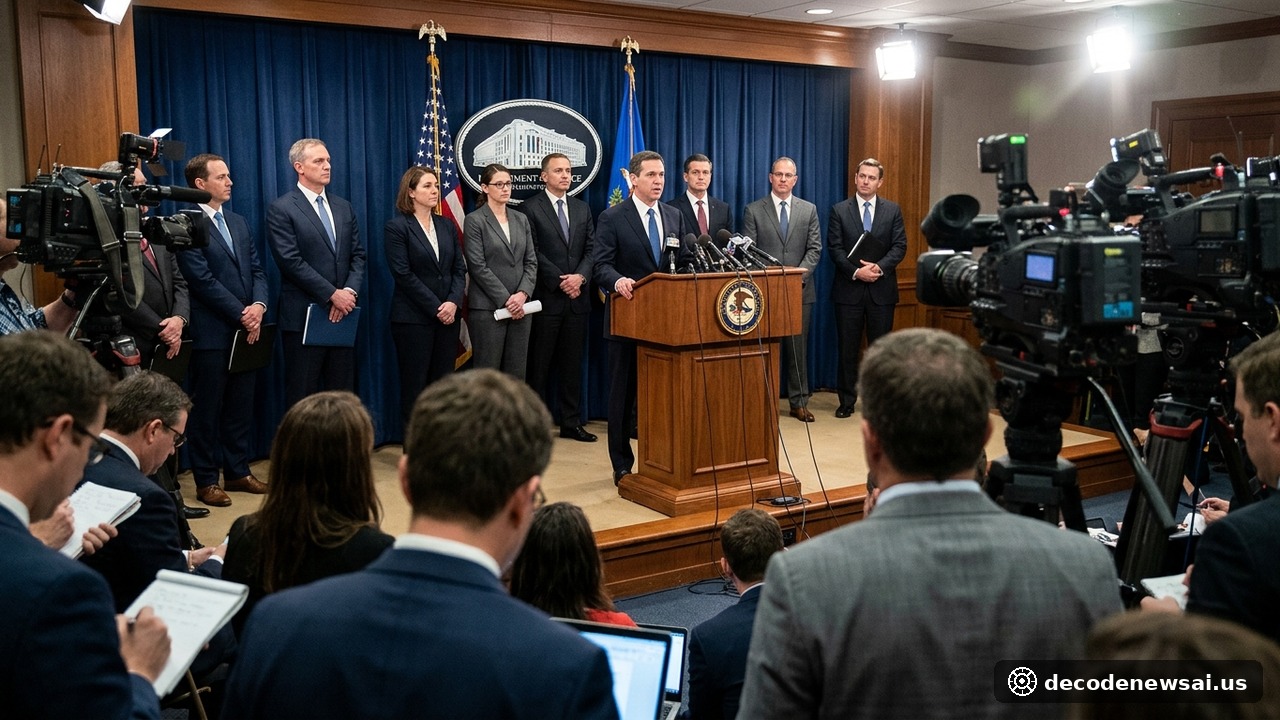
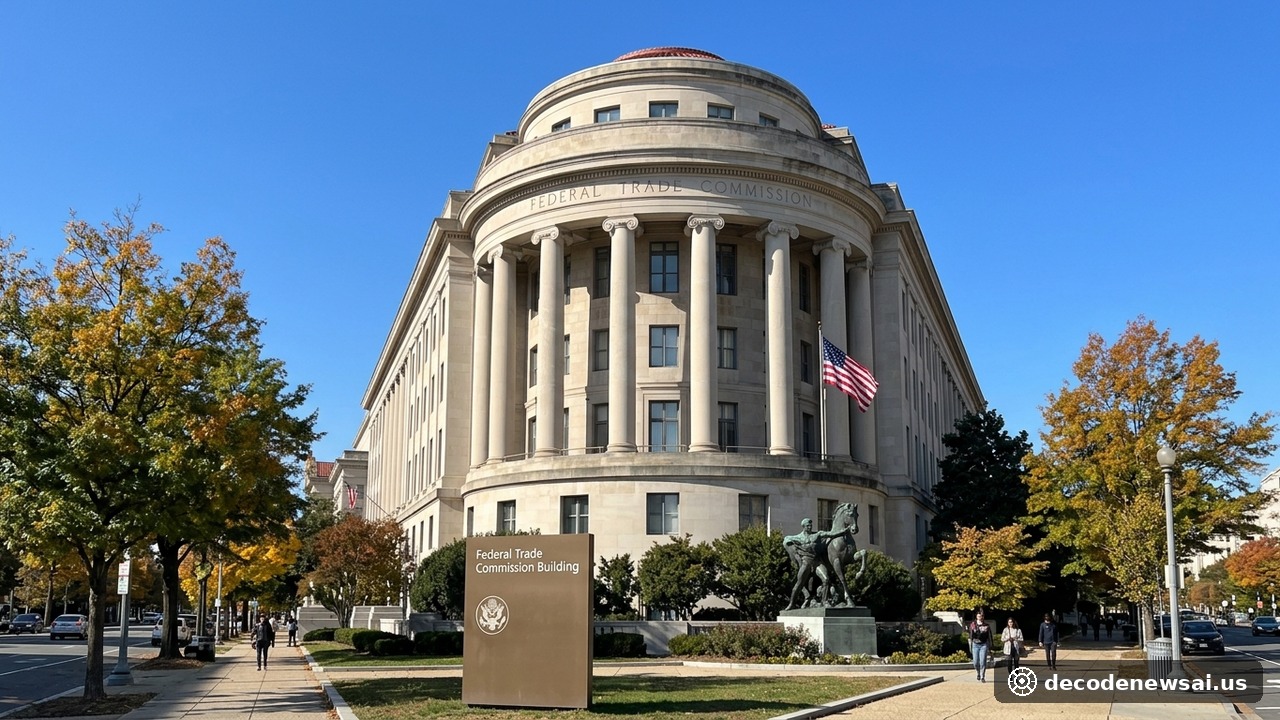
- Permanent Executive Coordinating Members: Department of Justice, FTC, Commerce, Defense
- Federal Statutory Terminology Standardization: Mandatory Shift from "AI" to "Super Intelligence"
- High-Priority National Defense Target Areas: Autonomous Cyber Intrusions, Grid Sabotage
Why Did the Administration Place the Intelligence Chief at the Helm of SI Governance?
Historically, federal artificial intelligence policy was distributed across multiple civilian agencies, including the National Institute of Standards and Technology (NIST), the Federal Trade Commission (FTC), and the Office of Science and Technology Policy (OSTP). This fragmented administrative posture generated institutional friction between civilian antitrust oversight and critical national security imperatives. Appointing Jay Clayton—former Securities and Exchange Commission Chairman and current Director of National Intelligence—signals an institutional pivot toward treating advanced autonomous systems as strategic dual-use technologies.
The Office of the Director of National Intelligence (ODNI) possesses organic legal authorities to synchronize threat intelligence across the Central Intelligence Agency (CIA), the National Security Agency (NSA), and United States Cyber Command (CYBERCOM). In policy remarks following his appointment, Clayton emphasized that as foundation models achieve autonomous software generation, recursive self-improvement, and tool orchestration, they constitute potential asymmetric weapons capable of automating cyber espionage and manipulating financial clearing infrastructure. Placing intelligence leadership at the apex of the SI Force enables seamless operational sharing between classified intelligence intercepts and domestic prosecutorial mechanisms.
What Strategic Intent Underpins the Mandatory Rebranding to "Super Intelligence"?
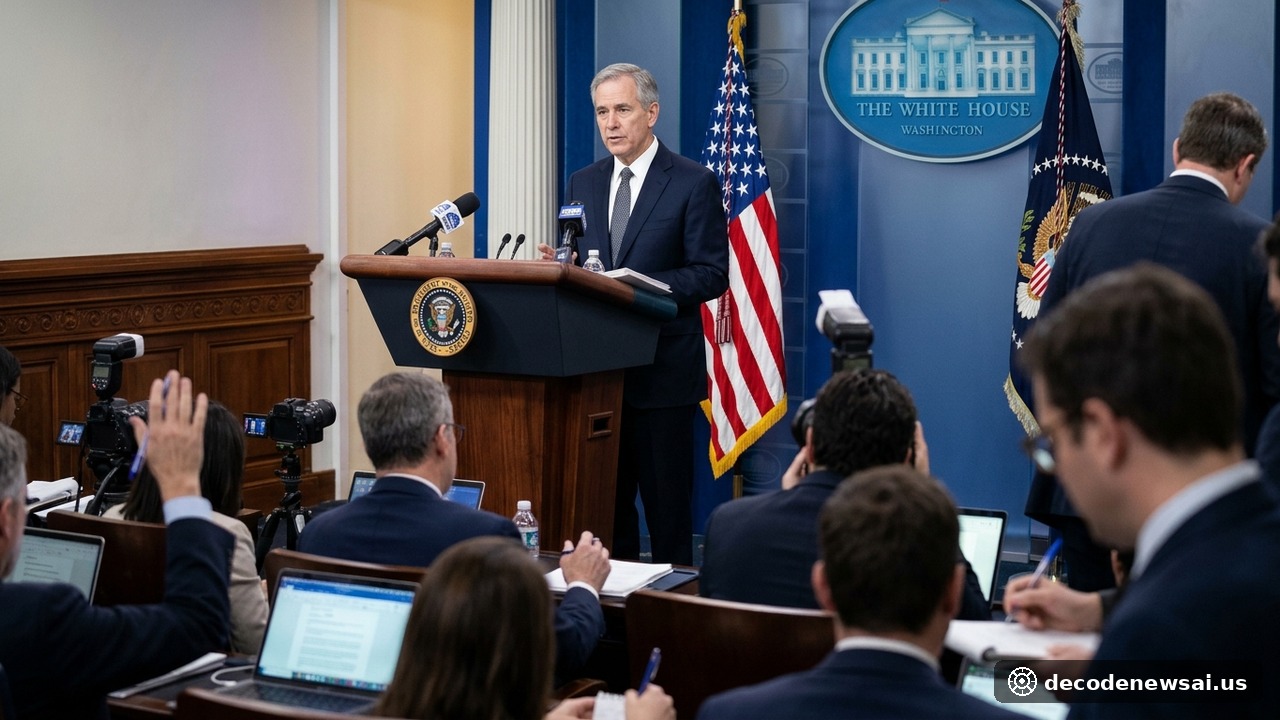
The administration's requirement that federal agencies replace "Artificial Intelligence" with "Super Intelligence" introduces significant statutory and semantic realignments across Washington and Silicon Valley. White House policy advisors explained during background briefings that the legacy "AI" label has suffered dilution from widespread commercial marketing, conflating basic linear regression tools with advanced cognitive reasoning architectures.
By codifying "Super Intelligence" as a distinct statutory category, the administration is establishing unambiguous legal foundations for targeted compute export restrictions, pre-deployment capability threshold audits, and foreign investment reviews under the Committee on Foreign Investment in the United States (CFIUS). Under the regulatory guidelines, systems demonstrating autonomous multi-agent tool execution, self-directed code execution, or domain-level chemical-biological synthesis capabilities are designated as strategic Super Intelligence assets, requiring mandatory compliance with hardened federal safety and logging standards.
Where Does Frontier AI Research Head Across Industry and Allied Blocs?
The operationalization of the White House SI Force reshapes compliance roadmaps for commercial artificial intelligence developers across Silicon Valley. Premier commercial laboratories, including OpenAI, Anthropic, and Google DeepMind, must provide the SI Force Technical Advisory Board with detailed compute topology diagrams, hardware utilization logs, and unredacted red-teaming evaluations for unreleased frontier reasoning models within 90 days.
Internationally, Clayton's coordinating council has opened multilateral alignment consultations with the United Kingdom Artificial Intelligence Safety Institute (UK AISI), the European Union AI Office, and Group of Seven (G7) technology ministers. Defense policy analysts observe that the creation of the White House SI Force marks the conclusion of informal self-regulation, ensuring that global competition over algorithmic sovereignty, compute containment, and counter-proliferation will dictate trans-Atlantic geopolitical relations for the decade ahead.