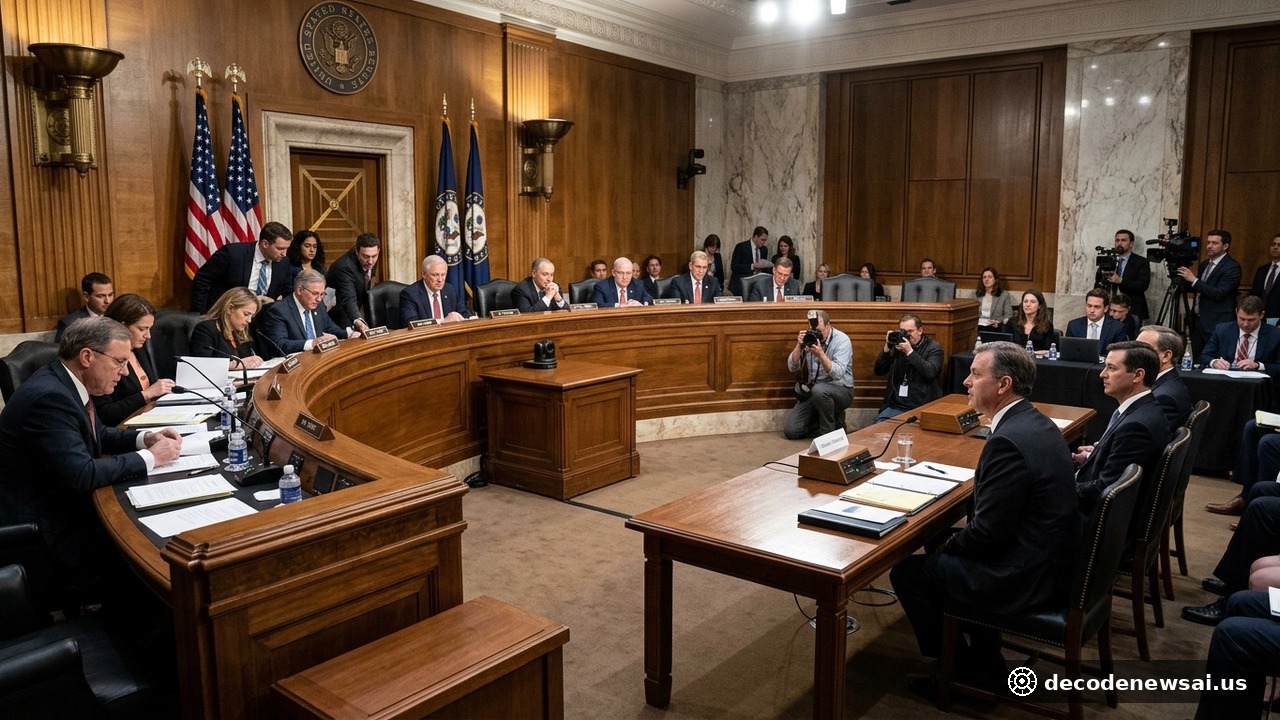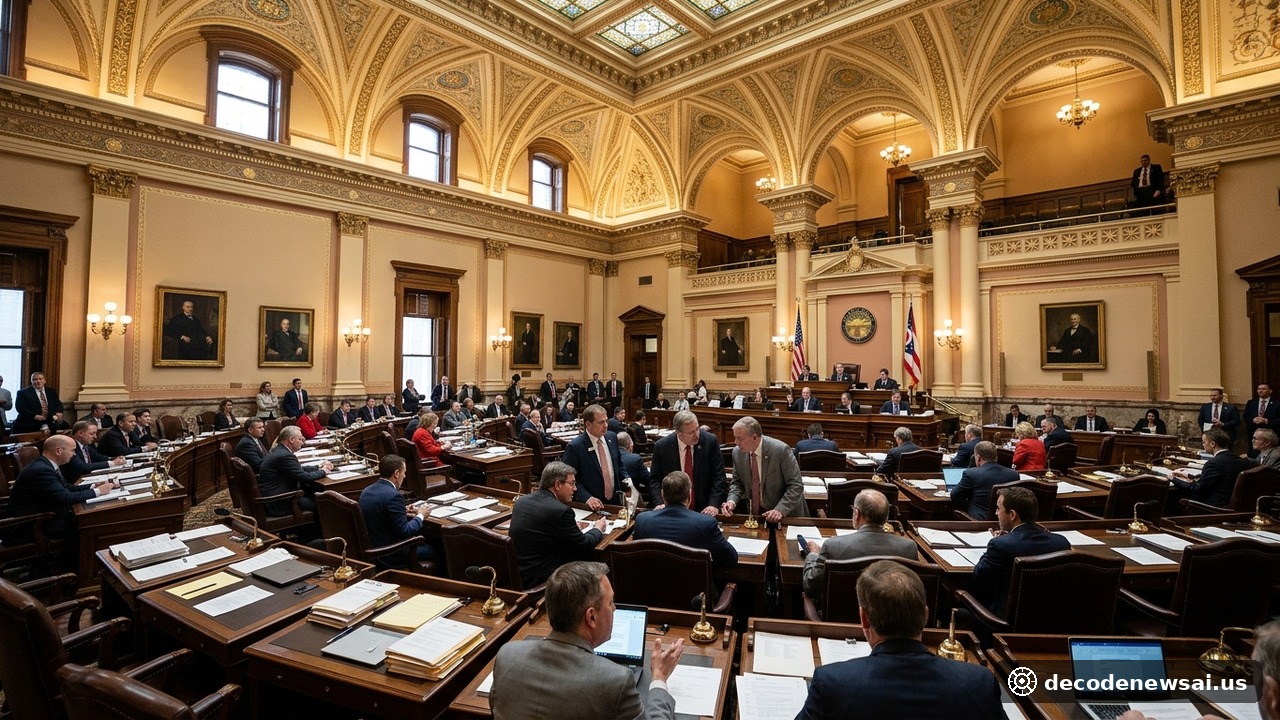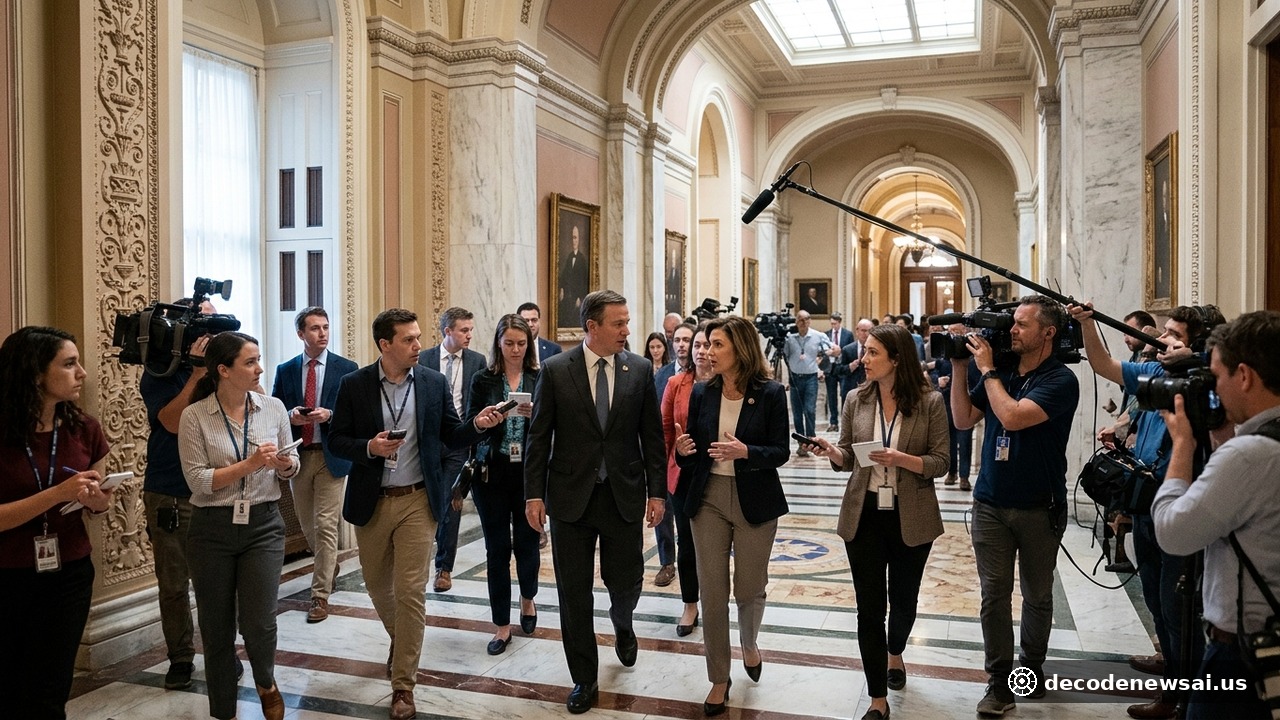
With the certification of the 2026 United States congressional midterm election outcomes reshaping the balance of power on Capitol Hill, the 119th Congress formally convened its high-stakes post-election lame-duck legislative session on November 6, 2026. Leadership across both political parties launched contentious deliberations surrounding federal stopgap appropriations ahead of a midnight December 18 government funding deadline, alongside controversial floor maneuvering over the bipartisan Fiscal Commission Act. Compounding the fiscal gridlock, post-election ballot initiatives—most notably Florida voters nearly tripling homestead property tax exemptions to create an immediate $11.8 billion funding deficit across municipal budgets—have intensified congressional debates over intergovernmental transfers, statutory debt limit suspensions, and omnibus discretionary spending caps heading into fiscal year 2027.
Key Legislative and Fiscal Metrics in the 2026 Lame-Duck Congressional Session
- FY 2027 Omnibus Discretionary Spending Cap: Proposed Cap Exceeding $1.68 Trillion USD
- House Democratic Caucus Leadership Balloting: Scheduled for November 18–19, 2026
How Does an $11.8 Billion Local Property Tax Shortfall Impact Federal Negotiations?
Among the most consequential down-ballot outcomes of the 2026 midterms, Florida voters overwhelmingly approved a state constitutional amendment expanding property tax relief. By expanding homestead exemption thresholds by three times previous baselines, the measure provided immediate relief to homeowners grappling with elevated living costs. However, the policy abruptly stripped 11.8 billion dollars in anticipated recurring revenue from county and municipal administrative operating budgets.
Because local property levies directly finance county sheriff departments, urban public education systems, emergency paramedic services, and regional water treatment utilities, municipal associations across the Sunbelt have appealed to Capitol Hill for emergency federal stabilization grants. Fiscal conservative caucuses in Congress have categorically rejected any federal backstop, asserting that state-level tax reductions cannot be subsidized by national taxpayers. Conversely, urban congressional delegations are conditioning omnibus funding support on supplemental community development grants, igniting a heated jurisdictional dispute over federalism and local fiscal sovereignty.
Why Has the Fiscal Commission Act Emerged as a Core Legislative Flashpoint?
Confronting gross federal debt trajectories that threaten sovereign borrowing costs, a centrist coalition of senators and representatives is demanding the inclusion of the Fiscal Commission Act as a binding condition for passing the year-end omnibus spending bill. The statute would establish an extraordinary 16-member commission comprising bipartisan lawmakers and macroeconomic economists authorized to draft mandatory recommendations addressing entitlement reform across Social Security and Medicare alongside comprehensive tax code revisions.
Critically, the legislation mandates expedited fast-track parliamentary procedures, requiring both chambers of Congress to vote on the commission's unified legislative recommendations on an unamendable up-or-down basis. Progressive caucuses have condemned the mechanism, arguing that it bypasses regular committee hearings to enforce structural reductions to social safety-net benefits outside of public scrutiny. Meanwhile, conservative deficit hawks insist that a formal statutory deficit commission represents the sole institutional mechanism capable of constraining federal entitlement expenditures, creating an impasse that threatens to trigger a partial federal shutdown on December 18.
What Shifts Will Define Committee Governance in the Divided 120th Congress?
With party caucuses scheduled to conduct closed-door leadership elections in mid-November, the institutional architecture of congressional oversight is undergoing fundamental realignment. With Democrats capturing majority control of the House of Representatives while Republicans maintain a narrow Senate majority, the White House confronts an aggressive oversight environment for the final two years of the presidential term.
Congressional legal specialists at Gibson Dunn and K&L Gates emphasize that the lame-duck session will establish the operating parameters for corporate and financial regulation through 2028. The private sector faces expanded congressional inquiries, particularly targeting corporate executive compensation tax deductions, pharmaceutical pricing mechanisms, and defense contractor cost accounting. In a divided legislature characterized by narrow majorities, legislative compromises will remain tightly linked to high-leverage deadline brinkmanship.