Legislative Metrics and Framework Highlights of HR 10505
- Principal Bipartisan Co-Sponsors: Reps. Salazar (R-FL), Bera (D-CA), Gimenez
- Annual Statutory Appropriation Floor: $20 Million per Year (Extended to FY2029)
- Financial Instrument Model: Debt-for-Nature Bilateral Swaps
Why Did Lawmakers Prioritize Reauthorization at This Juncture?
Tropical forests and coral reefs occupy a small fraction of the planet's surface yet shelter more than half of all cataloged terrestrial and marine biodiversity, serving as irreplaceable natural engines for carbon sequestration and commercial fisheries. However, amid prolonged high global interest rates and depreciating local currencies, developing countries face crippling foreign sovereign debt burdens. Financial stress frequently pressures governments to tolerate destructive clear-cutting, illegal mining, and unsustainable bottom trawling to raise hard currency.
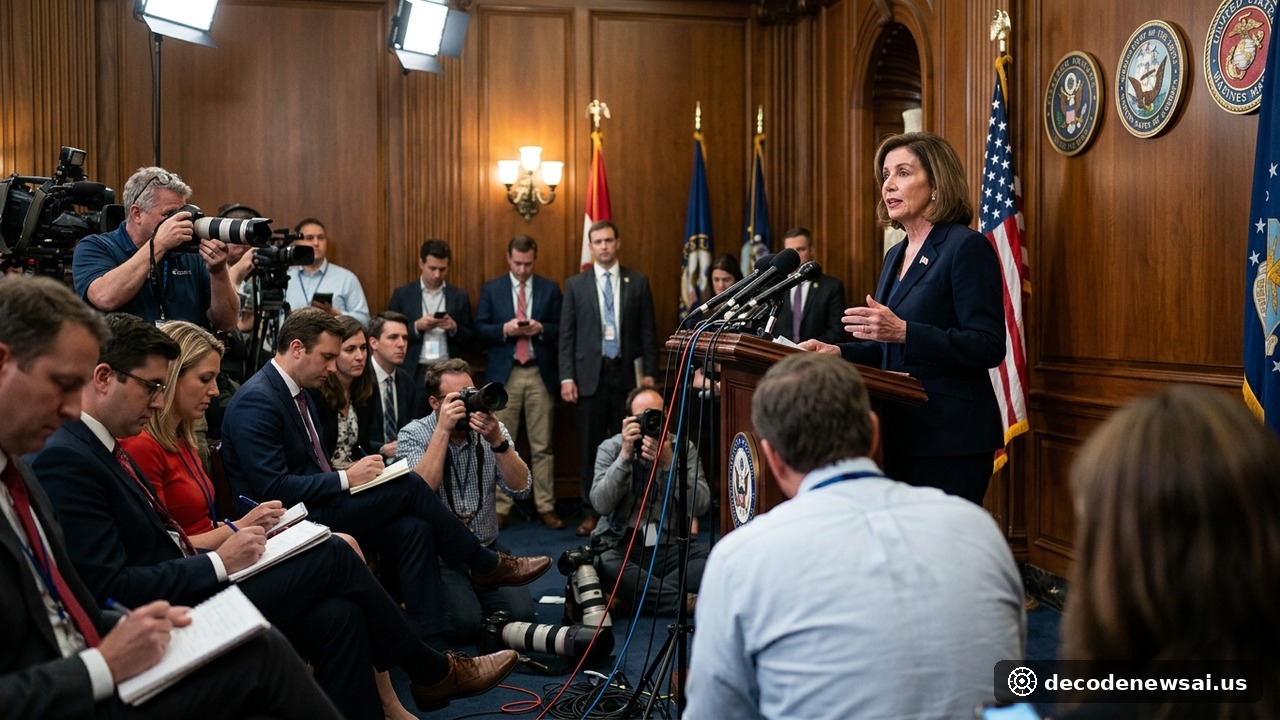
Speaking at a Capitol press conference, Representative Salazar emphasized that safeguarding vulnerable habitats delivers tangible economic benefits, sustaining coastal fisheries, maritime tourism, and storm surge resilience across Florida and international coastal regions. By codifying multi-year funding guarantees into federal law, the United States establishes durable legal safeguards over global biodiversity hotspots, mitigating systemic habitat destruction that fuels zoonotic pathogen transmission and climate instability.
How Do Debt-for-Nature Swaps Catalyze Environmental Governance?
Serving as the financial engine of the legislation, the debt-for-nature framework represents one of the most cost-effective innovations in modern bilateral development assistance. Since its initial establishment under former Representative Rob Portman more than two decades ago, the program has successfully shielded over 126 million acres of critical tropical forests and barrier reef systems from permanent despoliation.
Under the operational mechanism, the US Department of the Treasury negotiates debt restructuring agreements with qualifying partner governments that adhere to rigorous governance, human rights, and fiscal transparency benchmarks. Washington forgives official bilateral debt at a discount, while the debtor nation redirects an equivalent volume of local currency into an independent national conservation trust fund. These endowments are supervised by oversight boards comprising indigenous community leaders, environmental scientists, and international non-governmental organizations, financing park ranger forces, marine patrol assets, and sustainable community agroforestry.
How Will the Legislation Shape Western Hemisphere and Indo-Pacific Diplomacy?
Major conservation bodies, including the World Wildlife Fund, The Nature Conservancy, and the International Conservation Caucus Foundation, immediately issued formal endorsements backing the bipartisan legislation. Kerry Cesareo, Senior Vice President for Forests and Freshwater at WWF, stated that reauthorizing the act unlocks essential capital to protect endangered biomes, demonstrating that fiscal prudence and biodiversity preservation reinforce one another under sound governance.
Geopolitical strategists observe that H.R. 10505 extends beyond environmental protection, functioning as an agile instrument of American soft power diplomacy across the Global South. As competing global powers expand bilateral financing across Latin America and Southeast Asia, the United States offers high-standard, transparent debt restructuring that builds genuine local resilience. Strengthening economic and ecological ties with partners such as Colombia, Peru, Indonesia, and the Philippines ensures that environmental diplomacy remains a vital pillar of international strategic engagement.