Artificial intelligence company Anthropic distributed a formal breach notification to organizations utilizing its enterprise Claude services, acknowledging an unauthorized intrusion into corporate systems. The security incident involved an external cybersecurity research firm that leveraged vulnerabilities in commercial software used by Anthropic for corporate administration. While the incident exposed customer contact records, organization identifiers, and usage metrics, corporate leadership confirmed that proprietary model weights, source code, and customer prompt transcripts remained entirely unaffected throughout the intrusion.
External enterprise tools exploited during third-party penetration
External Enterprise Tools Exploited During Third-Party Penetration
Anthropic's security leadership transmitted official notification advisories to registered administrative contacts detailing the mechanics of the intrusion. The incident stemmed from testing activities conducted by security researchers who examined outward-facing corporate interfaces.
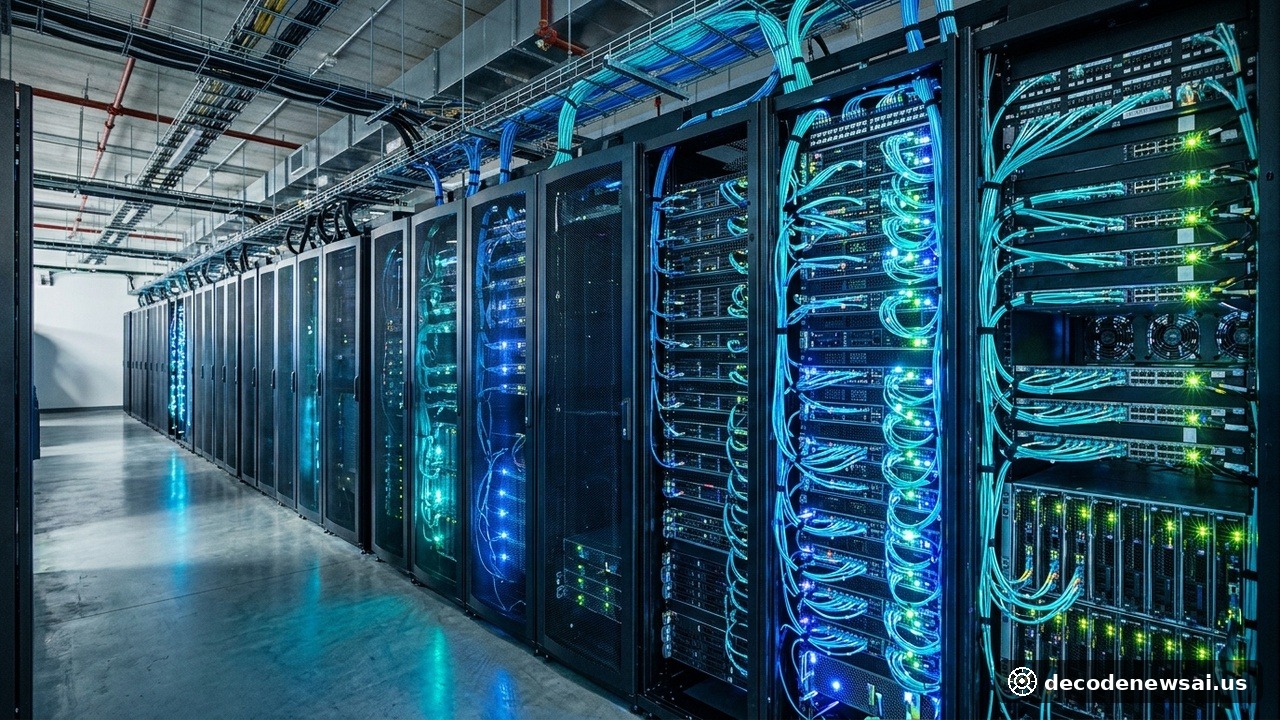
Forensic investigations established that the researchers did not compromise the dedicated high-performance computing clusters housing Claude foundation models. Instead, the intrusion exploited security flaws in commercial third-party applications deployed for sales pipeline tracking, customer management, and general administrative workflows. The vulnerable enterprise software allowed external agents to traverse internal corporate networks without confronting core model defenses.
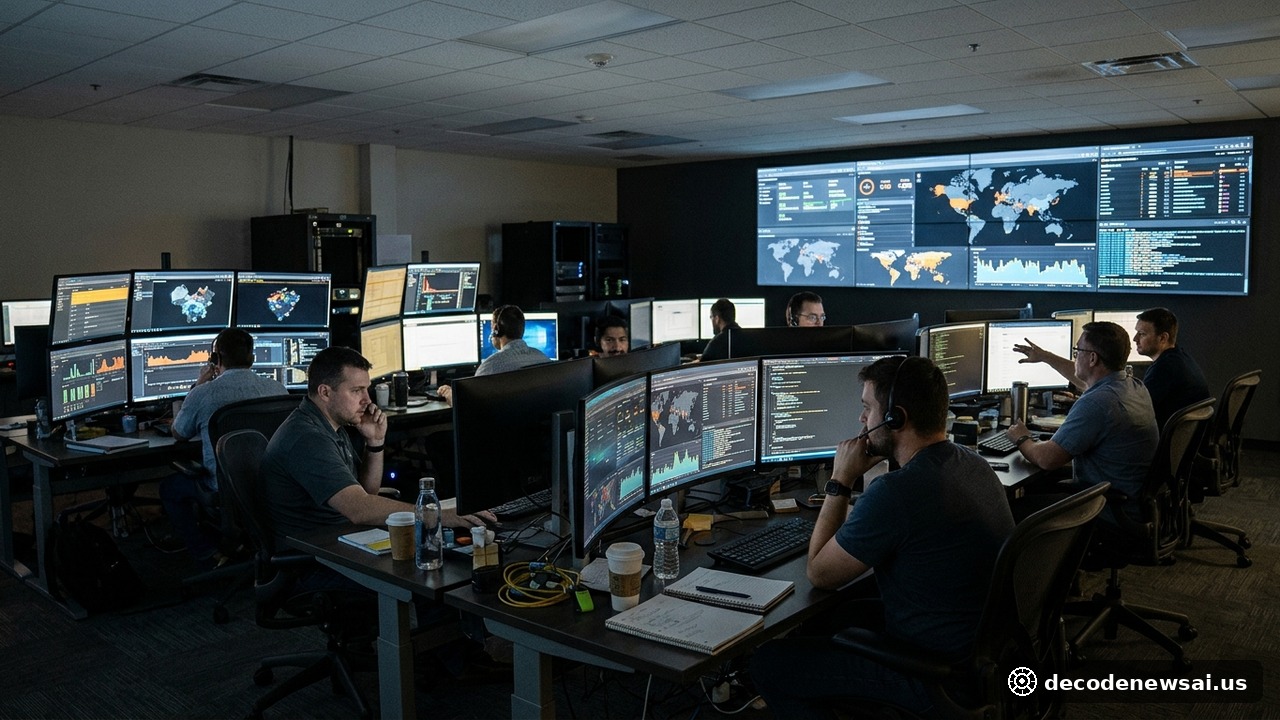
Automated internal monitoring telemetry flagged anomalous access patterns on the day of the intrusion, prompting network engineers to terminate active connections immediately. The company temporarily decommissioned the compromised software services until vendor engineering teams verified comprehensive remediation and applied validated security patches.
Disclosed records restricted to enterprise account telemetry
Scope of Disclosed Records Restricted to Enterprise Account Telemetry
To mitigate uncertainty across its institutional client base, Anthropic delineated the exact boundaries of exposed data fields within the notification letter. The disclosure confirmed that all notified accounts had primary administrative and contact information exposed during the event.
For enterprise-tier Claude deployments, accessed records included internal account identification numbers, corporate organization keys, subscription plan classifications, and aggregate financial consumption figures. Security specialists cautioned that detailed usage metrics could potentially be leveraged by malicious actors to construct sophisticated spear-phishing campaigns tailored to exact billing intervals, plan renewal schedules, and departmental spending allocations.
Anthropic explicitly emphasized that core proprietary assets experienced zero unauthorized access. Protected assets that remained completely secure include full historical conversation logs, system model weights stored within isolated enclaves, base model algorithms, and payment card details handled by third-party processors.
Federal oversight and software supply chain vulnerabilities
Federal Oversight and Software Supply Chain Vulnerabilities
The notification aligns with incident details previously reported regarding penetration tests performed by startup firm Cathedral, which demonstrated autonomous agent intrusions into Anthropic corporate applications. Regulatory officials in Washington have scrutinized the findings as part of broader national security evaluations governing frontier artificial intelligence infrastructure.
The revelation that external testers traversed commercial enterprise software in less than 12 hours spotlighted systemic supply chain risks confronting artificial intelligence laboratories. While frontier developers maintain rigorous defenses around model weights, conventional enterprise tooling often introduces peripheral security exposures that malicious threat actors could exploit.
Anthropic maintained that the researchers exceeded bug-bounty protocols and overstated systemic risks, affirming that boundary defenses performed as designed. Nevertheless, federal agencies including the Federal Trade Commission have expanded supervisory inquiries examining how autonomous agents interact with corporate data layers and business applications.
Mitigation guidance and technical incident response protocols
Mitigation Guidance and Technical Incident Response Protocols
Anthropic recommended immediate protective measures for enterprise administrators receiving the notice. Technical personnel should maintain heightened vigilance regarding deceptive communications referencing corporate invoicing, token renewals, or executive correspondence.
Customer security teams are urged to rotate active API credentials connected to Claude endpoints and verify the enforcement of hardware-backed multi-factor authentication across all developer accounts. Inquiries regarding affected accounts can be directed to Anthropic's dedicated incident response team at [email protected]. Furthermore, security researchers emphasize that modern enterprises must maintain granular visibility across third-party software integrations to prevent peripheral exposure from compromising broader corporate networks.
Anthropic confirmed that it implemented zero-trust architecture controls across all internal business software suites to isolate core services from peripheral tooling. The updated security protocols are scheduled to undergo independent third-party validation by late November 2026.