SAN FRANCISCO - Artificial intelligence developer Anthropic PBC completed an unprecedented commercial utility transaction on Sunday, November 8, entering into a binding procurement agreement valued at approximately 3.4 billion dollars to acquire heavy-duty power generation equipment. The transaction secures 1.7 gigawatts of specialized industrial gas-fired turbine capacity, representing the largest known individual power equipment purchase executed by an artificial intelligence firm to date.
OnePWR Solutions to supply turbines through 2027
The rapid scaling of frontier foundation models has outstripped transmission capacity across regional utility grids. In premier data center development hubs across Virginia and Texas, enterprise interconnection queues routinely exceed five years. Facing surging enterprise demand for its Claude model family, Anthropic adopted an off-grid modular generation strategy to bypass regional utility interconnection bottlenecks and secure dedicated behind-the-meter electricity.
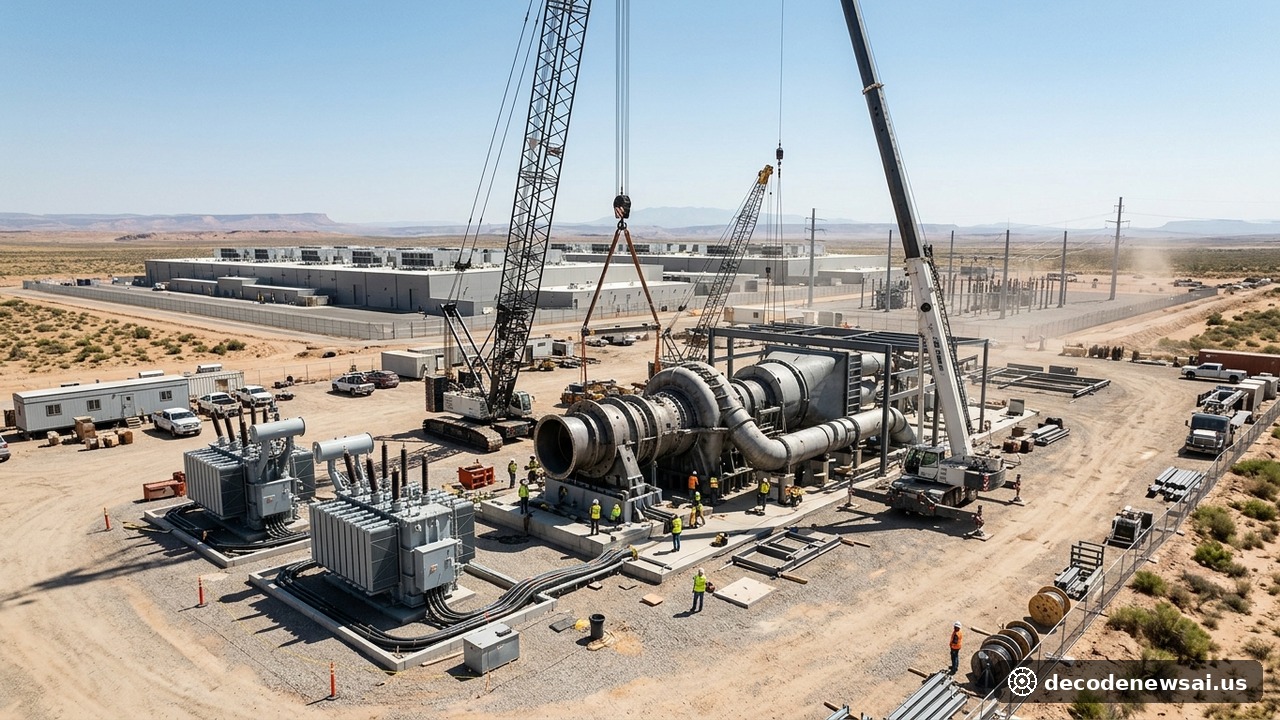
The machinery supplier is OnePWR Solutions, an industrial power systems engineering enterprise based in San Antonio, Texas. The multi-year transaction encompasses 1.7 gigawatts of heavy-duty aeroderivative and industrial gas turbine units, alongside specialized engineering and construction deployment support. While Anthropic did not acquire an equity stake in OnePWR, the commercial contract effectively commits the supplier's production pipeline through 2027.
An energy infrastructure systems engineer noted during an industry symposium: "Frontier artificial intelligence training clusters demand continuous baseline electricity exceeding standard municipal distribution thresholds. Off-grid generation provides an essential operational safeguard for hyperscale computing deployments." Tech executives endorsed the move.
Microgrids with carbon capture and solar arrays
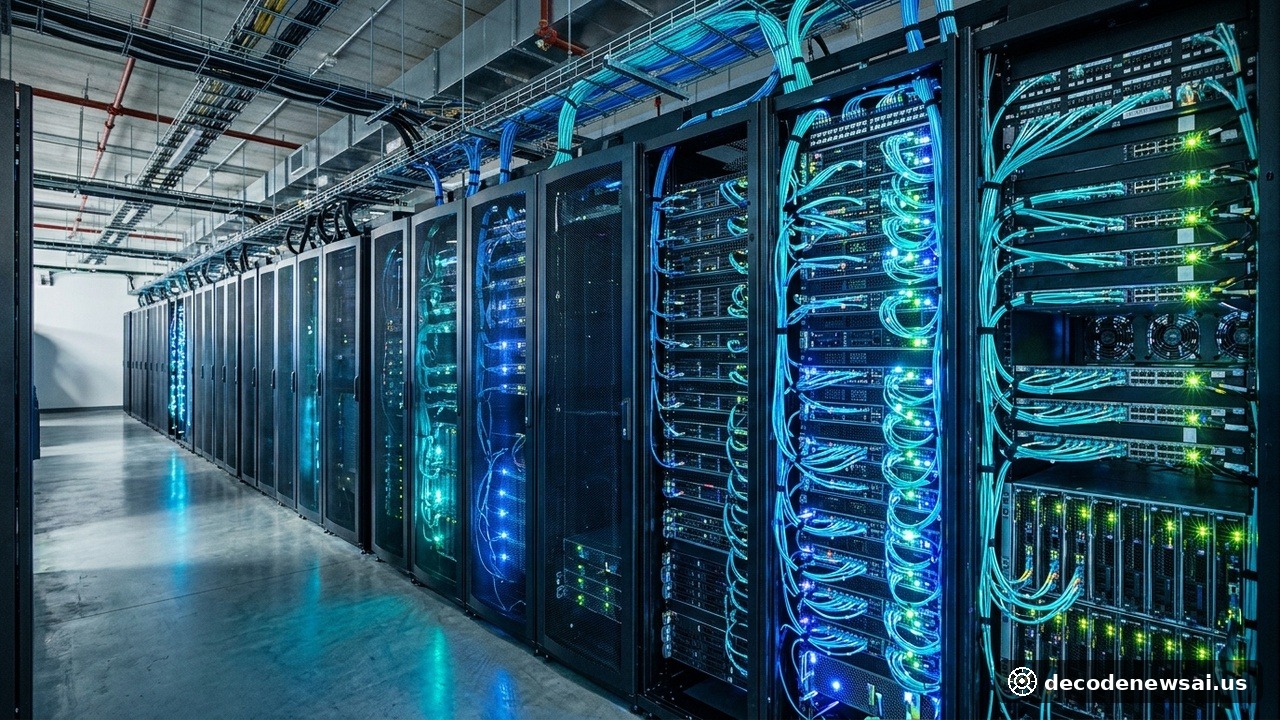
The 1.7-gigawatt generation portfolio generates electrical output comparable to a large-scale commercial nuclear station. Anthropic plans to distribute the generating capacity across planned gigawatt-scale computing campuses currently under development across the southern United States. The dedicated generation fleet will run on continuous baseload operating schedules, providing steady power to hundreds of thousands of advanced liquid-cooled accelerator processors.
To balance environmental compliance targets with continuous operational demands, Anthropic's campus engineering blueprints incorporate modular carbon capture technology and co-located commercial solar arrays. During peak daylight intervals, photovoltaic arrays reduce turbine fuel consumption, while gas generation resumes primary load management during evening hours. The multi-source microgrid architecture is engineered to satisfy strict 99.999 percent electrical reliability standards.
Utility regulators and municipal planners noted that off-grid commercial generation mitigates upward rate pressure on retail residential power bills. By financing dedicated private generation arrays, commercial compute developers avoid burdening regional transmission networks with abrupt load spikes. However, developers must secure long-term firm natural gas pipeline capacity to guarantee fuel availability.
Anthropic S-1 shows one trillion dollar commitments
Wall Street investment banks viewed the capital commitment as an essential strategic maneuver. Regulatory disclosures filed in Anthropic's amended S-1 registration statement reflect long-term compute and infrastructure capital expenditure commitments approaching one trillion dollars. Capital expenditures in computational hardware remain closely linked to primary power procurement.
Energy infrastructure analysts pointed out that securing private, off-grid generation assets addresses one of the most significant structural bottlenecks facing the global artificial intelligence industry. As hyperscale frontier models demand immense electrical power for continuous training clusters, traditional regional utility interconnections have become primary determinants of deployment speed. By procuring dedicated gas-fired turbine capacity, Anthropic establishes operational independence from constrained public utility queues.
Environmental and utility regulatory specialists emphasized that private microgrid deployments must balance rapid power delivery with long-term decarbonization commitments. Deploying high-efficiency modular gas turbines alongside carbon capture and renewable solar arrays provides a transition pathway that maintains high uptime reliability while limiting environmental impacts. The unprecedented scale of Anthropic's equipment order highlights the intensifying convergence between advanced computation and primary heavy industrial energy infrastructure.
Private microgrids stabilize AI computing clusters
Industrial energy analysts observed that large-scale private microgrids provide essential electrical stability for advanced AI computing clusters. By pairing high-capacity gas turbines with on-site renewable energy storage, technology companies insulate high-density computing clusters from regional grid disturbances while preserving continuous computational performance.