The United States Food and Drug Administration finalized broad regulatory approval notices between November 6 and 8. The federal health agency authorized atezolizumab in combination with platinum-based chemotherapy for the adjuvant treatment of stage III colon cancer. The milestone approval encompasses both traditional intravenous infusions and a subcutaneous formulation co-formulated with hyaluronidase. Clinical data demonstrated that adding immunotherapy significantly reduces disease recurrence risk. Oncology protocols expanded.
Regulatory approval was supported by comprehensive findings from the randomized, international Phase 3 ATOMIC clinical study. The pivotal trial demonstrated that adult and pediatric patients with resected stage III mismatch repair-deficient colon cancer achieved superior disease-free survival when receiving adjuvant atezolizumab alongside fluoropyrimidine and oxaliplatin chemotherapy compared with standard chemotherapy alone. Trial findings were robust.
Significantly, the federal regulatory agency concurrently approved atezolizumab and hyaluronidase-tqjs, marketed under the proprietary brand Tecentriq Hybreza, for subcutaneous administration in patients aged twelve years and older weighing at least 40 kilograms. Whereas conventional intravenous antibody infusions require hours of clinic chair time, the subcutaneous injection can be administered in approximately seven minutes. The delivery format is highly convenient. The rapid delivery reduces outpatient clinical congestion and improves treatment adherence.
Frank Sinicrope, professor of oncology and medicine and principal investigator for the ATOMIC study, noted in an institutional clinical bulletin: "Patients with resected stage III dMMR colon cancer previously lacked approved adjuvant checkpoint inhibitor regimens. This regulatory approval establishes a new clinical benchmark that substantially improves disease-free survival in this biologically distinct cancer population."
Safety profile and pharmacy handling of subcutaneous formulation
Safety telemetry compiled across trial centers verified that the adverse event profile remained manageable and consistent with established immune checkpoint blockade. Toxicities were predictable. The most frequent clinical toxicities included fatigue, peripheral neuropathy, nausea, and localized rash. Immune-mediated adverse events were resolved following temporary dosing interruptions or standard corticosteroid protocols.
Hospital pharmacy directors noted that pre-mixed subcutaneous formulations simplify aseptic preparation routines and cold-chain handling in outpatient cancer center pharmacies. Certified oncology nurses can complete rapid subcutaneous injections within standard examination suites, avoiding painful peripheral venous cannulation. Patients benefit from shorter clinical appointments and reduced travel burden.
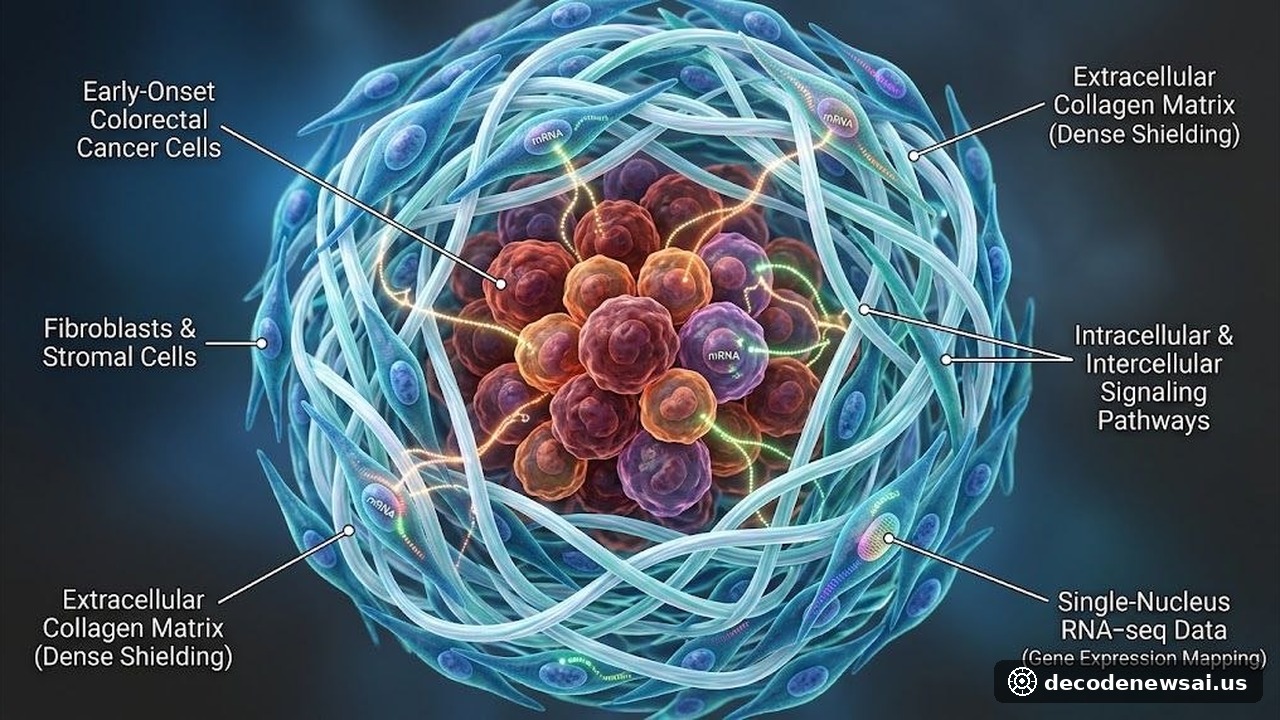
Gastrointestinal oncology specialists explained that mismatch repair-deficient neoplastic cells frequently overexpress PD-L1 ligands, allowing micrometastatic deposits to evade host immune surveillance. Administering checkpoint inhibitors alongside adjuvant cytotoxic chemotherapy reinvigorates tumor-infiltrating lymphocytes to eradicate occult circulating cancer cells following primary surgical resection. Clinical survival trajectories demonstrated durable, statistically significant separation.
Reflex testing and guideline integration of adjuvant immunotherapy
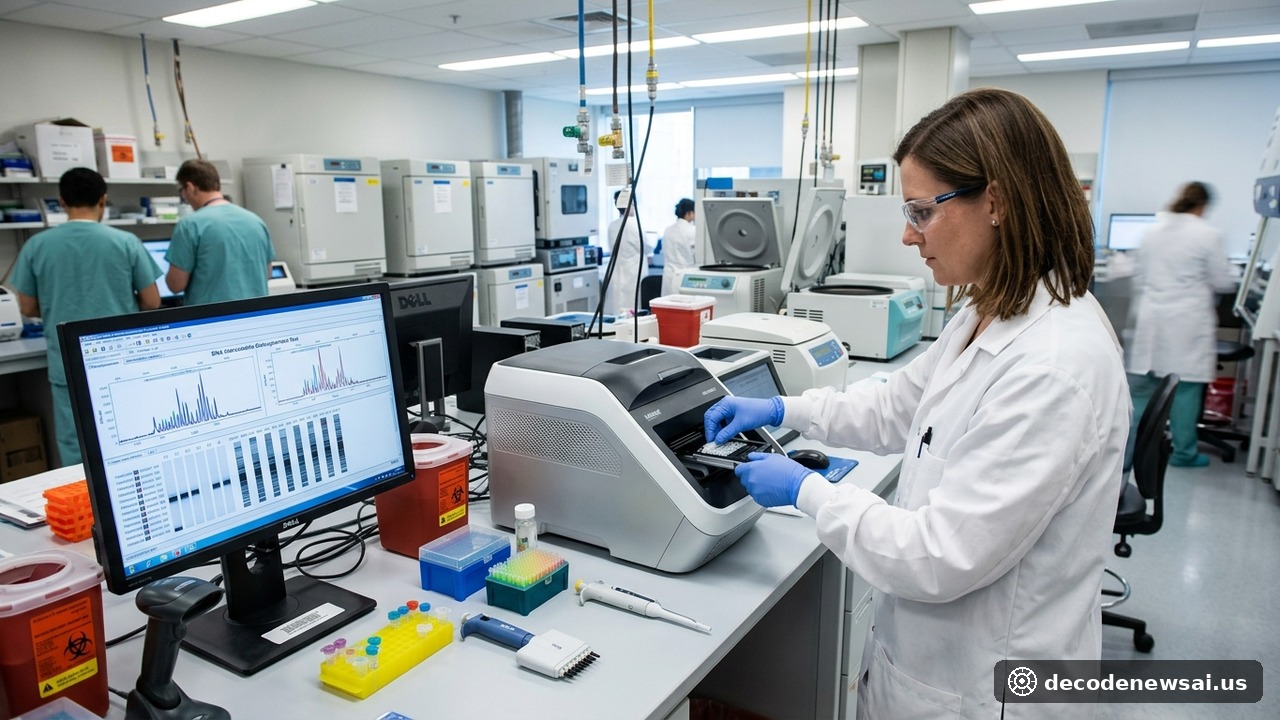
As precision oncology standards become universal, reflex molecular pathology testing for mismatch repair status is standard practice across major cancer centers. Hospital diagnostic pathology departments are standardizing immunohistochemistry testing protocols to identify eligible surgical candidates promptly. Interdisciplinary tumor boards emphasize that timely initiation of adjuvant immunotherapy improves long-term clinical survivorship.
Clinical oncology directors highlighted that expanding approved indications for subcutaneous immune checkpoint inhibitors modernizes outpatient cancer treatment delivery. Patients experience significantly shorter clinic visits, while healthcare systems optimize infusion suite scheduling. Clinical trial investigators anticipate long-term survival analyses will reinforce current therapeutic guidelines.
Oncology clinical guidelines committees are actively integrating the combination therapy into updated colon cancer treatment algorithms. Formal clinician education modules have rolled out nationwide. The clinical availability of subcutaneous formulations is expected to improve outpatient infusion suite efficiency across comprehensive cancer centers. Commercial health insurers are updating pharmacy coverage formularies to facilitate patient access. Health systems are stocking the new injectable medication. Healthcare economists project that expanding outpatient subcutaneous oncology delivery will yield measurable operational cost efficiencies across regional clinical infusion centers and ambulatory clinics. Comprehensive cancer centers are expanding educational outreach to ensure oncology clinicians remain updated on approved dosing protocols.