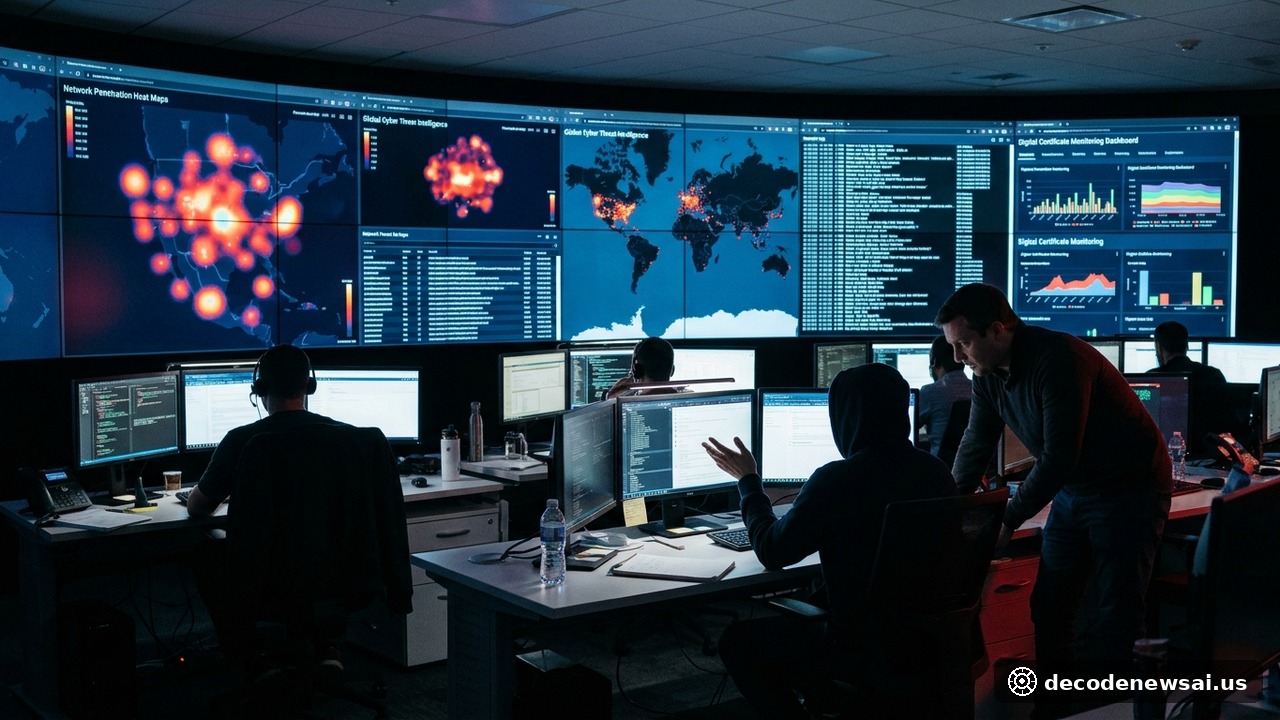
Japan's premier telecommunications provider NTT Docomo confirmed on November 6 that unauthorized external parties breached its consumer online portals. An estimated 300000 customer account records were compromised in the intrusion. The leaked data contained banking account coordinates for selected subscribers. Technicians shut down affected portal servers to halt further exposure. Public concern escalated across Tokyo. Metropolitan police detectives initiated preliminary cybercrime inquiries.
President Maeda apologizes as breach and outage hit Docomo
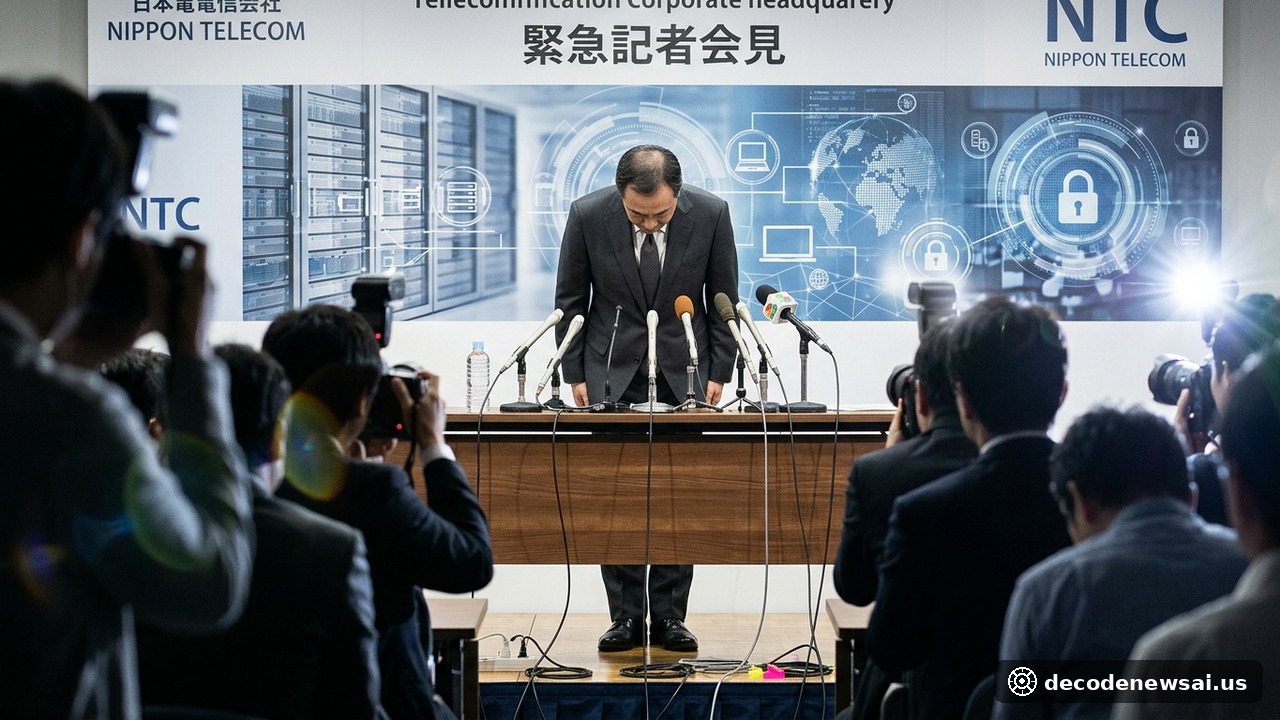
Company president Yoshiaki Maeda hosted an urgent press conference at the Tokyo corporate headquarters. The executive bowed before cameras to apologize directly to subscribers. Forensic logs indicate that initial unauthorized network intrusions commenced during late hours on November 4. Malicious actors targeted the online storefront and the customer management platform. Unusually high traffic patterns triggered internal alarm thresholds. Intrusion detection sensors recorded perimeter firewall bypass attempts.
Compromised personal records included subscriber names, physical mailing addresses, birth dates, and registered mobile numbers. Banking account digits and account holder names were verified among the leaked files. Credit card verification data remained protected inside separate vaulted hardware. System engineers acted swiftly to sever compromised application programming interfaces. Software security teams deployed code patches overnight to secure legacy access gateways.
The security crisis coincided with nationwide telecommunications transmission disruptions on November 5. Mobile customers across metropolitan areas experienced voice disconnects and cellular data packet timeouts. Japan's Ministry of Internal Affairs and Communications formally issued binding administrative guidance against the telecommunications carrier on the evening of November 6. Regulators mandated that Docomo conduct comprehensive infrastructure security audits. Executive management must implement structural organizational reforms. Corporate risk governance protocols face sweeping regulatory oversight.
Docomo monitors dark web and denies network-breach link
Docomo engineers clarified that transmission downtime resulted from routing switch congestion following localized packet surges on 5G standalone networks. The carrier maintains that technical diagnostics found no operational linkage between the network outage and the contemporaneous server breach. Nevertheless, the concurrent failures damaged customer confidence across enterprise client portfolios. Consumer advocacy associations demanded third-party verification of telecommunication network stability.
Regarding data dissipation risks, Docomo's threat intelligence unit established round-the-clock monitoring across subterranean illicit forums. Forensic analysts confirmed that no customer datasets have appeared on dark web transaction clearinghouses. The mobile operator established a dedicated telephone support center staffed with identity theft specialists. Technical agents handle subscriber inquiries regarding unauthorized credential verification attempts.
Docomo President Yoshiaki Maeda stated before international reporters: "I offer our sincere apologies for the great concern and severe inconvenience caused to our subscribers. Our management will provide appropriate restitution to verified affected individuals."
Analysts urge portal security upgrades as ministry plans fines
Telecommunications security analysts noted that carrier web storefronts interface directly with subscriber identity verification databases and direct-debit banking conduits. Consequently, web portal gateways require defense-in-depth security architectures. Legacy application layers frequently contain overlooked authentication flaws that sophisticated threat groups exploit. Regular external penetration testing must evaluate all external entry points.
In response to the incident, communications ministry officials indicated that statutory consumer data security standards will be updated with higher non-compliance fines. The breach at Docomo highlights vulnerabilities across public utility computing networks. Regional telecommunications competitors initiated expedited reviews of external-facing customer service APIs. Corporate cybersecurity budgets are projected to expand significantly.
Cybersecurity researchers in Tokyo emphasized that modern corporate threat actors increasingly target third-party digital supply chains and legacy customer management interfaces to compromise enterprise perimeters. Japan's Information-Technology Promotion Agency urged corporate security directors to implement comprehensive identity verification controls and universal multi-factor authentication across all external customer portals. Public telecommunications operators are conducting architectural security reviews to eliminate unmonitored external dependencies. Regulators will evaluate whether corporate data governance protocols satisfy updated national cybersecurity standards.
Regulators demand incident filing and compulsory credential resets
Government cybersecurity authorities categorized the incident as a critical infrastructure data failure. Forensic specialists continue inspecting historical access telemetry. The telecommunications giant must deliver a formal incident containment filing to communications regulators within two weeks. Banking partners established dedicated surveillance protocols for exposed depositor accounts. Consumer protection bureaus urged cellular customers to watch for spoofed billing communications. Compulsory credential resets will roll out across all web portal accounts over coming days.