The United States Centers for Disease Control and Prevention (CDC) released comprehensive clinical surveillance findings in the Morbidity and Mortality Weekly Report (MMWR), revealing that unvaccinated mpox patients experience 9.73 times the odds of hospitalization compared to individuals fully immunized with two vaccine doses. The multi-year epidemiological analysis evaluated thousands of clinical cases infected with clade IIb virus, confirming sustained low-level transmission across domestic urban centers. CDC epidemiologists determined that persistent circulation since the initial 2022 outbreak marks a definitive transition toward domestic viral endemicity.
Clinical Data Validates Substantial Protection Against Severe Hospitalization
The multi-center study evaluated patients with verified immunization records to establish comparative clinical risk profiles. Public health statisticians implemented multivariable logistic regression models adjusting for age distribution, immunosuppressive comorbidities, and human immunodeficiency virus (HIV) co-infection status.
Immunization status correlated directly with reduced clinical severity. Among 860 patients with comprehensive clinical datasets, unvaccinated individuals exhibited 9.73 times the odds of acute inpatient admission relative to peers receiving the full two-dose regimen of the modified vaccinia Ankara vaccine (JYNNEOS). Patients who completed a single dose also recorded statistically significant reductions in inpatient admission compared to unimmunized cohorts.
Patients living with immunocompromising underlying conditions experienced compounded health risks. Epidemiological tabulations confirmed that individuals co-infected with HIV faced 2.37 times higher odds of acute hospitalization relative to HIV-negative mpox cases, prompting federal health officials to recommend prioritized immunization outreach across specialized immune-care clinics.
Transmission dynamics and clade-specific surveillance
Transmission Dynamics and Clade-Specific Surveillance
Clade IIb mpox continues to demonstrate persistent transmission within interconnected social and clinical networks. Longitudinal tracking data compiled by federal researchers established that community transmission has stabilized at low baseline infection rates rather than reaching complete domestic elimination.
Surveillance monitoring identified zero sustained domestic community spread of high-virulence imported lineages. Federal health authorities documented 11 confirmed clade Ib infections during the 2024-2025 surveillance cycle, primarily associated with international travel corridors. Prompt epidemiologic contact tracing and clinical isolation protocols prevented secondary community transmission chains.
Public health leadership categorized the epidemiological shift as an endemic baseline. In an official agency bulletin accompanying the MMWR report, federal disease surveillance directors emphasized, "The sustained transmission of clade IIb virus indicates mpox is establishing an endemic presence domestically, making full two-dose vaccination coverage the primary public health defense against widespread resurgence."
Vaccination gaps and community health outreach priorities
Vaccination Gaps and Community Health Outreach Priorities
Immunization coverage rates remain critically depressed among historically disproportionately affected demographics. Health records indicated that 76.1 percent of documented cases occurred in individuals who had received zero vaccine doses, while only 14.3 percent had documented completion of the full two-dose course.
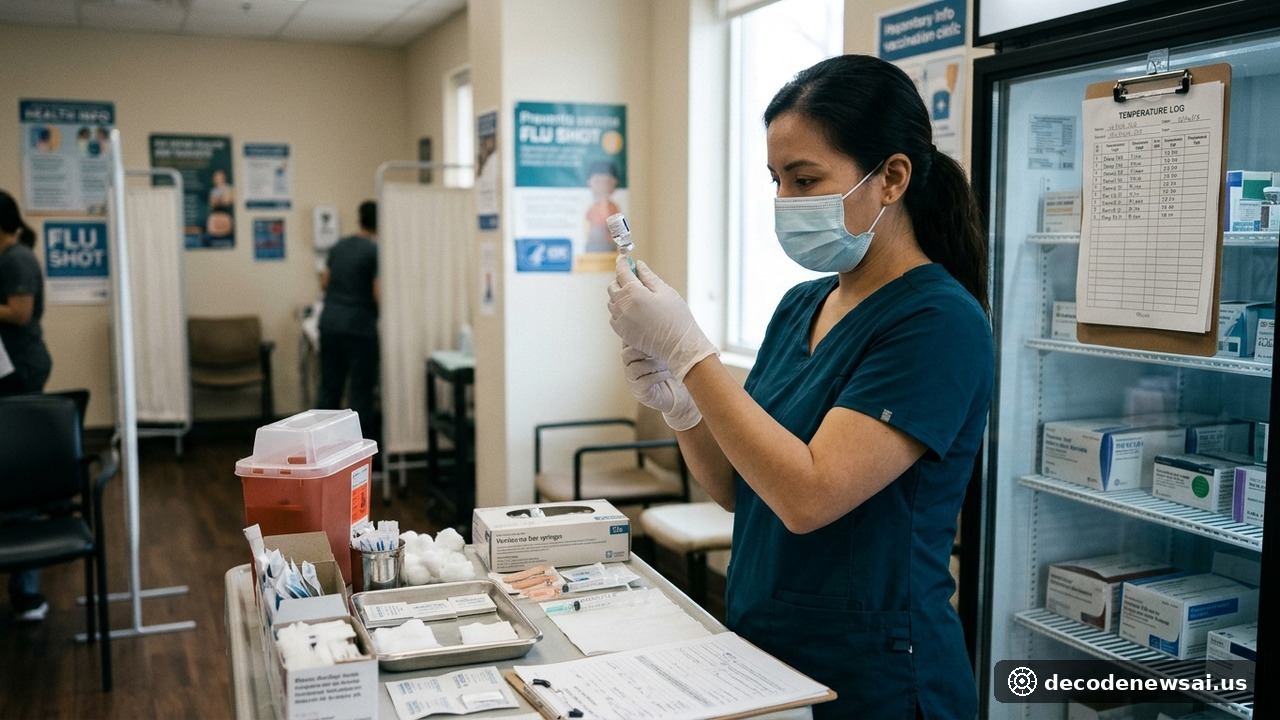
Public health agencies are expanding decentralized preventive access. Municipal health departments are integrating routine mpox immunization into existing outpatient clinics, community health centers, and sexual health screening facilities to minimize bureaucratic barriers and eliminate clinical stigma.
The CDC reaffirmed its commitment to sustained molecular genomic monitoring across federal reference laboratories. State virology teams will maintain routine whole-genome sequencing protocols to detect potential genetic mutations affecting antiviral susceptibility or diagnostic sensitivity, ensuring robust institutional preparedness against future transmission surges.
Immunization campaigns and coordinated surveillance remain vital
Public health epidemiologists emphasize that comprehensive immunization campaigns combined with community outreach remain vital to interrupting persistent transmission networks. Coordinated federal surveillance programs will continue providing real-time data to support localized intervention strategies and ensure equitable clinical resource distribution.
Clinical researchers emphasize that addressing localized infectious disease clusters requires sustained community engagement and transparent public education campaigns. Strengthening preventive clinical infrastructure ensures that vulnerable populations receive timely therapeutic interventions and equitable access to vital immunization resources during ongoing public health management cycles.