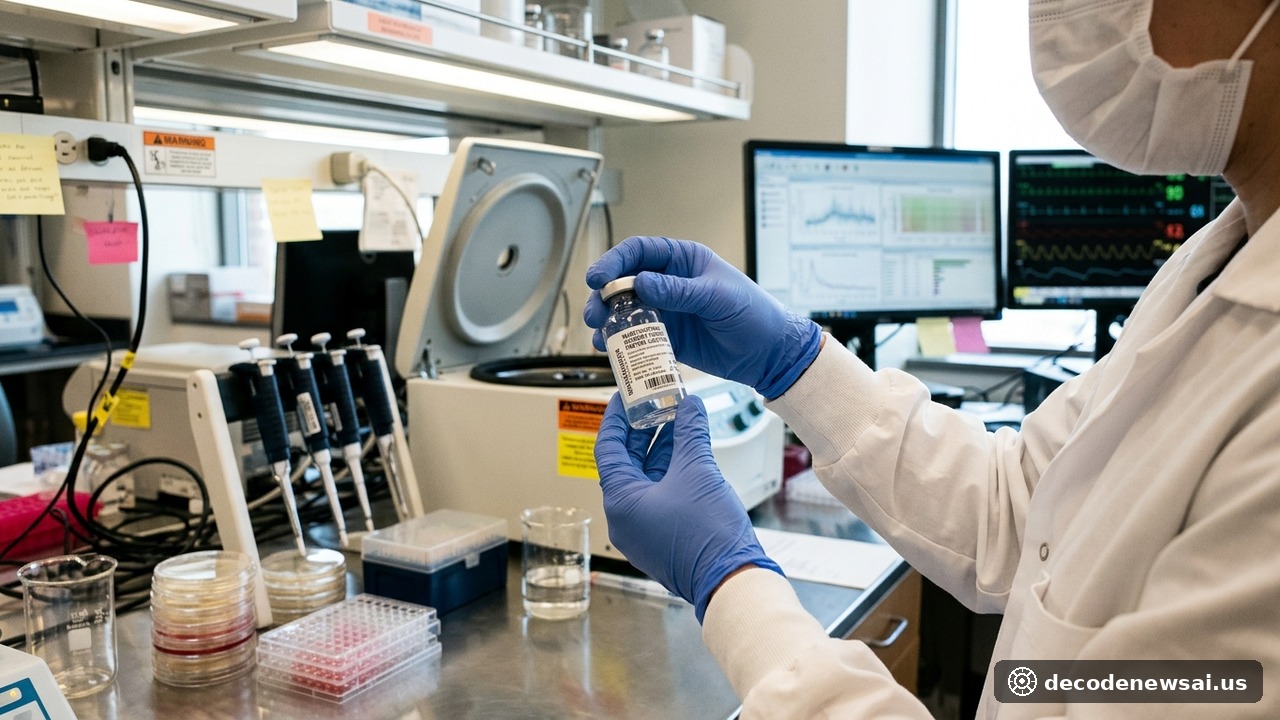
INDIANAPOLIS — Eli Lilly and Company published late-stage clinical data evaluating its investigational triple-hormone agonist retatrutide, confirming average weight loss of up to 30.3 percent among participants with obesity. The clinical readout represents a major efficacy milestone in next-generation metabolic therapeutics. The compound sustained body weight reductions across an 80-week registration study. Triple-Agonist Receptor Synergy Drives Metabolic Efficacy Retatrutide is an engineered peptide designated internally as LY3437943. Molecular targeting is highly coordinated. Unlike existing single- or dual-hormone therapies, the molecule stimulates three native metabolic pathways by binding to glucagon-like peptide-1 (GLP-1), glucose-dependent insulinotropic polypeptide (GIP), and glucagon receptors.
TRIUMPH Data Show Cardiometabolic Gains Near Surgery
The concurrent activation of three distinct receptors produces balanced systemic metabolic adjustments. Caloric expenditure increases markedly. GLP-1 and GIP signaling slows gastric motility and reinforces hypothalamic satiety signaling, while glucagon receptor activation accelerates hepatic lipid metabolism and increases basal energy expenditure.
The biological interplay produced substantial weight reduction across multi-site trials. Clinical results were unprecedented. Topline findings from the pivotal Phase 3 TRIUMPH trial program demonstrated that adult participants receiving the highest therapeutic dose—12 milligrams administered once weekly via subcutaneous injection—achieved mean weight reductions ranging from 28.3 percent to 30.3 percent at week 80. Cardiometabolic Parameter Reductions Approaching Surgical Interventions Beyond weight reduction, study participants demonstrated marked improvements across cardiovascular and glycemic biomarkers. Chronic risk factors retreated significantly. Clinical datasets showed substantial declines in glycated hemoglobin (HbA1c) levels, systolic blood pressure, and fasting blood triglycerides.
The therapeutic benefit was especially pronounced among obese patients with concurrent type 2 diabetes. Clinical metrics improved in tandem. A significant subset of high-dose recipients recorded body weight reductions exceeding 30 percent, establishing therapeutic outcomes approaching outcomes historically associated with bariatric surgical procedures.
Lilly Plans FDA Filing in First Quarter of 2027
The drug demonstrated an acceptable safety profile consistent with incretin-based treatments. Gastrointestinal complaints formed the predominant side effects. Events such as nausea, vomiting, and diarrhea occurred predominantly during early dose-escalation intervals, with overall discontinuation rates remaining comparable to approved dual-agonist treatments. Regulatory Submission Timelines and Global Market Horizon Eli Lilly is advancing extensive Phase 3 registration programs across multiple clinical indications. Global research centers are actively recruiting. The comprehensive TRIUMPH program encompasses TRIUMPH-1, the TRIUMPH-2 study evaluating obesity with diabetic complications, and the TRIUMPH-3 trial in severe obesity with cardiovascular disease.
Lilly executive clinical leadership emphasized the transformative potential of the compound during technical briefings. Lilly cardiovascular clinical executives noted: "The TRIUMPH trial data confirms the unique therapeutic leverage of triple-receptor modulation, offering patients with severe metabolic disease an unprecedented non-surgical therapeutic alternative."
Corporate leadership has formalized its international regulatory filing roadmap. Regulatory submissions are approaching. Following completion of remaining core clinical cohorts, Eli Lilly intends to submit an application for regulatory approval to the U.S. Food and Drug Administration in the first quarter of 2027, positioning the therapy to redefine commercial obesity care. Industrial Manufacturing Scaling and Global Incretin Competition The positive late-stage readout intensifies commercial competition across the global obesity therapeutics sector. Pipeline investments are accelerating. As dual-incretin therapies establish wide market acceptance, pharmaceutical developers are racing to demonstrate superior efficacy thresholds that can compete against traditional surgical interventions.
Lilly Expands Indiana and North Carolina Manufacturing
To support anticipated worldwide commercial demand, Eli Lilly is deploying substantial capital expenditure across its domestic manufacturing footprint. Peptide synthesis infrastructure is expanding. Production facilities in Indiana and North Carolina are adding dedicated sterile formulation and auto-injector assembly lines to avert potential retail supply constraints upon commercial launch.
Market analysts anticipate that retatrutide will represent a central pillar in future metabolic combination regimens. Clinical utility will expand. Healthcare economists expect the therapy to prompt revised clinical guidelines from endocrinology societies, establishing triple-receptor agonists as the primary pharmacological intervention for treatment-resistant obesity and associated metabolic dysfunctions.