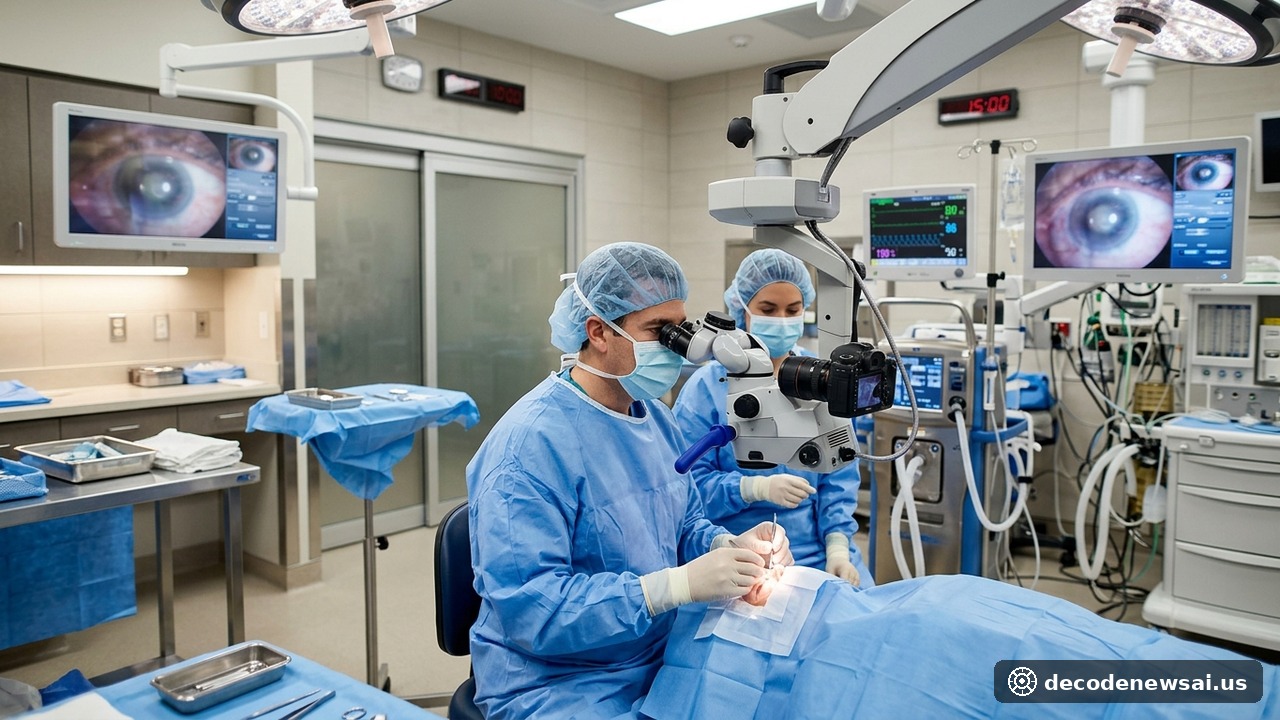
The American Heart Association alongside the American Stroke Association published the 2026 Guideline for Adult Stroke Rehabilitation and Recovery on Sunday during a clinical plenary session in Chicago. The revised clinical document represents the first comprehensive overhaul of post-acute cerebrovascular standard of care in a decade. Ultra-early multidisciplinary rehabilitation within the first day of stabilization is now established as a primary clinical mandate. Neurological standards across American hospitals face immediate realignment.
Robotic Exoskeleton and VR Therapy Validated by Trials
The revised evidence-based recommendations synthesized prospective clinical trial data compiled from cohorts exceeding 40,000 ischemic and hemorrhagic stroke patients. The expert panel concluded that once cardiovascular hemodynamics stabilize, structured multidisciplinary rehabilitation protocols must commence within 24 hours of hospital presentation. Initiating mobilization within this early therapeutic window reduces long-term functional motor disability rates. The imperative of timely therapeutic intervention received top clinical priority. Inpatient care protocols face restructuring.
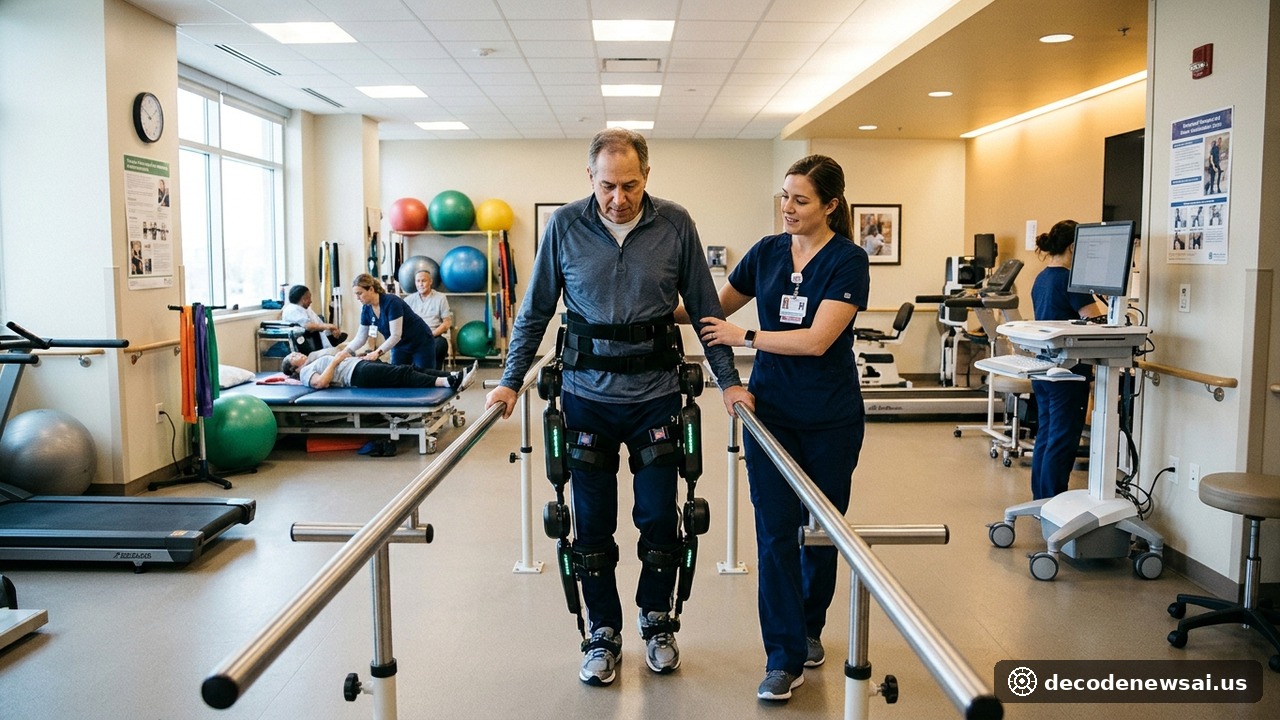
The guidance elevated formal clinical recommendations supporting robotic-assisted exoskeleton gait therapy and virtual reality neuromuscular feedback systems. Multisite randomized trials demonstrated that automated ambulatory training platforms accelerate lower extremity locomotor recovery milestones by approximately 30 percent compared to conventional therapy alone. Functional mobility recovery showed measurable acceleration. Assistive healthcare robotics achieved definitive validation.
Guideline writing committee chair Professor Pamela Duncan presented the core findings to assembled medical delegates during the scientific session. Duncan declared to clinicians: "Stroke recovery must never be treated as an elective afterthought following acute recanalization, and interdisciplinary rehabilitation must begin from the initial day of acute hospitalization." Her remarks received broad endorsement from the assembly.
Staffing Rules and 45-Day Insurance Coverage Proposed
The revised clinical recommendations establish rigorous staffing requirements across designated primary and comprehensive stroke care units. Licensed inpatient facilities must maintain continuous coverage from credentialed physical therapists alongside specialized speech-language pathologists. Early bedside mobilization metrics within intensive care environments will be incorporated into national accreditation audits. Hospital clinical staffing structures must expand accordingly across acute recovery units.
Regarding pharmacological interventions aimed at neural neuroplasticity, the guidelines downgraded routine prescriptions of historical neuroprotective agents. Contemporary peer-reviewed studies indicated that unproven neurotrophic compounds fail to demonstrate statistically meaningful improvements in functional independence scores. The expert consensus panel recommended concentrating clinical efforts upon glycemic control and evidence-based secondary prevention regimens. Pharmacotherapy recommendations achieved greater clarity.
Insurance reimbursement reform featured prominently as a critical systemic prerequisite for guideline execution. Writing committee members called upon the Centers for Medicare and Medicaid Services and private health insurers to liberalize coverage limits governing acute inpatient rehabilitation stays. Under the updated framework, authorized rehabilitation coverage for qualifying complex patients would expand from the traditional 21-day window to 45 covered inpatient days. Patient advocacy federations welcomed the proposed reimbursement revisions.
Hospitals Train Staff as Advocates Welcome New Framework
Academic hospital networks initiated administrative updates across institutional electronic medical record systems to reflect the updated rehabilitation protocols. Multidisciplinary clinical teams comprised of neurologists, physiatrists, and acute nursing personnel commenced hospital-wide training modules. Coordinated interdisciplinary morning rounds are becoming standard clinical practice. Quality consistency across regional healthcare facilities continues to improve.
Stroke survivor advocacy organizations commended the release of the updated clinical framework. Patient representatives emphasized that thousands of individuals historically missed optimal windows for neuroplastic recovery due to post-discharge referral delays and insurance authorization obstacles. Timely access to intensive therapy will enable thousands of survivors to regain functional independence and resume employment. The societal economic dividends are substantial.
The American Heart Association announced the rollout of educational implementation modules targeting primary care physicians and community health providers. Professional organizations will disseminate condensed clinical toolkits to accelerate guideline adoption across regional community hospitals. Comprehensive continuum-of-care networks are maturing rapidly. Community health networks continue to advance clinical outcomes across outpatient rehabilitation clinics.