The United States Food and Drug Administration (FDA) approved a crucial molecular diagnostic tool on November 9, 2026, granting 510(k) clearance to medical technology pioneer Cepheid for its automated multiplex viral hemorrhagic fever diagnostic cartridge. Designed to run on the widely deployed GeneXpert testing system, the Xpert Ebola/Marburg/Sudan Multiplex assay delivers definitive automated polymerase chain reaction (PCR) results in under 90 minutes. The point-of-care test differentiates between Zaire ebolavirus, Sudan ebolavirus, and Marburg virus from a single whole-blood capillary or venous sample.
Cartridge enables BSL-4-free filovirus testing
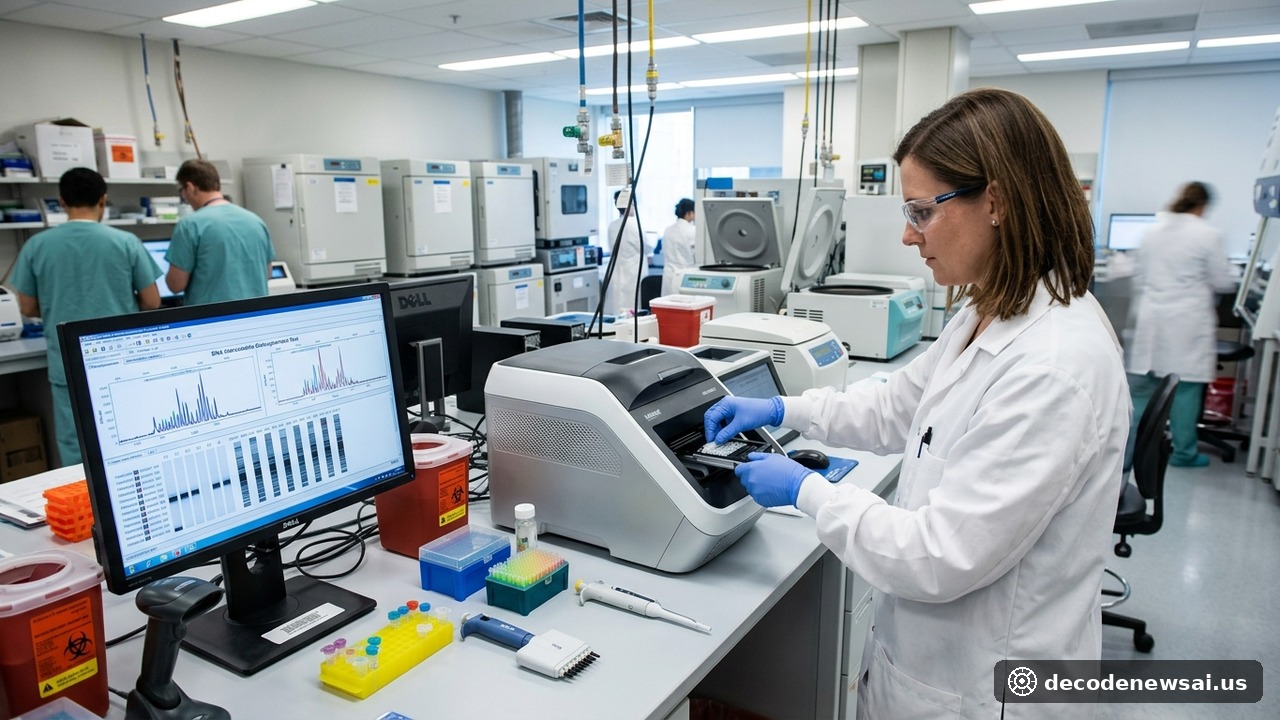
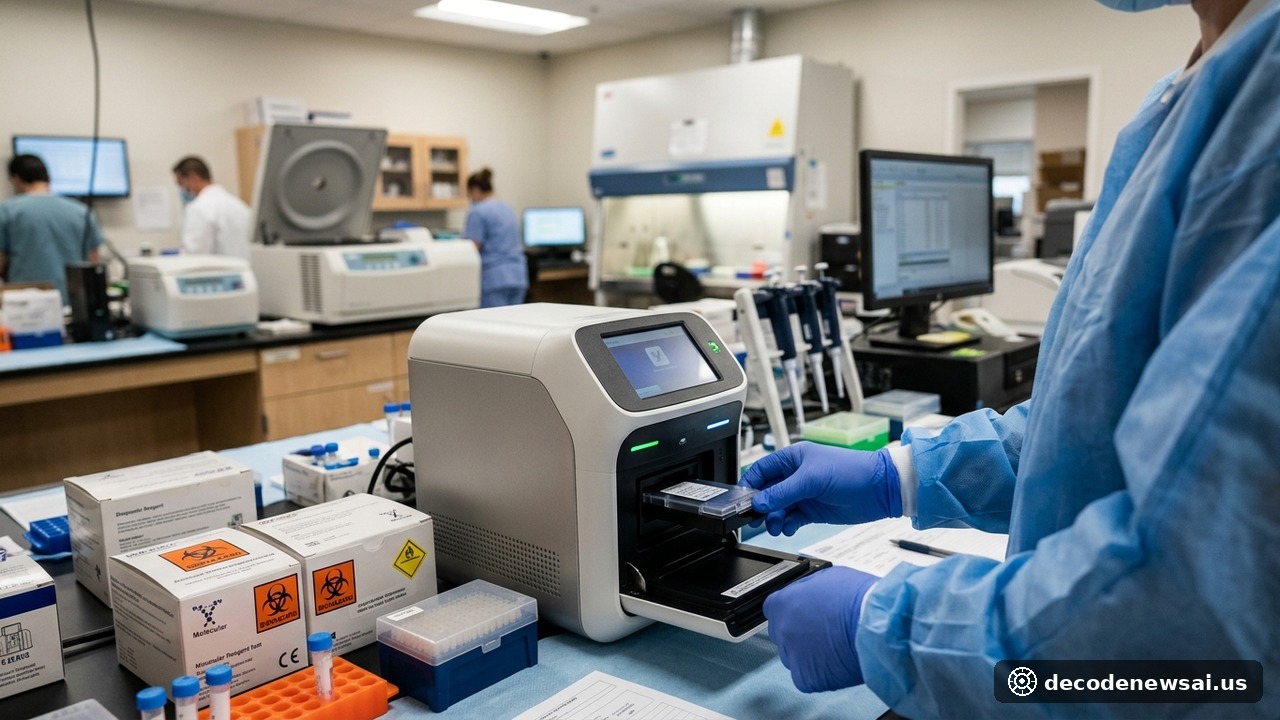
The automated cartridge format represents a technological paradigm shift for biocontainment diagnostics. Historically, confirming viral hemorrhagic fevers required specialized Biosafety Level 4 (BSL-4) containment facilities, necessitating hazardous specimen transport and multi-day turnaround intervals. In contrast, the self-contained cartridge automates specimen lysis, nucleic acid magnetic bead extraction, and real-time reverse transcription PCR within an uncompromised closed fluidic circuit.
Hospital laboratory personnel and frontline healthcare responders can perform testing without complex manual pipetting or exposure to uncontained bioaerosols. The fully integrated system eliminates contamination risks while providing clinical teams with rapid diagnostic clarity during patient intake triage.
Regulatory clearance coincides with heightened vigilance across global public health agencies following sporadic outbreaks of Marburg virus disease and Ebola virus variants across Central and East Africa throughout 2026. Because initial clinical symptoms of hemorrhagic fevers mirror endemic tropical illnesses such as falciparum malaria and typhoid fever, early diagnostic ambiguity historically resulted in catastrophic nosocomial transmission within healthcare centers.
Trials show 99.4% concordance and Dr. Tarver's remarks
Pre-market clinical trials conducted across independent reference laboratories demonstrated exceptional analytical sensitivity. The multiplex assay achieved a limit of detection below 100 genomic copies per milliliter across all target filovirus strains, recording an overall clinical concordance rate of 99.4% against complex genomic sequencing benchmarks.
In an official public announcement issued from the agency's headquarters in White Oak, Maryland, Dr. Michelle Tarver, Director of the FDA's Center for Devices and Radiological Health (CDRH), emphasized the indispensable role of rapid diagnostics in preventing hospital-acquired outbreaks. Dr. Tarver stated: "Rapid molecular diagnostics are indispensable tools to protect healthcare workers and contain deadly viral pathogens at the earliest point of clinical presentation."
Public health leaders from the World Health Organization (WHO) and regional disease control centers welcomed the clearance. Rapid availability of bedside filovirus testing enables early therapeutic intervention with antiviral monoclonal antibodies before systemic hemorrhagic shock ensues. Deploying decentralized molecular cartridges reinforces international biological defense networks at vulnerable clinical entry points.
Experts say rapid bedside testing cuts diagnostic delays
Infectious disease specialists and clinical diagnostic laboratory directors stressed that rapid bedside molecular testing is vital for containing filovirus transmission in healthcare settings. Decentralizing high-sensitivity polymerase chain reaction diagnostics from distant regional reference laboratories directly into frontline hospitals minimizes diagnostic delays from several days to under two hours. Rapid differential identification between Marburg virus and Ebola virus strains enables clinical teams to initiate pathogen-specific therapeutic protocols and contact tracing immediately. Global health authorities anticipate that wider international deployment of automated diagnostic cartridges will substantially mitigate hospital-acquired infection risks during future sporadic hemorrhagic fever outbreaks.
Frontline clinical epidemiologists and hospital infection control directors underscored that rapid decentralized diagnostics are essential for halting nosocomial transmission chains before hospital units become amplification points. The operational deployment of fully automated sample-to-answer molecular test cartridges eliminates the logistical bottlenecks associated with cold-chain specimen transport to centralized biosecurity reference laboratories. Healthcare systems evaluating the GeneXpert platform emphasized that standardized testing protocols allow community clinical staff to perform high-complexity molecular assays with minimal specialized training. Federal regulatory authorization of the multiplex filovirus cartridge provides international disaster relief agencies with a standardized diagnostic tool capable of immediate deployment across rural and remote outbreak hotspots.