The United States Food and Drug Administration issued a formal Drug Safety Communication on Monday, November 9, 2026. The regulatory directive requires manufacturers of glucagon-like peptide-1 receptor agonists to update product prescribing information across the entire medication class. Drug companies must add comprehensive warnings detailing the potential risk of non-arteritic anterior ischemic optic neuropathy.
Scope Covers Blockbuster Obesity and Diabetes Therapies
The mandatory labeling revision applies to all FDA-approved GLP-1 receptor agonist formulations marketed across the United States. Affected therapies include popular semaglutide products such as Wegovy and Ozempic, alongside tirzepatide products including Zepbound and Mounjaro. All commercial manufacturers must implement standardized warning text.
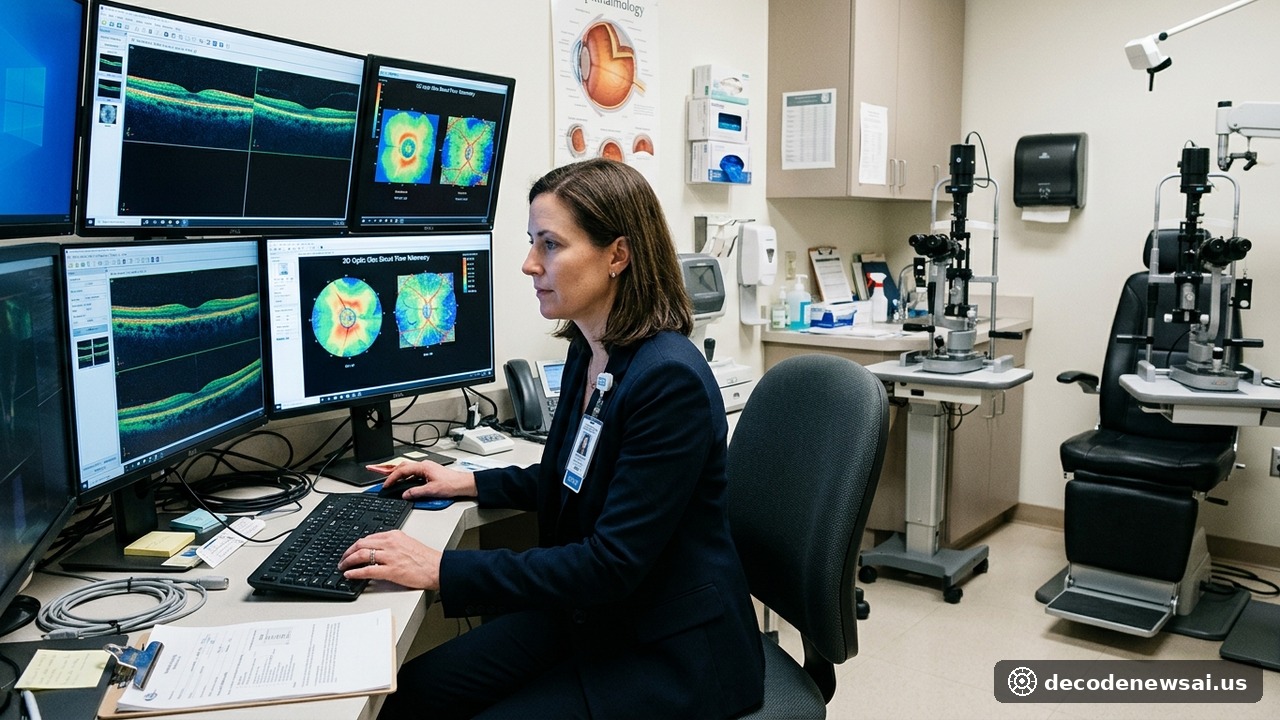
The FDA bulletin explained the clinical presentation of NAION. The vascular condition represents a rare ophthalmologic complication characterized by sudden, painless loss of vision in one eye. The disorder occurs when microvascular circulation supplying the optic nerve head becomes acutely compromised, creating permanent visual field deficits.
The FDA's Center for Drug Evaluation and Research stated the safety advisory directly: "The U.S. Food and Drug Administration is informing patients and health care providers of a potential increased risk of NAION associated with use of GLP-1 receptor agonist medications." Federal health officials urged clinical vigilance.
Statistical Evaluation of 126 Clinical Trials and 134,253 Patients
The agency's regulatory mandate followed an extensive safety meta-analysis conducted by federal epidemiologists. Regulators examined data from 126 randomized clinical trials involving 134,253 participants. The analysis identified an incidence rate of 6.4 cases per 100,000 person-years among patients receiving GLP-1 receptor agonists.
In contrast, patients in non-GLP-1 comparator groups recorded an incidence rate of 3.8 cases per 100,000 person-years. Although the absolute incidence of the eye condition remains low, statistical associations across clinical trials and postmarketing safety surveillance registries prompted the regulatory action.
Federal examiners noted that the epidemiological findings reflect the pharmacological drug class collectively. The current surveillance data does not establish product-specific risk variations between individual chemical compounds or commercial brands.
Guidance for Healthcare Providers and Prescribing Protocols
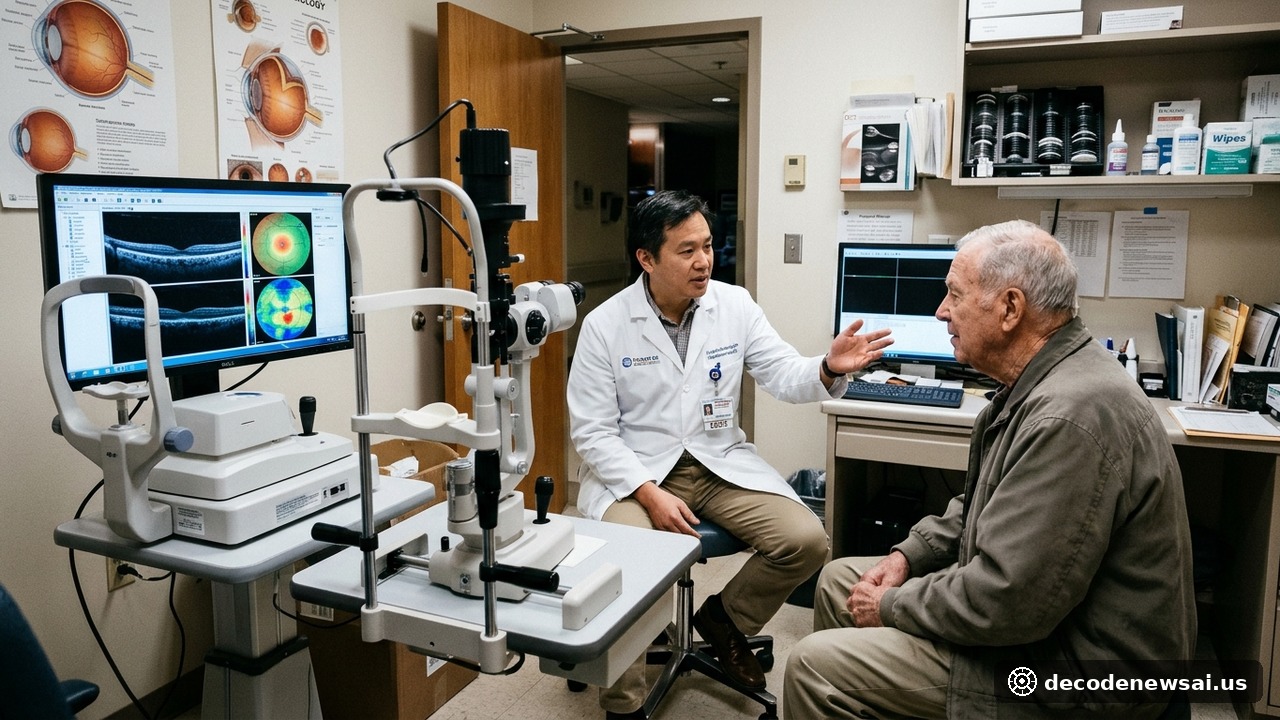
The FDA outlined specific clinical practice recommendations for physicians and patients currently utilizing GLP-1 therapies. The agency advised patients not to discontinue prescribed medications abruptly without consulting their healthcare providers. However, individuals experiencing sudden vision changes must seek immediate ophthalmic evaluation.
Prescribing endocrinologists and ophthalmologists are instructed to evaluate suspected NAION symptoms promptly. If diagnostic examinations confirm optic nerve ischemia, clinicians should weigh the benefits and risks of continued therapy and consider discontinuing the medication.
Professional medical organizations, including the American Academy of Ophthalmology, began drafting updated clinical screening protocols. Major pharmaceutical manufacturers pledged to submit revised packaging documentation to federal regulators within the established compliance timeframe. The advisory reinforces rigorous surveillance standards across blockbuster metabolic therapeutics.
Clinical ophthalmology researchers and endocrinology specialists emphasized that prompt multi-disciplinary communication remains essential for managing potential microvascular adverse events in metabolic medicine. While modern GLP-1 receptor agonists provide substantial therapeutic benefits for glycemic regulation and cardiovascular risk reduction, comprehensive warning labeling empowers clinicians to conduct vigilant baseline ophthalmic evaluations. Healthcare providers are encouraged to discuss personal microvascular risk profiles with patients initiating therapy while remaining attentive to acute visual field anomalies during follow-up consultations. Ongoing post-marketing clinical registries and pharmacovigilance tracking will continue gathering long-term epidemiological data to elucidate the biological mechanisms underlying ischemic optic nerve conditions. Medical researchers emphasize that clinical awareness and standardized safety documentation ensure that patients receiving modern metabolic therapies maintain high standards of comprehensive care. Continuous pharmacovigilance tracking and regulatory oversight ensure that emerging drug safety data inform clinical guidelines and patient counseling standards.