BERLIN - German Chancellor Friedrich Merz formally announced on Monday, November 9, that the governing conservative coalition has selected Ilse Aigner as its official candidate for Federal President. Aigner is the 61-year-old president of the Bavarian state parliament. If confirmed by the Federal Convention on January 30, 2027, Aigner will make history. She would be the first woman to serve as Germany's head of state since the founding of the Federal Republic. Political leaders across Berlin praised the historic consensus behind her nomination.
Aigner's career and unifying vision for presidency
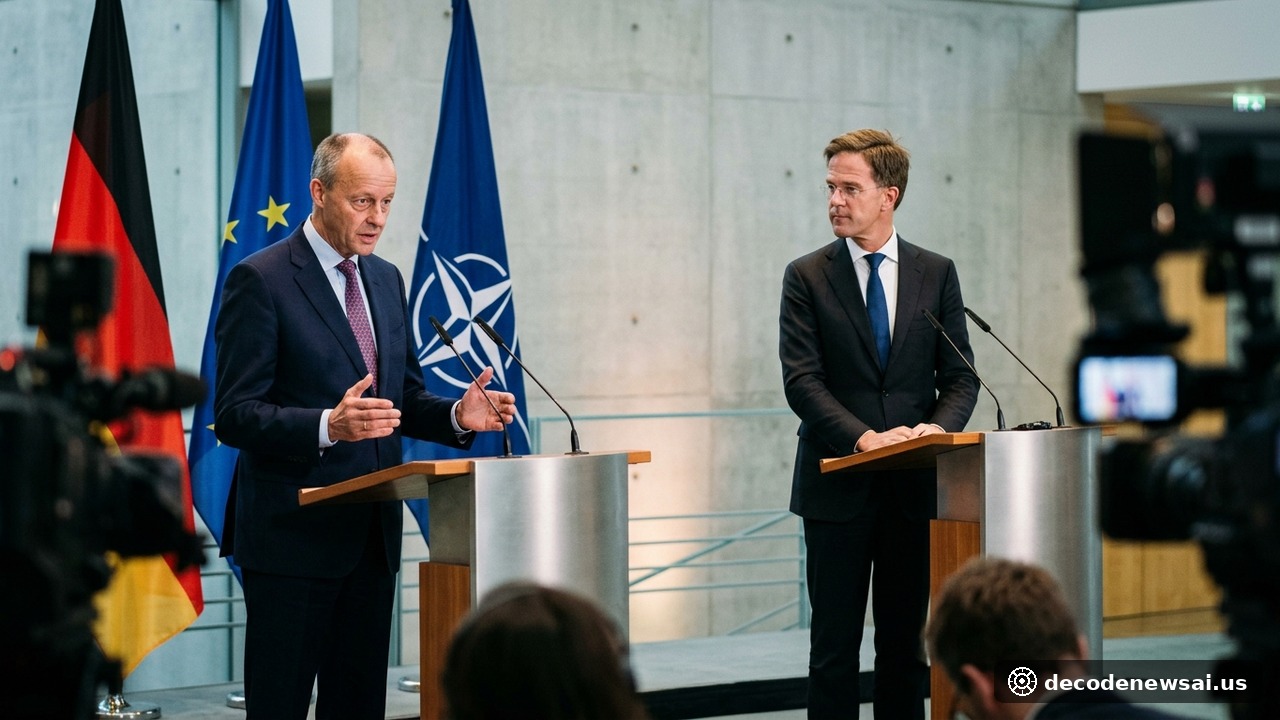
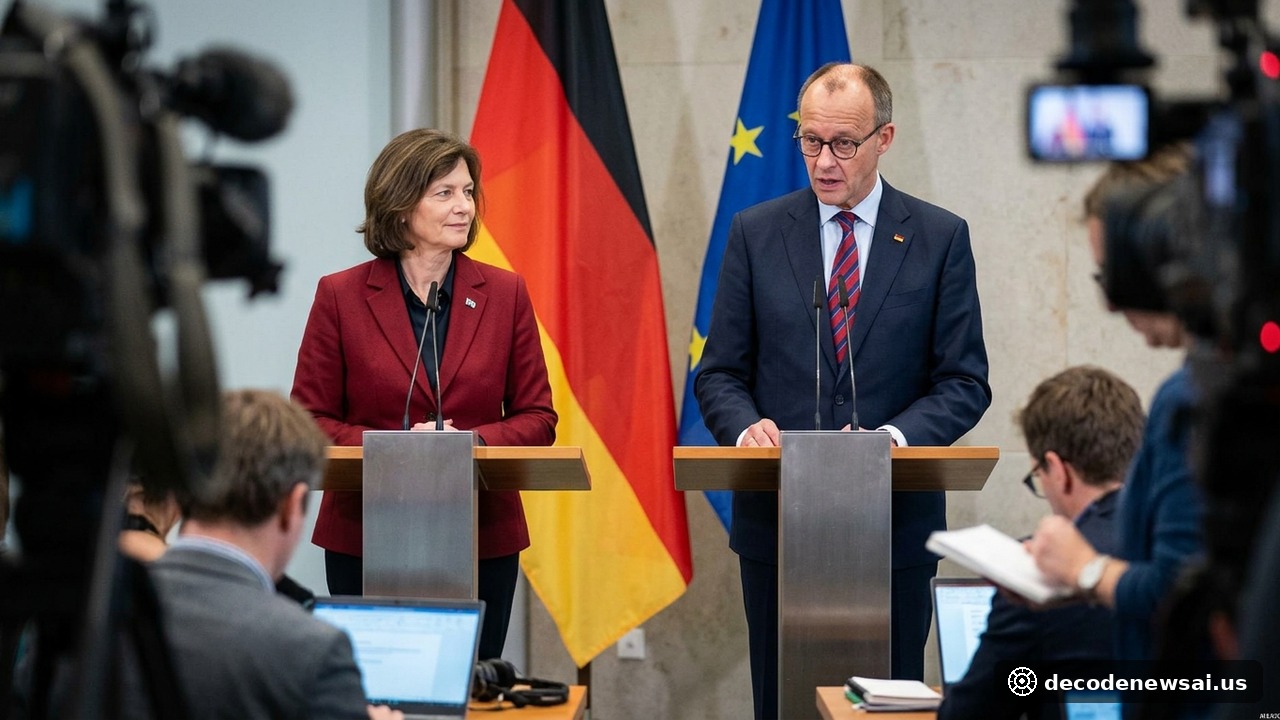
The announcement was orchestrated by Merz and his Christian Democratic Union alongside its Bavarian sister party, the Christian Social Union. Speaking alongside Aigner during an afternoon press conference in Berlin, Chancellor Merz praised her extensive public service across regional and federal offices. Merz stated publicly during the briefing: "From my point of view, it is high time for a woman to hold this highest office for the first time."
Aigner began her professional career as an electrical systems engineering technician with Eurocopter before entering politics. Elected to the Bundestag in 1998, she served as Federal Minister of Food, Agriculture and Consumer Protection under former Chancellor Angela Merkel between 2008 and 2013. Aigner returned to Bavarian state politics in 2013. She assumed the presidency of the Bavarian Landtag in 2018.
Aigner outlined her unifying vision for the presidency before reporters on Monday. She stated directly: "I am in politics to overcome divisions, bring people together, and reach those who may feel marginalised." She reaffirmed her commitment to defending constitutional democracy and human dignity against growing political polarization.
Federal Convention vote and cross-party backing for Aigner
The Federal Convention convenes on January 30, 2027, to elect a successor to President Frank-Walter Steinmeier. His second five-year term concludes on March 18, 2027. The assembly comprises 1,260 electors, evenly divided between 630 Bundestag parliamentarians and 630 delegates nominated by Germany's 16 federal states. A candidate requires an absolute majority across the first two rounds of balloting.
The nomination secured immediate backing from Chancellor Merz's coalition partner, the Social Democratic Party. SPD co-leader Lars Klingbeil characterized Aigner as an integrative leader capable of bridging ideological divides. The opposition Alliance 90/The Greens also endorsed her candidacy in a letter to caucus members. That guarantees her nomination a commanding mathematical majority within the convention. The far-right Alternative for Germany criticized the choice, confirming plans to field a rival candidate.
The German federal presidency is primarily a ceremonial office responsible for signing legislation and appointing ministers. The president provides an essential moral compass during national crises. European partners welcomed the nomination as a signal of institutional stability across Europe's largest democracy.
Cross-party coalition and Aigner's moral diplomatic role
The cross-party endorsement unites the Christian Democrats, the Bavarian Christian Social Union, the Social Democrats, and the Greens. It represents an unprecedented political coalition designed to protect German democratic institutions. Analysts across European foreign policy institutes noted that Aigner's consensus candidacy establishes a dependable bulwark against populist electoral surges across eastern federal states. By consolidating backing across traditional governing blocs, Chancellor Merz effectively neutralized legislative obstruction while honoring coalition commitments to advance gender equality across top federal constitutional positions.
International diplomatic observers emphasized that Germany's head of state plays an essential moral and diplomatic role during periods of European security upheaval. As president, Aigner will lead official state visits and represent the Federal Republic across international multilateral assemblies. She will also provide constitutional oversight over federal legislative enactments. Representatives from the European Parliament and diplomatic missions across Berlin welcomed the announcement as a reaffirmation of Germany's steadfast commitment to European integration and democratic governance.
Political science scholars at Humboldt University emphasized that Germany's constitutional structure relies heavily on the president's moral authority during complex legislative transitions. Aigner's appointment signals broad institutional dedication toward consensus-building as European democracies navigate evolving domestic economic priorities and international diplomatic alignments. The Federal Convention vote in Berlin is anticipated to confirm her historic presidency with broad cross-bench backing.