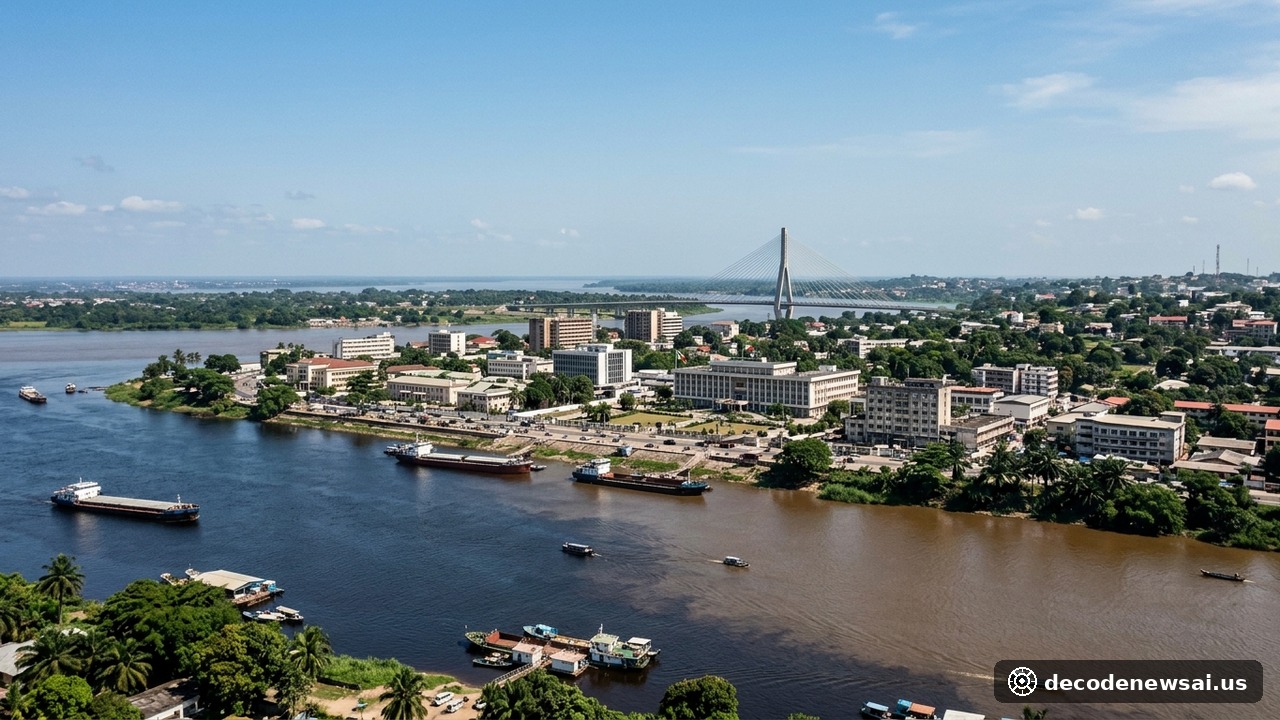
The World Bank officially released its comprehensive macroeconomic economic memorandum for the Republic of Congo on Tuesday, November 10, 2026, forecasting real gross domestic product growth of 4.4% for the 2026 calendar year. Boosted by sustained international hydrocarbon commodity prices, national fiscal balances are projected to improve from 0.6% of gross domestic product in 2025 to 3.7% in 2026, while domestic inflation is anticipated to rise moderately to 3.8%. The multilateral development report emphasized that national authorities must utilize current petroleum revenue windfalls to systematically clear domestic arrears and reinforce sovereign financial governance.
World Bank urges clearing arrears with oil revenue windfalls
Hydrocarbon sector expansion and stable maritime export volumes have delivered substantial revenue windfalls to national balance sheets. The World Bank analysis indicated that sovereign cash reserves provide a critical window to resolve domestic structural imbalances.
During a formal briefing presentation in Brazzaville on Tuesday, an executive economic director for Central Africa at the World Bank presented key policy findings. The official stated: "Favorable international commodity realizations create an unprecedented strategic window to clear verified arrears and restore liquidity across local commercial markets. Disciplined expenditure frameworks and rigorous debt administration represent the indispensable foundations for inclusive private sector expansion."
The report emphasized that protracted public sector payment delays severely constrain commercial banks and local contractors across urban centers. Arrears reduction is essential to unlock commercial lending and support employment creation in non-oil sectors.
Growth to moderate to 3.7% as crude prices normalize
Economic projections indicate that as global crude benchmarks normalize between 2027 and 2028, real GDP growth across the Congolese economy will moderate to an average annual pace of 3.7%, with fiscal balances compressing to 2.3% of GDP.
Multilateral development economists commended the statutory adoption of digitized public accounting frameworks, urging sustained institutional momentum. Accelerating structural diversification into sustainable agriculture, forestry processing, and multimodal inland waterway transport will insulate national accounts from cyclical commodity downturns.
In addition, development finance economists and regional governance fellows noted that eliminating structural arrears restores commercial solvency across domestic supply networks. By institutionalizing predictable debt servicing schedules and transparent treasury accounting, frontier emerging economies protect essential social safety nets and attract sustained foreign direct investment. Multilateral finance institutions look forward to collaborating with regional economic commissions to advance lasting economic resilience.
Economists link arrears clearance to banking liquidity revival
In addition, sovereign debt researchers and macroeconomic development specialists emphasized that utilizing commodity revenue surpluses to extinguish accumulated commercial arrears revitalizes domestic banking sector liquidity. When local contractors receive overdue state disbursements, commercial lending resumes and corporate employment stabilizes across non-resource municipal sectors. Multilateral institutions commended the Congolese government for adopting transparent public finance management frameworks.
Furthermore, natural resource economists noted that investing hydrocarbon windfalls into diversified transport infrastructure and agricultural cooperatives builds enduring macroeconomic resilience against future commodity price declines. Multilateral development partners reaffirmed their commitment to providing concessional financing to support sustainable economic transformation across Central African emerging economies.
In conclusion, multilateral finance economists and sovereign debt researchers reiterated that clearing accumulated commercial arrears provides an indispensable catalyst for sustainable private sector job creation. Development partners look forward to supporting fiscal governance reforms that unlock broad-based prosperity across the Republic of Congo.
Analysts back predictable debt settlement for Central Africa
Moreover, regional development economists and international trade researchers emphasized that establishing predictable commercial debt settlement mechanisms revitalizes municipal contracting sectors across Central Africa. Sustained structural diversification beyond primary hydrocarbon extraction provides an enduring economic foundation for inclusive national prosperity. International development banks and multilateral finance institutions remain dedicated to supporting structural economic governance reforms across the region. International economic institutions and sovereign finance analysts remain dedicated to advancing transparent public financial management and sustainable fiscal stability.