The U.S. Food and Drug Administration issued a comprehensive Drug Safety Communication on November 9, 2026, warning healthcare professionals and patients about a potential increased risk of non-arteritic anterior ischemic optic neuropathy associated with glucagon-like peptide-1 receptor agonist medications. The regulatory directive mandates that pharmaceutical manufacturers update the Warnings and Precautions section across all approved GLP-1 drug labels. NAION is a rare ophthalmologic condition that can cause sudden, painless loss of vision in one eye, including permanent visual impairment. The label revisions impact prominent therapies prescribed to millions of patients nationwide.
FDA explains NAION symptoms and label changes
GLP-1 receptor agonists have expanded rapidly in clinical medicine to manage type 2 diabetes and promote weight management. Widely used treatments include semaglutide products manufactured by Novo Nordisk and tirzepatide therapies produced by Eli Lilly. The FDA ordered the class-wide labeling changes following detailed evaluations of post-marketing adverse event registries and published clinical observational reports.
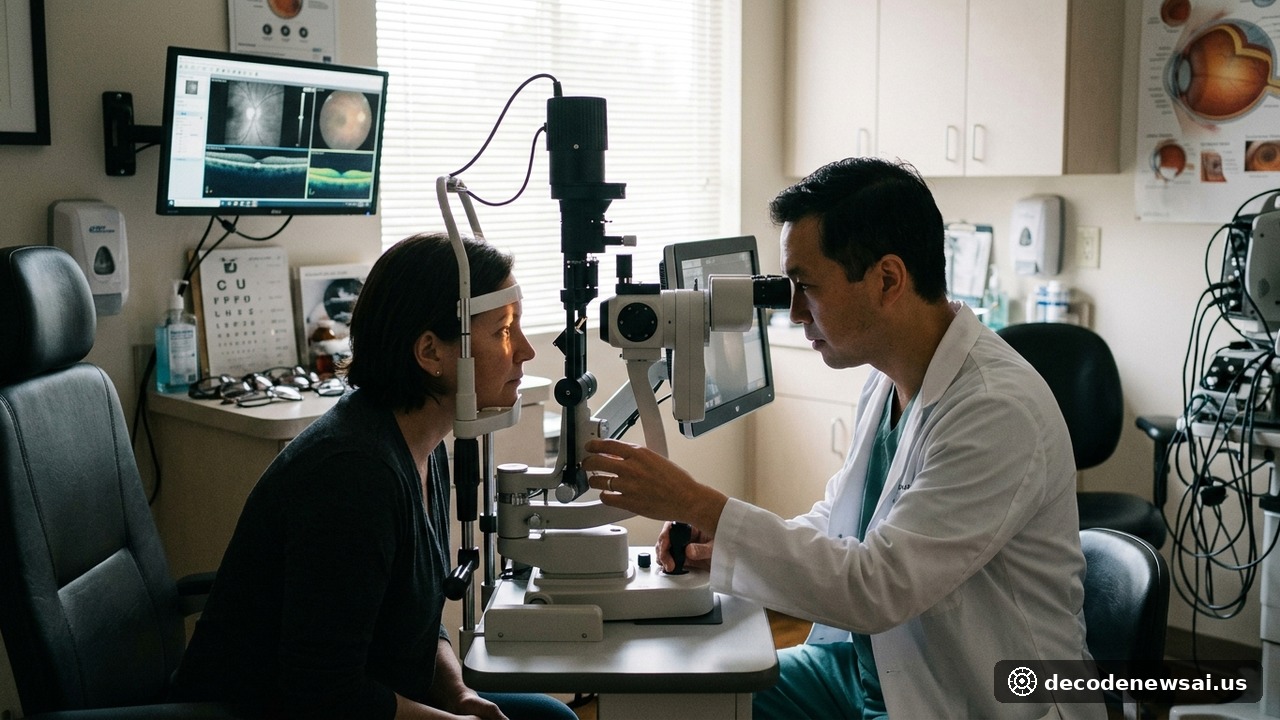
According to agency diagnostic briefings, NAION occurs when localized blood flow to the optic disc in the anterior portion of the optic nerve becomes compromised. Patients frequently notice sudden visual impairment upon waking in the morning. Symptoms encompass blurred vision, visual field defects such as blind spots or tunnel vision, color perception distortion, and marked reductions in central visual sharpness.
Federal regulators instructed all manufacturers of branded and generic formulations to incorporate explicit language detailing the clinical manifestation of NAION. The updated warnings direct prescribers to evaluate baseline risk profiles before initiating pharmacotherapy.
FDA advises patients on visual changes and risks
The FDA outlined specific operational guidelines for patients currently undergoing GLP-1 therapy. Individuals who experience acute, painless visual changes or missing visual quadrants are instructed to contact eye care specialists immediately.
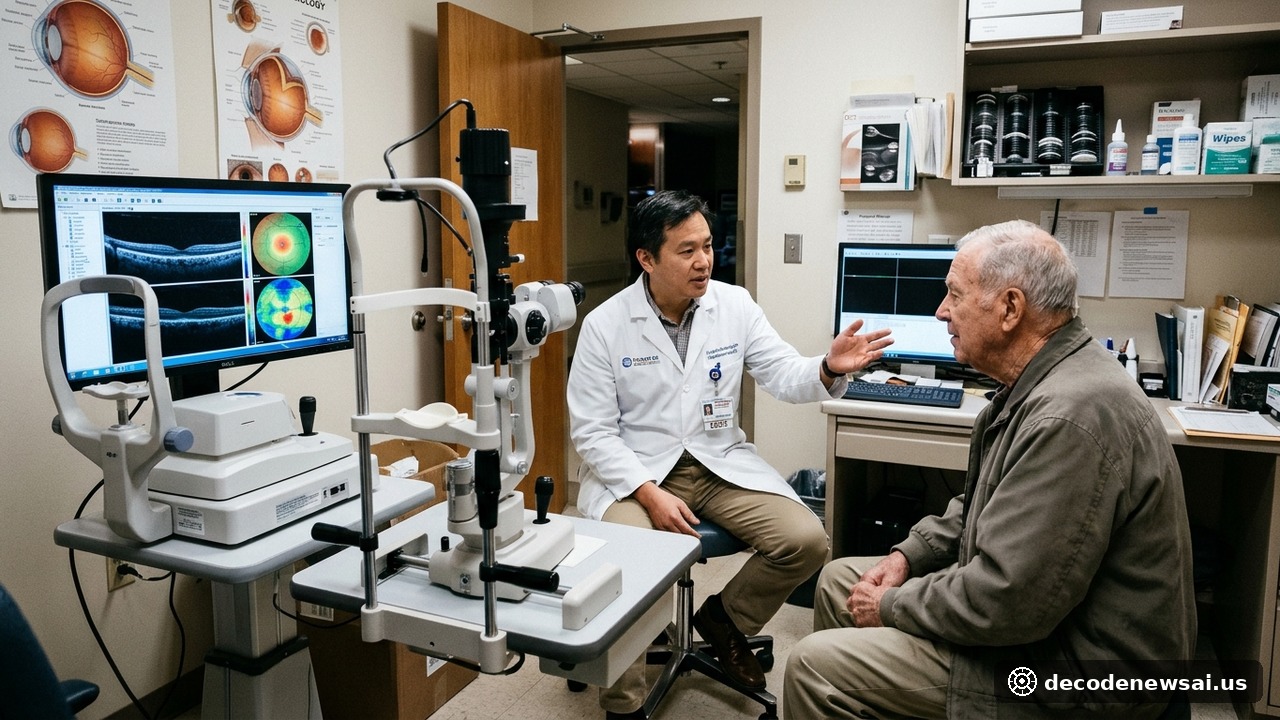
Speaking from agency headquarters in Silver Spring, Maryland, a senior clinical regulatory officer within the FDA's Center for Drug Evaluation and Research underlined the importance of prompt diagnosis. The official stated: "Patients and healthcare providers must remain vigilant regarding this rare but serious adverse event, and any acute visual deterioration warrants immediate clinical reassessment regarding treatment continuation."
Clinical neuro-ophthalmologists highlighted that pre-existing microvascular risk factors contribute significantly to NAION vulnerability. Systemic hypertension, diabetes mellitus, hyperlipidemia, obstructive sleep apnea, and cigarette smoking are recognized clinical predispositions. Clinical data show that individuals who develop NAION in one eye face an increased susceptibility of bilateral involvement in the contralateral eye.
Manufacturers comply as endocrinologists warn against stopping
Major pharmaceutical manufacturers issued public statements confirming full compliance with the FDA's revised labeling mandates. Manufacturers emphasized that while patient safety is paramount, large randomized clinical trials comprising tens of thousands of participants demonstrated that absolute incidence rates remain low.
Endocrinology associations cautioned patients against abruptly terminating prescribed regimens without medical consultation. Unsupervised discontinuation can provoke immediate glycemic instability and metabolic disruption. The FDA will coordinate with professional ophthalmic registries to monitor nationwide diagnostic trends.
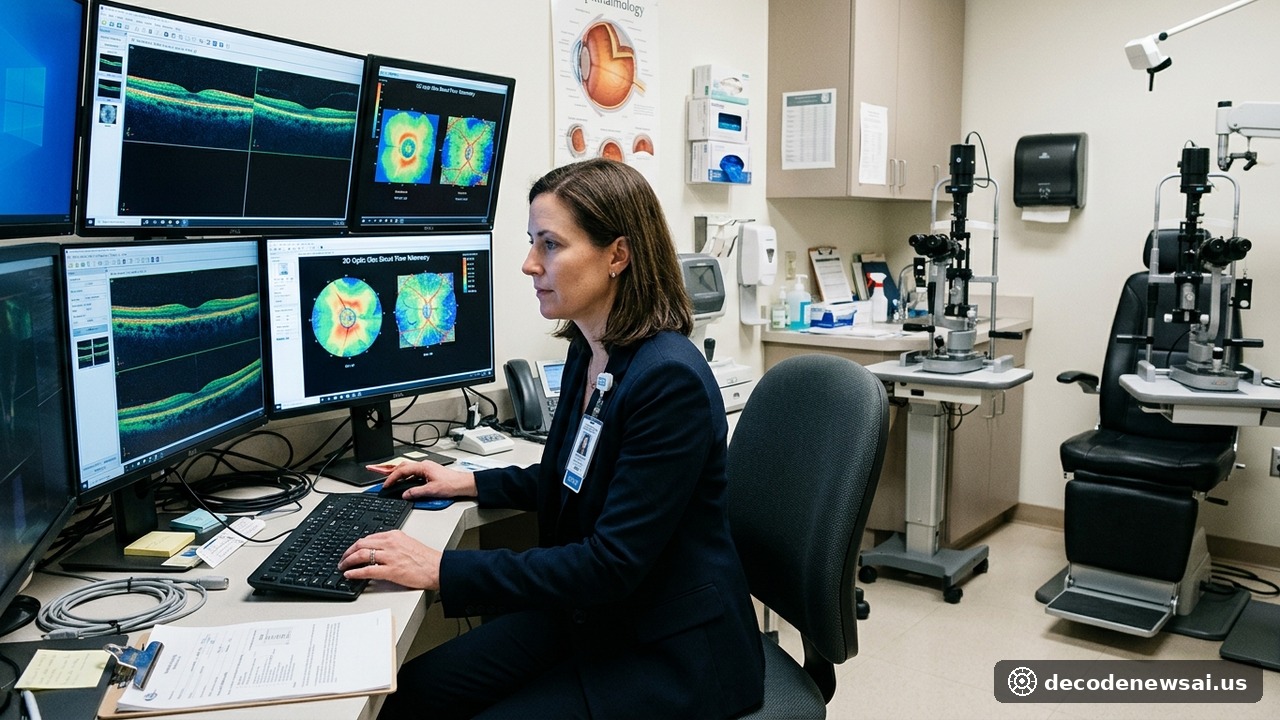
Clinical endocrinologists and neuro-ophthalmic research specialists emphasized that adding explicit safety warnings regarding NAION ensures that healthcare providers maintain vigilant diagnostic awareness. Because GLP-1 receptor agonist medications are prescribed across extensive patient populations for diabetes management and weight regulation, clear clinical guidance regarding rare visual symptoms protects patient welfare. Medical professional societies and diabetes advocacy organizations urged patients experiencing sudden visual sharpness changes or visual field deficits to seek immediate comprehensive ophthalmologic evaluations. Pharmaceutical regulatory affairs teams confirmed that updated prescribing documentation is being distributed across hospital pharmacies and clinical practices nationwide to ensure complete regulatory compliance. Clinical researchers noted that ongoing post-marketing surveillance and collaborative ophthalmic registry studies will provide deeper insights into optic nerve microvascular dynamics during metabolic pharmacotherapy.
Advocates stress transparent risk communication for patients
Moreover, clinical epidemiologists and patient safety advocates reiterated that transparent risk communication empowers patients to recognize early microvascular warning signs without causing unneeded treatment disruptions across general populations. Healthcare providers will continue monitoring international safety data registries to refine evidence-based clinical protocols.