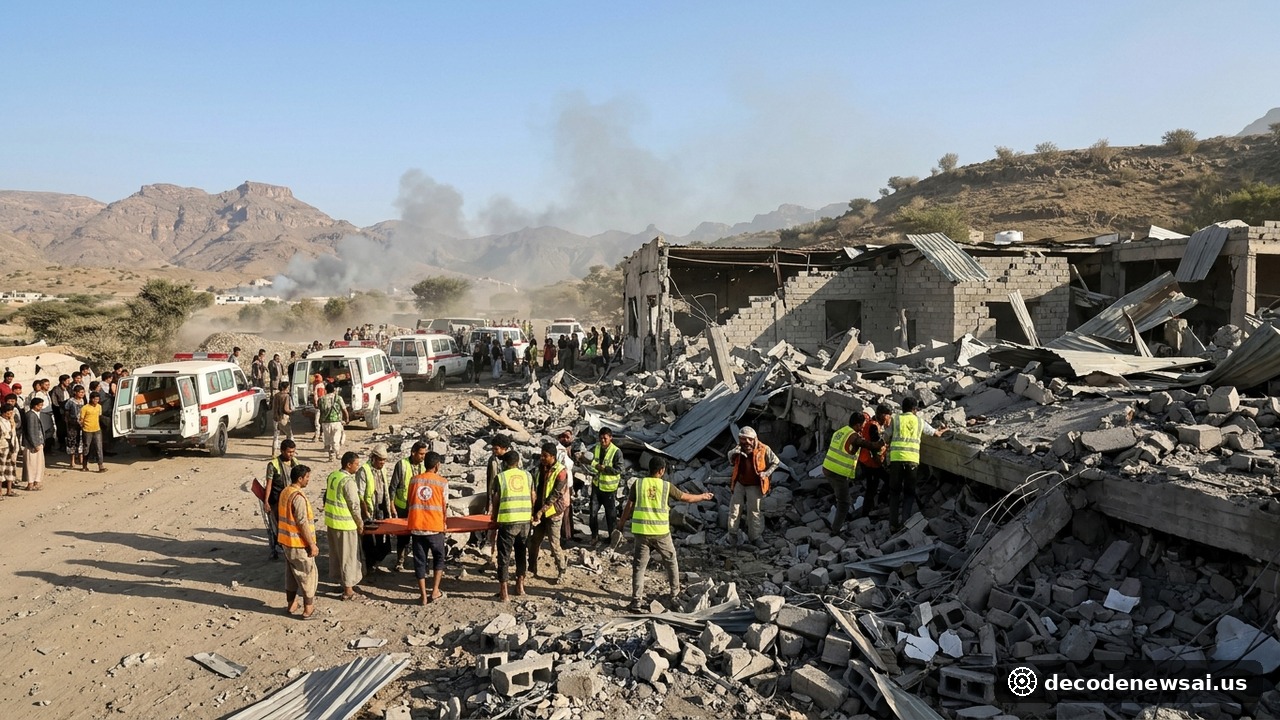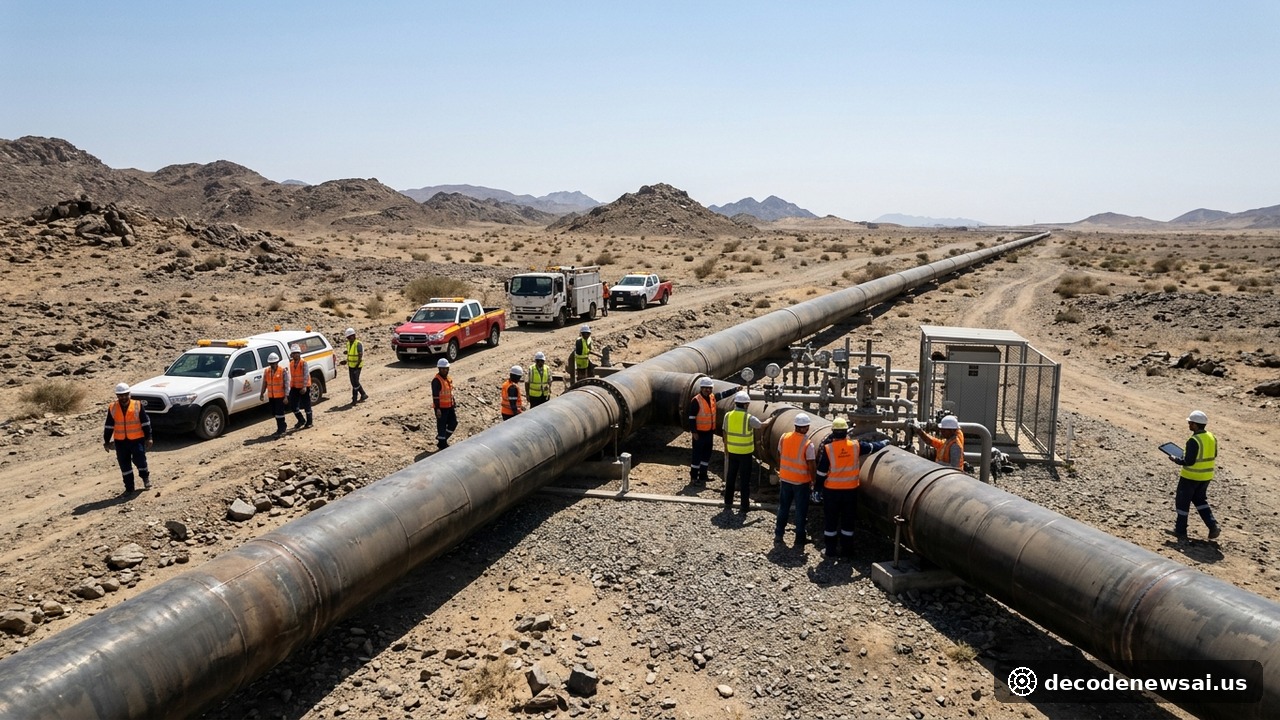
Saudi Arabia's Energy Ministry issued an official statement on Monday, November 9, 2026. Authorities confirmed that a section of the East-West crude oil pipeline was struck in the western Medina region. Emergency response teams brought the fire under control. Officials confirmed there were no injuries or fatalities. Pipeline operations continued without disruption.
Pipeline Fire Extinguished and Crude Flows Continue
The state-run Saudi Press Agency reported that technical crews secured the facility. The East-West crude pipeline links the kingdom's eastern oil fields to the Red Sea port of Yanbu. It is a critical energy bypass. The line carries approximately 4 million barrels per day. It bypasses the Strait of Hormuz during heightened maritime tension.
Specialized technical personnel were dispatched immediately to the affected area. Crews contained the localized flames and inspected adjacent valves. An Energy Ministry official underscored the operational stability: "Emergency response teams successfully brought the limited fire under control, and pipeline flows remain unaffected."
The pipeline accounts for nearly 4% of global crude oil consumption. Any protracted shutdown would severely disrupt international energy logistics. Marine loading operations at Yanbu port proceeded as scheduled.
Damage at Riyadh Aramco Tower and Houthi Claims
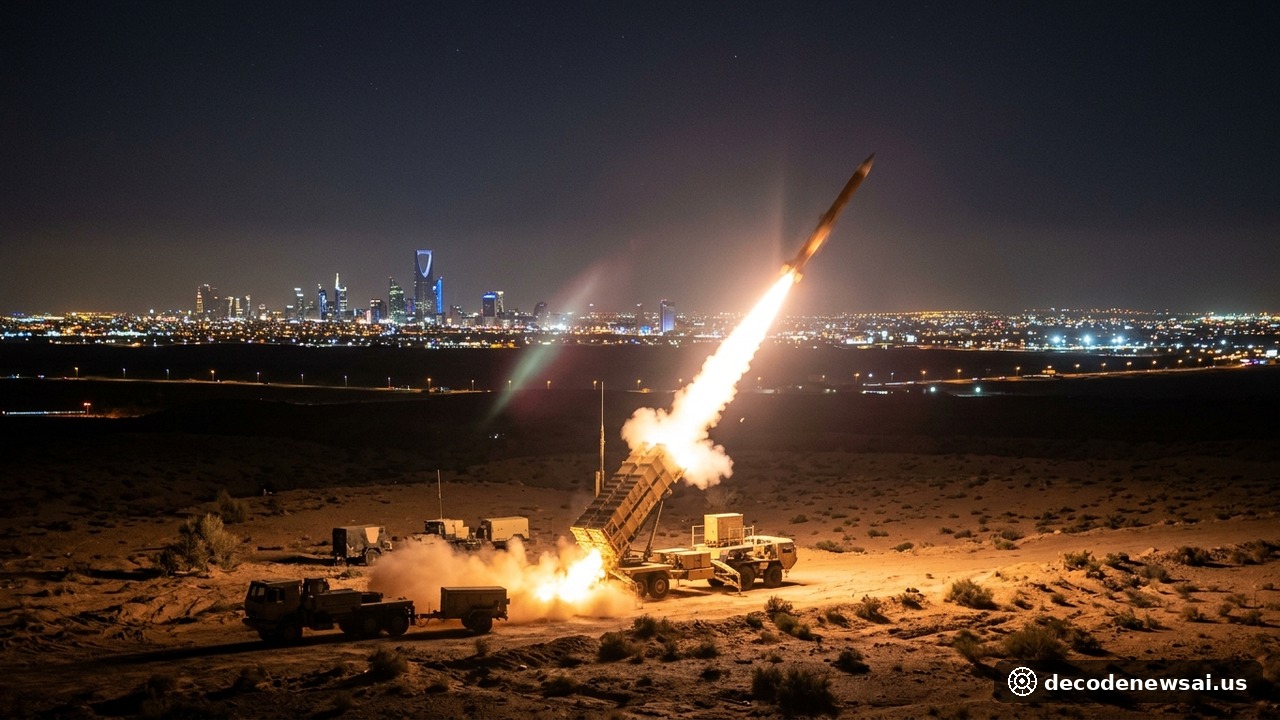
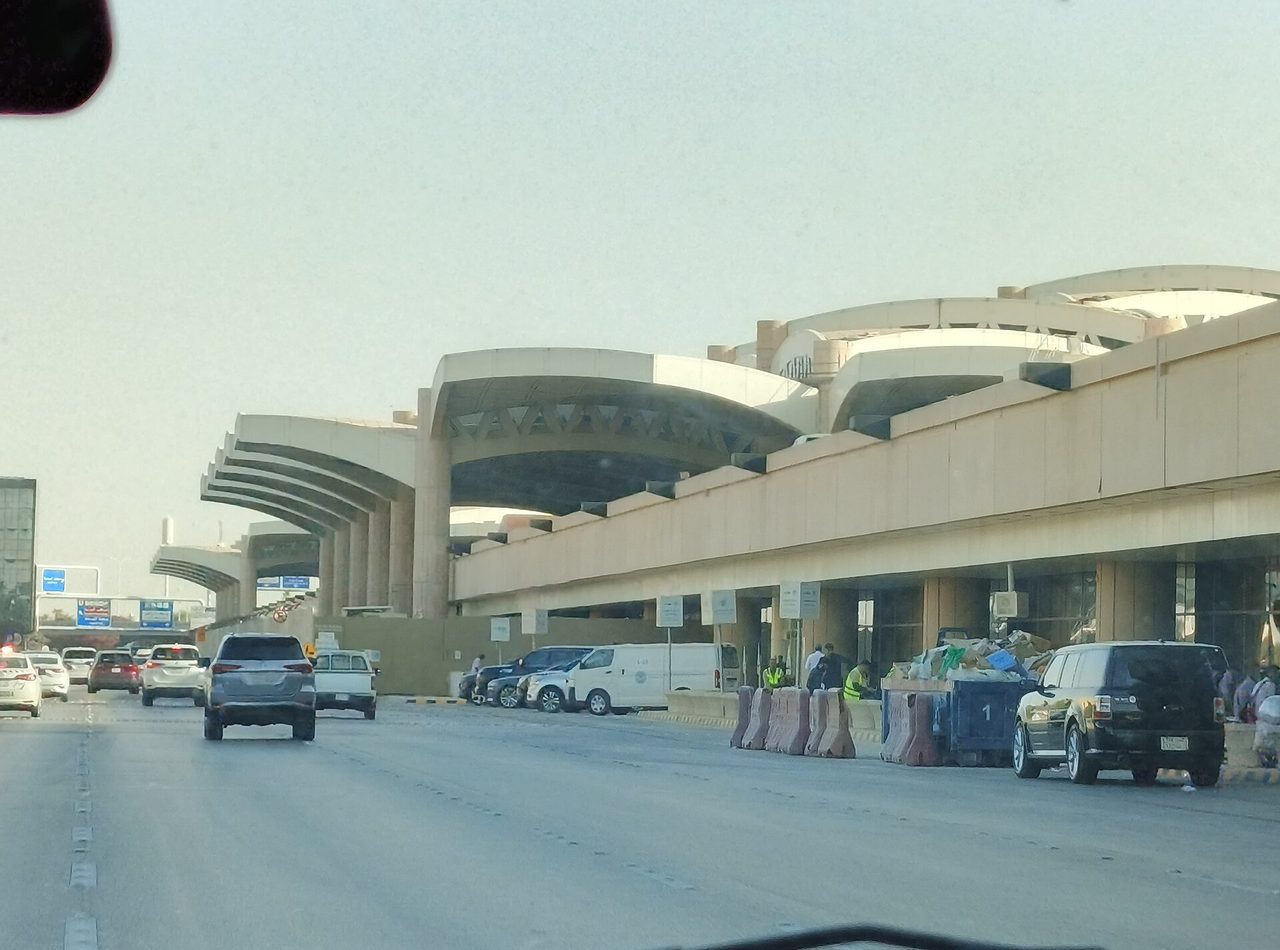
The pipeline incident occurred one day after aerial attacks targeted the Saudi capital of Riyadh. Saudi air defense units intercepted incoming ballistic missiles and drones. Falling shrapnel struck the King Abdullah Financial District on Sunday.
Debris caused localized exterior and interior damage to several floors of a Saudi Aramco office tower. Saudi authorities confirmed no employees were harmed in the financial district. Deputy Governor Prince Mohammed bin Abdulrahman inspected the building. He directed leadership to safeguard Aramco personnel.
Yemen's Iran-aligned Houthi movement claimed responsibility for the escalations. A Houthi military spokesman announced four operations targeting Riyadh, Abqaiq, and Aramco storage hubs. Regional clashes continue near the strategic Bab el-Mandeb shipping chokepoint.
Defensive Upgrades and Regional Diplomatic Moves
Saudi defense commanders deployed additional surface-to-air missile batteries around Yanbu and pumping stations. Surveillance radar networks elevated alert protocols across the western corridor. Technical investigators examine debris to confirm munitions profiles.
Washington indicated it is monitoring shipping corridors along the Red Sea closely. The Pentagon reaffirmed security commitments to partner infrastructure. Diplomatic discussions mediated by Qatar continue in Doha.
International maritime security analysts observed that stability across the Red Sea corridor remains paramount for global oil markets. Shipping conglomerates have adjusted transit routing protocols while marine insurers updated underwriting risk premia across contested sea lanes. Maintaining secure overland pipeline alternatives provides vital optionality that stabilizes international energy markets against acute supply shocks. Regional petroleum analysts will continue tracking daily crude throughput volumes at the Yanbu marine terminal throughout the coming weeks.
Global crude traders emphasized that overland pipeline logistics serve as an essential stabilizing buffer for world commerce. With naval confrontations ongoing near Bab el-Mandeb, the operational integrity of cross-peninsula crude pipelines prevents catastrophic supply bottlenecks. Energy infrastructure security experts noted that real-time autonomous drone surveillance and fortified pump stations significantly mitigate physical sabotage risks across remote terrain. Market participants in London and Singapore continue monitoring Saudi export loadings to evaluate near-term physical supply equilibrium. Regional energy strategists emphasized that multi-layered defensive hardening across Saudi Arabia's pipeline grid protects critical export throughput during periods of heightened Middle Eastern conflict. Global energy markets remain sensitive to any disruption along alternative maritime transit corridors, making pipeline resilience vital for international commercial stability. Diplomatic engagement in regional capitals aims to prevent further disruption to Middle Eastern commercial energy routes. Enhanced pipeline integrity monitoring ensures that critical energy transit corridors remain secure and fully functional across the Arabian Peninsula.