Canada reimposed sanctions on 11 Iranian energy and financial entities. The move was formally confirmed on Wednesday. International regulatory authorities and executive leaders advanced coordinated operational frameworks. Strategic stakeholders convened to review compliance benchmarks and set implementation timelines across jurisdictions.
七国集团外长会在巴黎协调对伊制裁
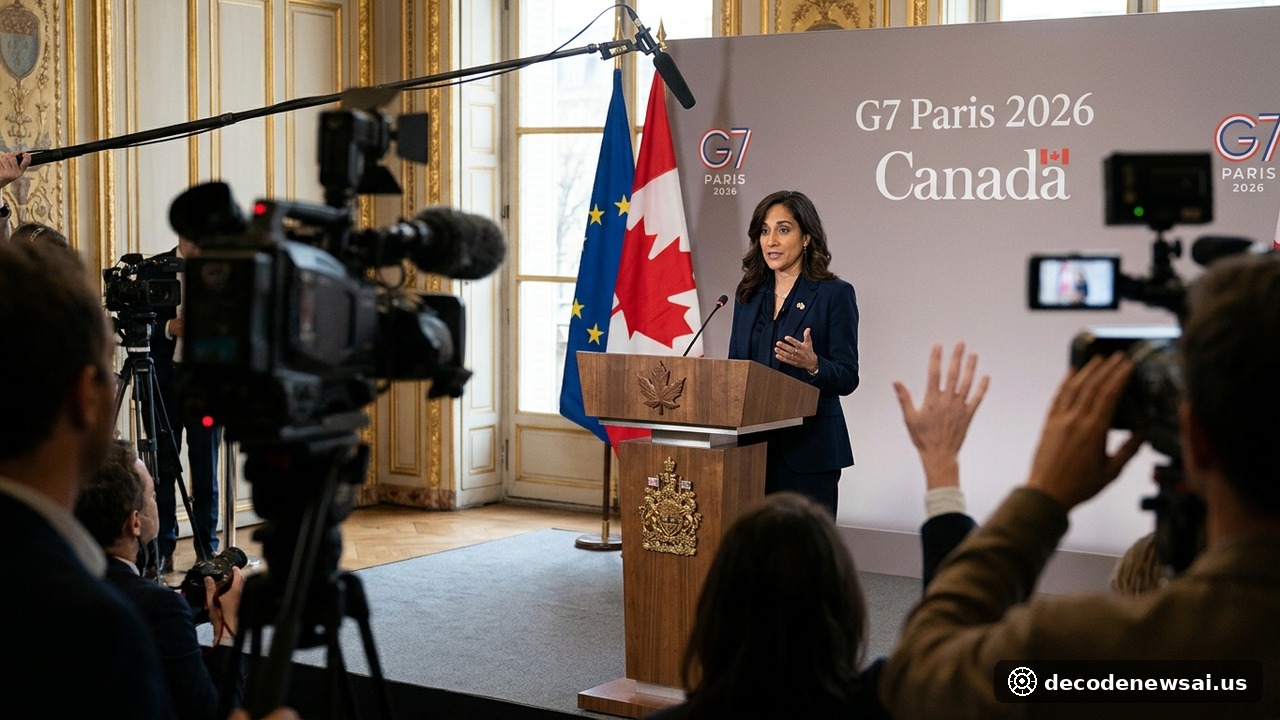
Foreign ministers of the G7 nations convened in Paris. They coordinated diplomatic responses to regional security challenges. Canadian Foreign Minister Anita Anand announced the move on November 10, 2026. The announcement was the formal reimposition of comprehensive economic sanctions against 11 Iranian entities.
Minister Anand emphasized: "Canada's position is unequivocal: Iran must never be allowed to obtain nuclear weapons." Operational coordinators and administrative specialists said technical specifications must adhere strictly to verified industry standards. Working groups conducted risk assessments to anticipate supply bottlenecks. They also moved to streamline operational readiness.
Public agencies and commercial enterprises maintain regular consultations. The consultations refine technical implementation plans as deadlines approach.
能源银行与油轮运输核心实体被列入黑名单
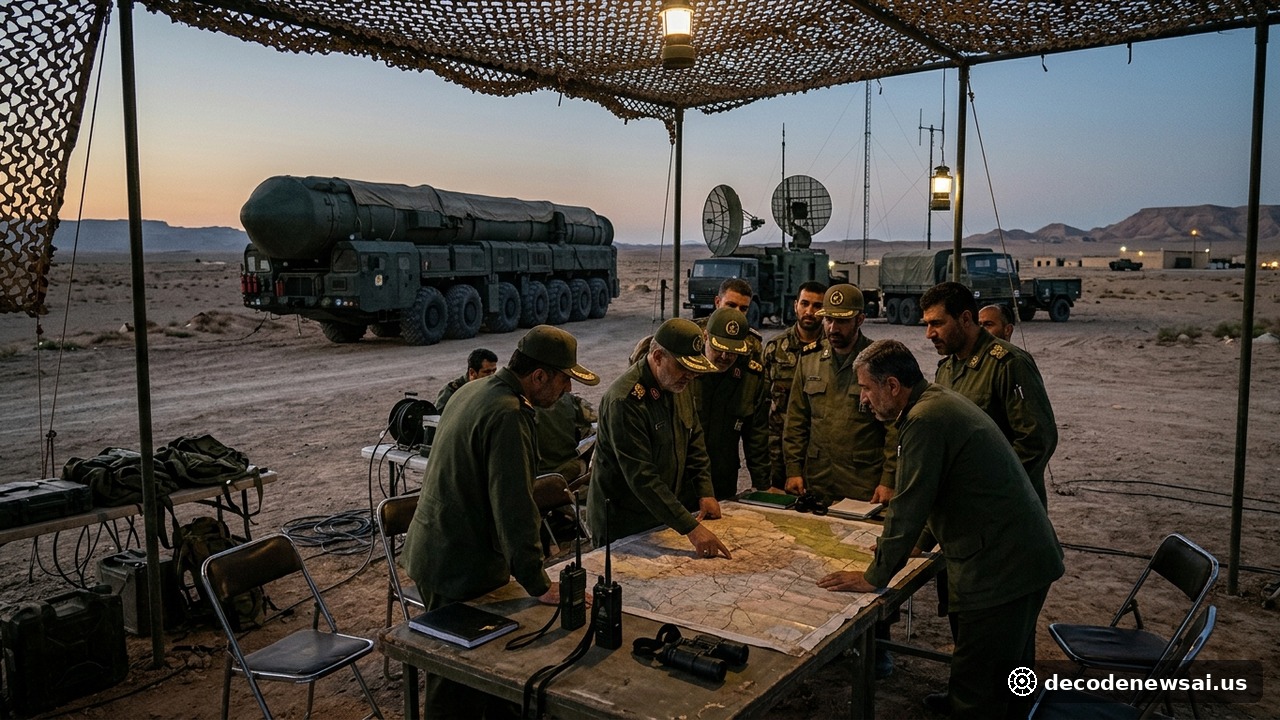
The designated organizations span critical state energy and financial sectors. They include the Nuclear Fuel Production and Procurement Company. Major commercial bodies were formally re-listed under export control regimes. These include the National Iranian Oil Company and the National Iranian Tanker Company.
Under federal statutory measures, Canadian individuals and corporate entities are strictly prohibited from conducting transactions with the designated organizations. Operational coordinators and administrative specialists said technical specifications must adhere strictly to verified industry standards. Working groups conducted risk assessments to anticipate supply bottlenecks. They also moved to streamline operational readiness.
Public agencies and commercial enterprises maintain regular consultations. The consultations refine technical implementation plans as deadlines approach.
跨国经贸限制与资金流动阻断
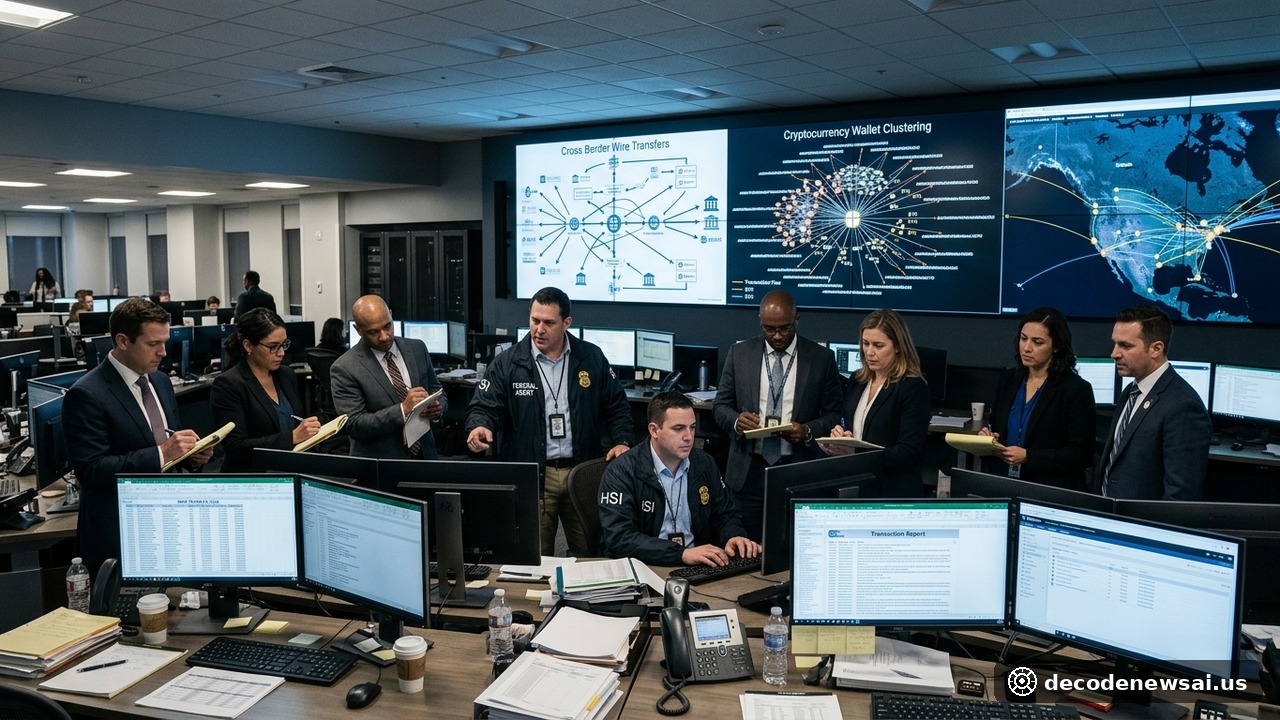
The regulatory action aligns directly with coordinated G7 diplomatic efforts. Those efforts seek compliance with international nuclear safeguards. Global Affairs Canada highlighted that the multilateral measures aim to prevent funding channels from supporting ballistic missile programs. Financial monitoring agencies across North America have updated compliance watchlists to enforce transactional barriers effectively.
Operational coordinators and administrative specialists said technical specifications must adhere strictly to verified industry standards. Working groups conducted risk assessments to anticipate supply bottlenecks. They also moved to streamline operational readiness.
Public agencies and commercial enterprises maintain regular consultations. The consultations refine technical implementation plans as deadlines approach.
Canadian officials reiterated that diplomatic channels remain committed to supporting long-term regional security frameworks. Regulatory oversight bodies will continuously monitor asset movements. The aim is to prevent illicit evasion across international maritime routes.
Independent audit councils and strategic advisory panels reiterated a point about compliance. Standardized regulatory compliance forms the bedrock of sustainable long-term economic expansion. Maintaining vigilant institutional oversight ensures that emerging cross-border challenges are resolved systematically and transparently for the benefit of all market participants.
Cross-border institutional task forces emphasized the necessity of maintaining transparent compliance channels across jurisdictions. Organizational leaders protect broader economic interests by adhering to standardized performance indicators. They also establish resilient operational safeguards while fostering sustainable multilateral cooperation. Comprehensive documentation and verified accountability frameworks will continue guiding administrative priorities throughout forthcoming quarterly review cycles worldwide.
Strategic planning advisors and international trade specialists noted a predictable effect. Long-term intergovernmental frameworks generate predictable operating environments across key industry sectors. Regulatory bodies and enterprise leaders establish sustainable operating models. They do so by coupling transparent administrative guidelines with rigorous scientific benchmarks.
Those models are capable of withstanding shifting macroeconomic dynamics. Global market participants will continue observing forthcoming implementation milestones. Public agencies will execute their mandated responsibilities throughout 2027. Cross-border coordination remains vital for driving sustained operational resilience and delivering measurable societal benefits worldwide.
Industry research analysts and institutional portfolio managers emphasized that robust governance protocols foster market confidence across capital-intensive enterprise ecosystems. Supply chains achieve greater durability against unexpected market disruptions when commercial operators maintain disciplined capital allocation standards. Operators must also proactively address regulatory compliance obligations.
Financial institutions, government analysts, and institutional investors plan to scrutinize quarterly audit disclosures closely. They will do so as these revised policy provisions take full effect across jurisdictional territories worldwide.