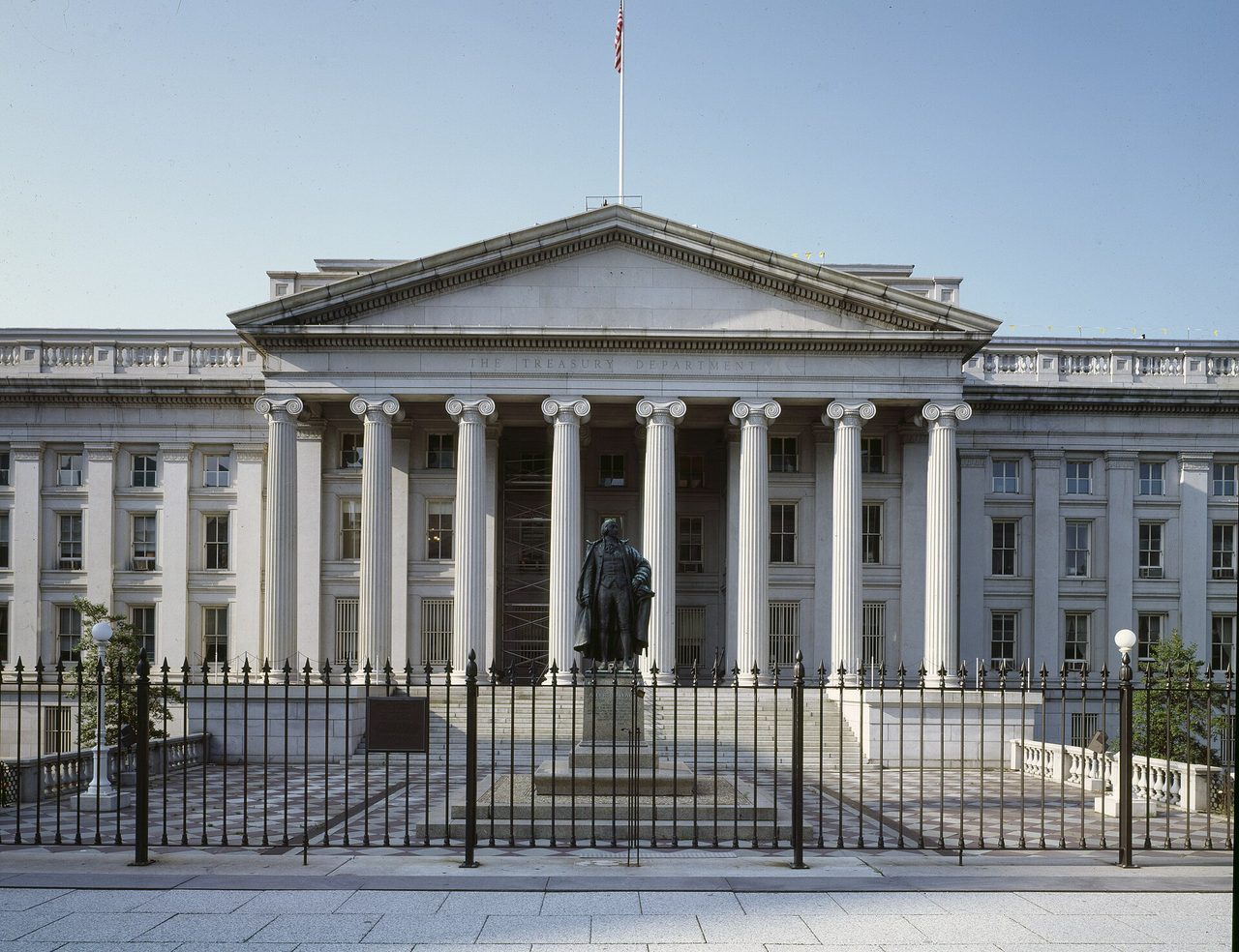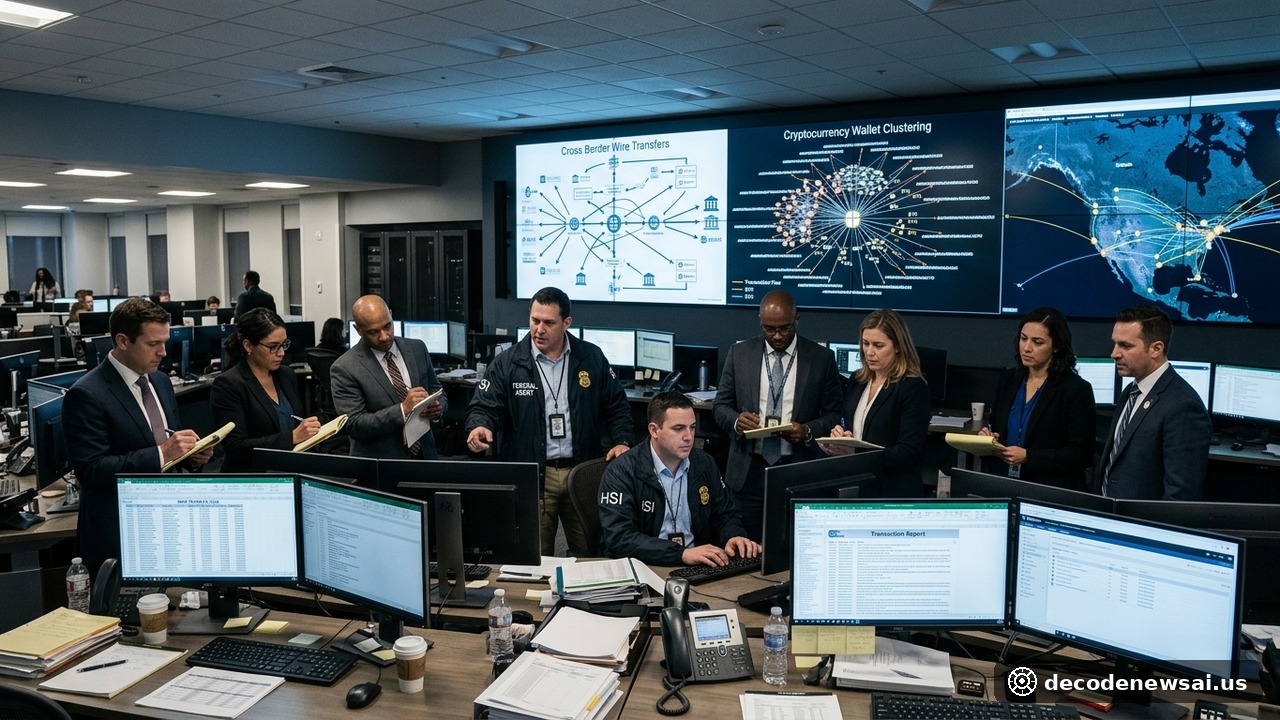
The United States Department of the Treasury's Office of Foreign Assets Control (OFAC), in coordinated operational alignment with the Drug Enforcement Administration (DEA) and the Financial Transactions and Reports Analysis Centre of Canada (FINTRAC), announced sweeping financial sanctions on November 6, 2026, under Operation Economic Outcast. Exercising authorities pursuant to Executive Order 13902, the Treasury designated eight Canadian money services businesses (MSBs) operating across Ontario and British Columbia. Federal investigators revealed that the designated entities operated as critical shadow banking nodes for the Iranian regime, facilitating multi-million-dollar illicit capital flights for the Islamic Revolutionary Guard Corps (IRGC) while laundering proceeds for an international narcotics trafficking network led by former Canadian Olympic athlete Ryan Wedding.
What Are the Core Regulatory Metrics and Enforcement Actions in Operation Economic Outcast?
- Canadian Money Services Businesses Designated on the US SDN List: 8 Financial Entities (Operating Across Ontario and British Columbia)
- Cumulative Volume of Illicit Narcotics and Evasion Capital Laundered: Hundreds of Millions of Dollars Converted via Digital Assets
- Primary Allied Intelligence and Law Enforcement Agencies Involved: US OFAC, US Drug Enforcement Administration (DEA), and FINTRAC
United States Secretary of the Treasury Scott Bessent delivered an unequivocal warning alongside the designation announcement: "Canada cannot and will not be permitted to function as a safe haven for illicit financial facilitators that provide evasion pipelines to the Iranian regime, its regional proxies, and organized criminal syndicates. The comprehensive sanctions imposed today sever these Canadian entities from the US dollar-based financial system, freezing all underlying assets within US jurisdiction and strictly prohibiting American persons and institutions from engaging in any transactions with them. In close coordination with our Canadian partners, the Treasury will relentlessly dismantle the covert financial architecture sustaining state-sponsored terrorism and transnational narcotics cartels."
Financial intelligence analysts in Washington emphasized that specialized money services businesses frequently exploit informal hawala networks alongside licensed front companies to bypass automated banking red flags. By commingling legitimate immigrant family remittances with illicit high-volume commercial cash deposits, bad actors effectively mask capital movements from standard municipal auditing teams.
Furthermore, Canadian law enforcement officials noted that the coordinated designations will facilitate the seizure of real estate and luxury commercial assets acquired throughout Ontario and British Columbia using laundered narcotics capital.
How Did Bulk Cash Smuggling and Digital Asset Rails Facilitate Sanctions Evasion?
As global tier-one banking institutions hardened anti-money laundering (AML) and ultimate beneficial ownership (UBO) compliance architectures, adversarial foreign actors systematically migrated illicit settlement pipelines to weakly regulated non-bank money transmitters.
According to unsealed joint investigative affidavits, the targeted Canadian money exchanges—including prominent commercial storefronts such as Million Exchange in Ontario and Amin Exchange in British Columbia—coordinated with cash couriers employed by the Ryan Wedding cartel to receive bulk physical currency generated from cross-border cocaine distribution. Storefront operators deposited the illicit cash into dispersed domestic accounts using fabricated invoice structures before converting the balances into liquid cryptocurrencies, notably dollar-pegged stablecoins like Tether (USDT). These digital tokens were subsequently routed through multi-hop mixing protocols and distributed into overseas wallets controlled by Iranian commercial procurement front companies, successfully circumventing conventional cross-border correspondent banking controls.
What Strategic Precedents Does Bilateral North American Enforcement Establish for Global AML Regimes?
The execution of Operation Economic Outcast marks a structural shift in cross-border enforcement, demonstrating unprecedented operational coordination between United States sanctions authorities and Canadian intelligence bodies.
Historically, disparities between federal financial surveillance authorities and provincial licensing frameworks made Canada an attractive destination for trade-based money laundering schemes. By applying direct secondary sanctions against Canadian corporate entities in close coordination with Ottawa, Washington signaled that North American security perimeters will be defended against hybrid financial warfare with zero regulatory tolerance. The targeted designations not only neutralize a vital node in Tehran's international financing network, but also accelerate legislative pressure within Canada's Parliament to mandate real-time transaction reporting for digital asset exchanges, structurally recalibrating compliance standards across the hemisphere.