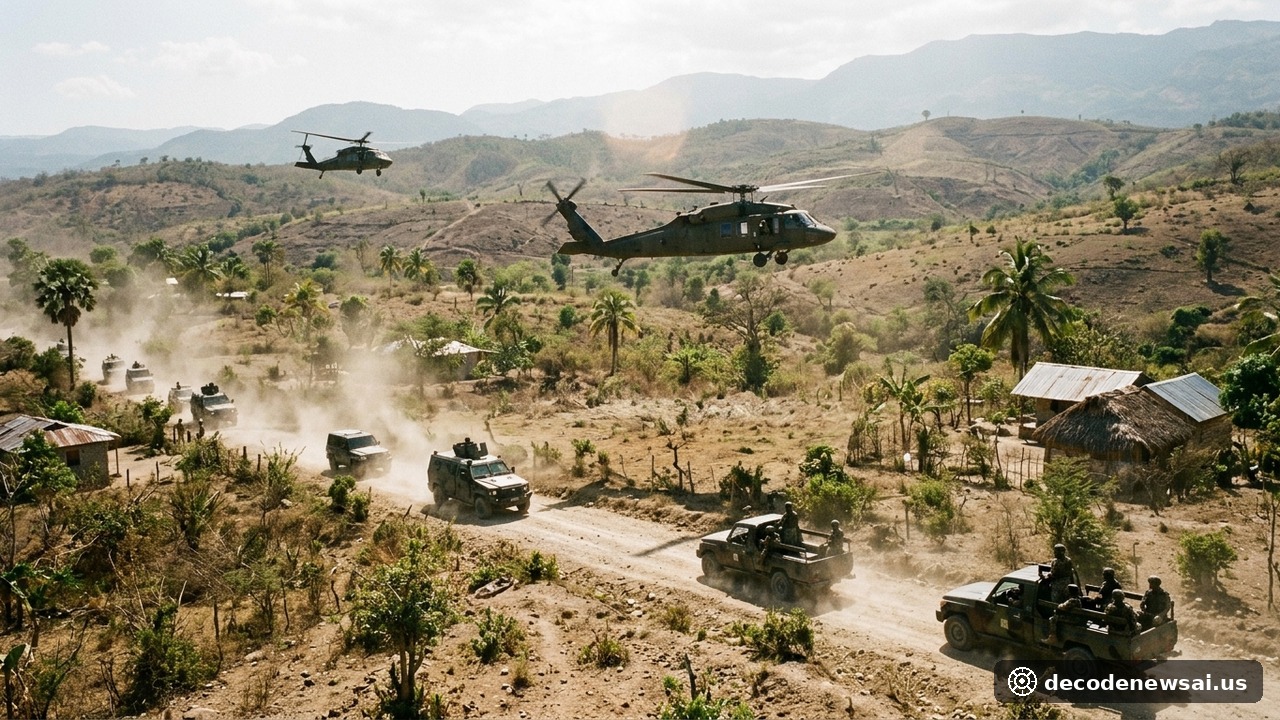
Salvadoran armed forces deployed 2,500 military personnel to Haiti in an expanding campaign targeting entrenched criminal syndicates. The force represents the largest foreign military contingent active in the Caribbean country, surpassing established multilateral contingents. President Nayib Bukele stated on social media: "We kept our promise, as criminal factions fled our coordinated aerial strikes."
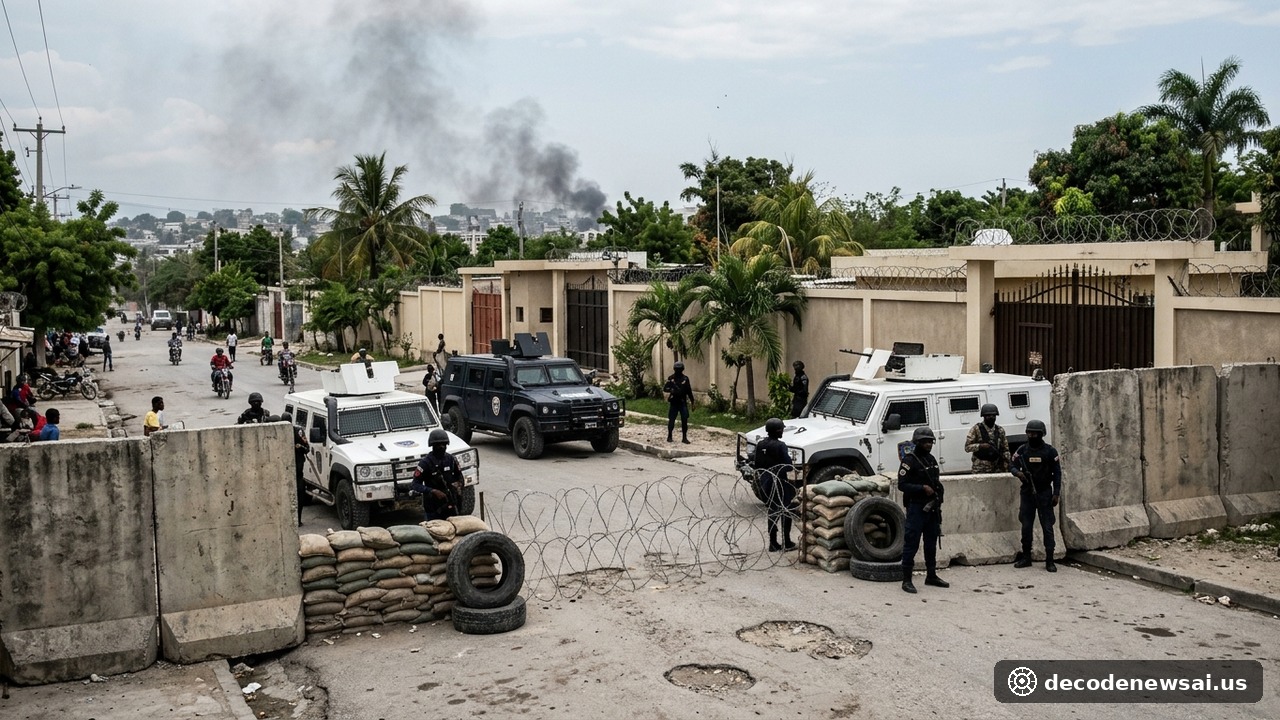
Salvadoran attack helicopters conducted targeted strikes on a fortified compound in Ganthier linked to the 400 Mawozo gang. Tactical ground teams supported by Haitian National Police cleared surrounding perimeters, seizing weapons caches and communications gear. Haitian civilian groups welcomed decisive security measures following years of unchecked extortion and kidnappings across transit corridors.
Dominican President Luis Abinader urged international security missions to coordinate operations directly with Salvadoran commanders. Human rights organizations called for transparent oversight to safeguard noncombatants caught in regional crossfire. United States diplomatic representatives clarified that American personnel are not participating in unilateral tactical actions.
Gang leader Wilson Joseph evaded capture during the initial raid, prompting expanded joint patrols along border routes.