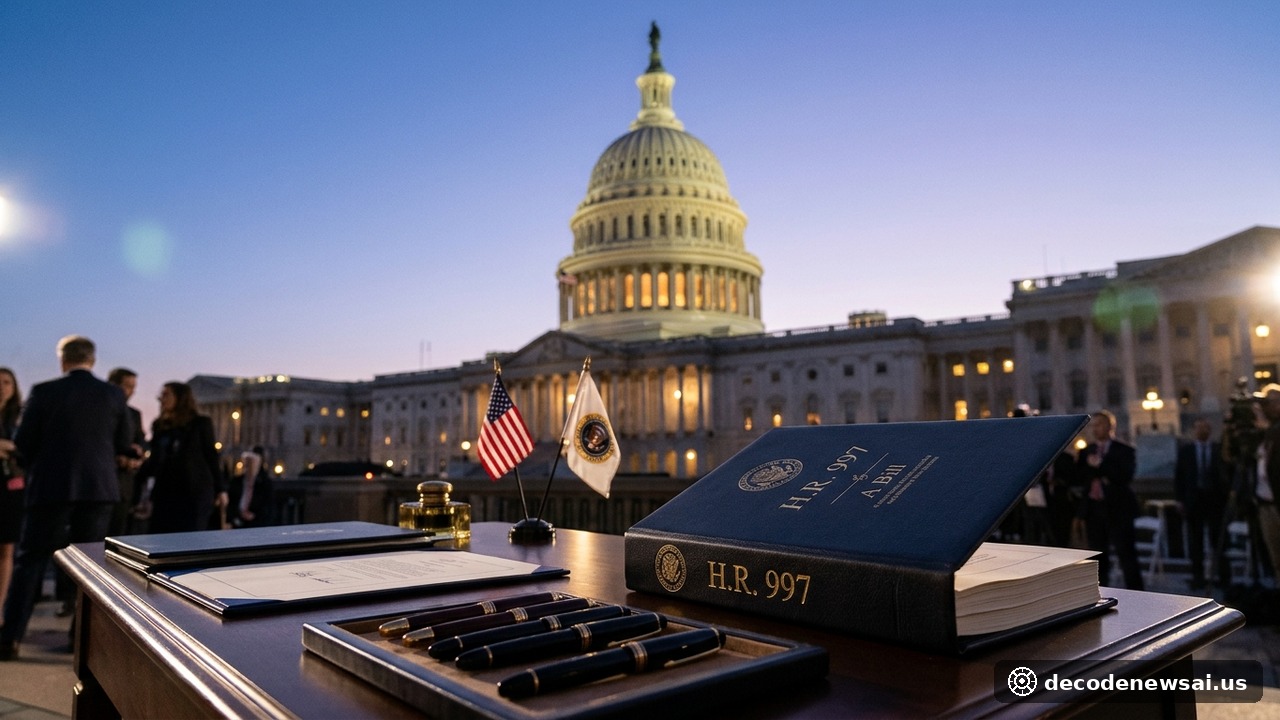
Presidential approval finalized the National Taxpayer Advocate Enhancement Act on Wednesday, November 11, 2026. The statute is designated as H.R. 997. It cleared the House of Representatives by a vote of 385 to 0. It passed the Senate by unanimous consent.
The House Ways and Means Committee stated: "By strengthening this independent watchdog, we ensure every American taxpayer has an accountable advocate." The committee released that statement after the vote.
两院无异议全票通过纳税人权益保护法案
The legislative measure codifies statutory authority. It permits the National Taxpayer Advocate to hire and consult dedicated legal counsel. Removing structural conflicts with standard agency attorneys restores original congressional intent regarding independent taxpayer advocacy.
The reform ensures robust legal representation. Citizens may navigate contested regulatory discrepancies or unwarranted withholding actions. The provision covers both situations.
Casework data confirmed the Advocate's office reviewed approximately 34,000 inquiries. Those inquiries involved refund verification holds during fiscal year 2025. Personnel concurrently resolved 14,000 formal disputes. The disputes concerned intercepted or returned citizen tax disbursements across nationwide jurisdictions.
Administrative deadlines now mandate expedited handling protocols. Low-income filers facing financial hardship fall under those protocols.
赋予辩护人独立法律顾问与个案救济权限
Bipartisan lawmakers commended the milestone as a foundational enhancement for citizen protection within federal administrative systems. Consumer tax groups emphasized that reinforced independent oversight will systematically reduce processing backlogs nationwide.
Independent audit councils and strategic advisory panels reiterated a position. Standardized regulatory compliance forms the bedrock of sustainable long-term economic expansion. Maintaining vigilant institutional oversight ensures emerging cross-border challenges are resolved systematically and transparently. That resolution serves the benefit of all market participants.
Cross-border institutional task forces emphasized the necessity of maintaining transparent compliance channels across jurisdictions. Organizational leaders adhere to standardized performance indicators. They establish resilient operational safeguards. Those safeguards protect broader economic interests while fostering sustainable multilateral cooperation.
Comprehensive documentation and verified accountability frameworks will continue guiding administrative priorities. Those priorities apply throughout forthcoming quarterly review cycles worldwide.
严打退税拖延积压规范国税局涉税执法边界
Strategic planning advisors and international trade specialists noted a finding. Long-term intergovernmental frameworks generate predictable operating environments across key industry sectors. Regulatory bodies and enterprise leaders couple transparent administrative guidelines with rigorous scientific benchmarks. They establish sustainable operating models capable of withstanding shifting macroeconomic dynamics.
Global market participants will continue observing forthcoming implementation milestones. Public agencies execute their mandated responsibilities throughout 2027. Cross-border coordination remains vital for driving sustained operational resilience. It also remains vital for delivering measurable societal benefits worldwide.
Industry research analysts and institutional portfolio managers emphasized a point. Robust governance protocols foster market confidence across capital-intensive enterprise ecosystems. Commercial operators maintain disciplined capital allocation standards. They proactively address regulatory compliance obligations. Supply chains achieve greater durability against unexpected market disruptions under those conditions.
Financial institutions, government analysts, and institutional investors plan to scrutinize quarterly audit disclosures closely. These revised policy provisions take full effect across jurisdictional territories worldwide.