Published: 2026-11-11 05:55 EST
The United States Senate unanimously approved comprehensive bipartisan weather research legislation on November 10, 2026. Lawmakers across party lines joined in approving the measure. The statute reauthorizes multi-year capital improvements for national weather radar arrays and supercomputing simulation architectures. Advanced atmospheric modeling tools receive critical upgrades. Emergency preparedness capabilities across American communities will expand significantly.
Senate Passes Bicameral Reauthorization to Overhaul National Weather Radar Networks
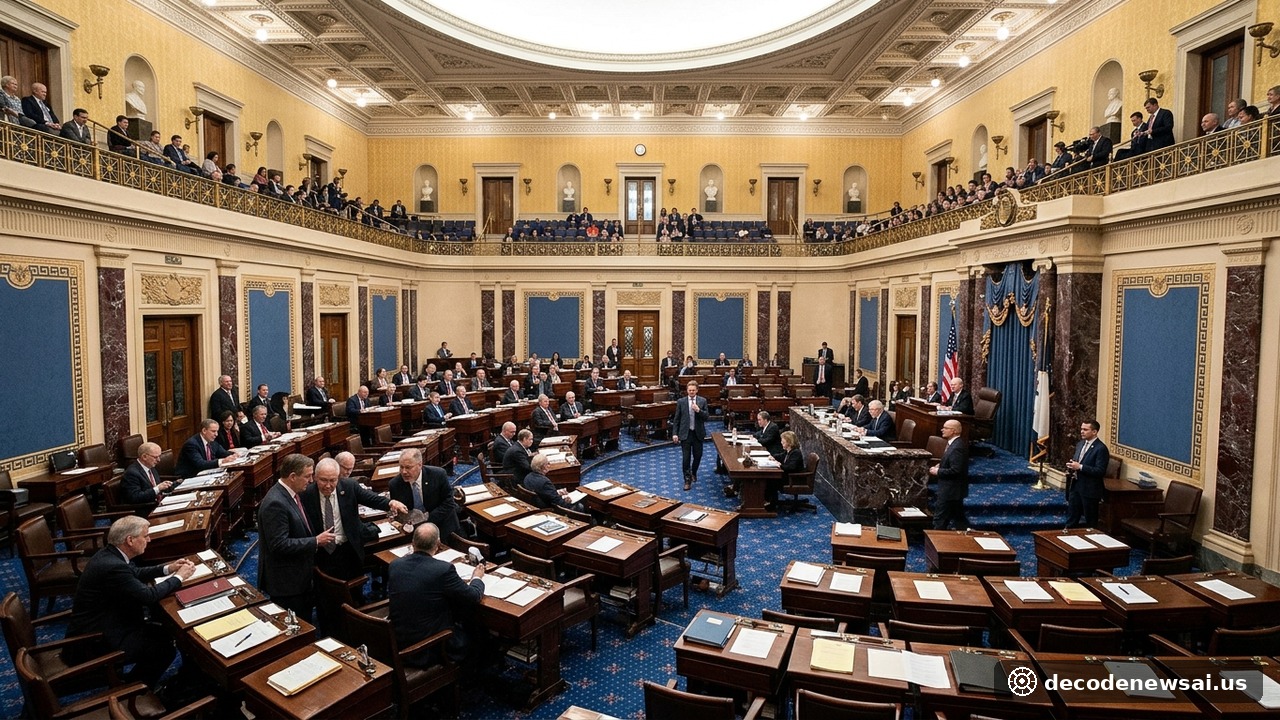
Senate leaders approved the Weather Research and Forecasting Innovation Reauthorization Act of 2026 on Tuesday through unanimous consent on the Senate floor. Bicameral committees coordinated legislative development closely.
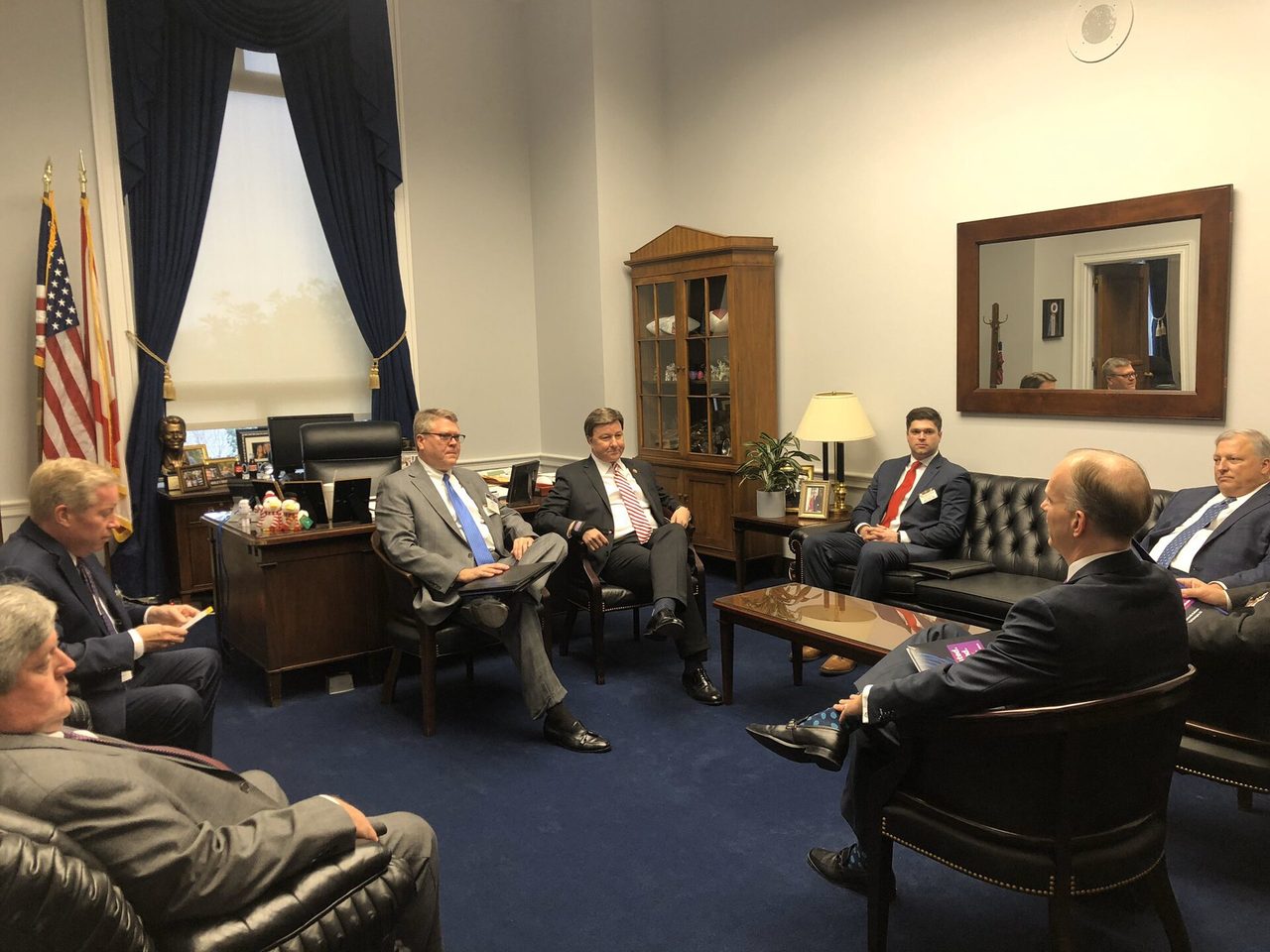
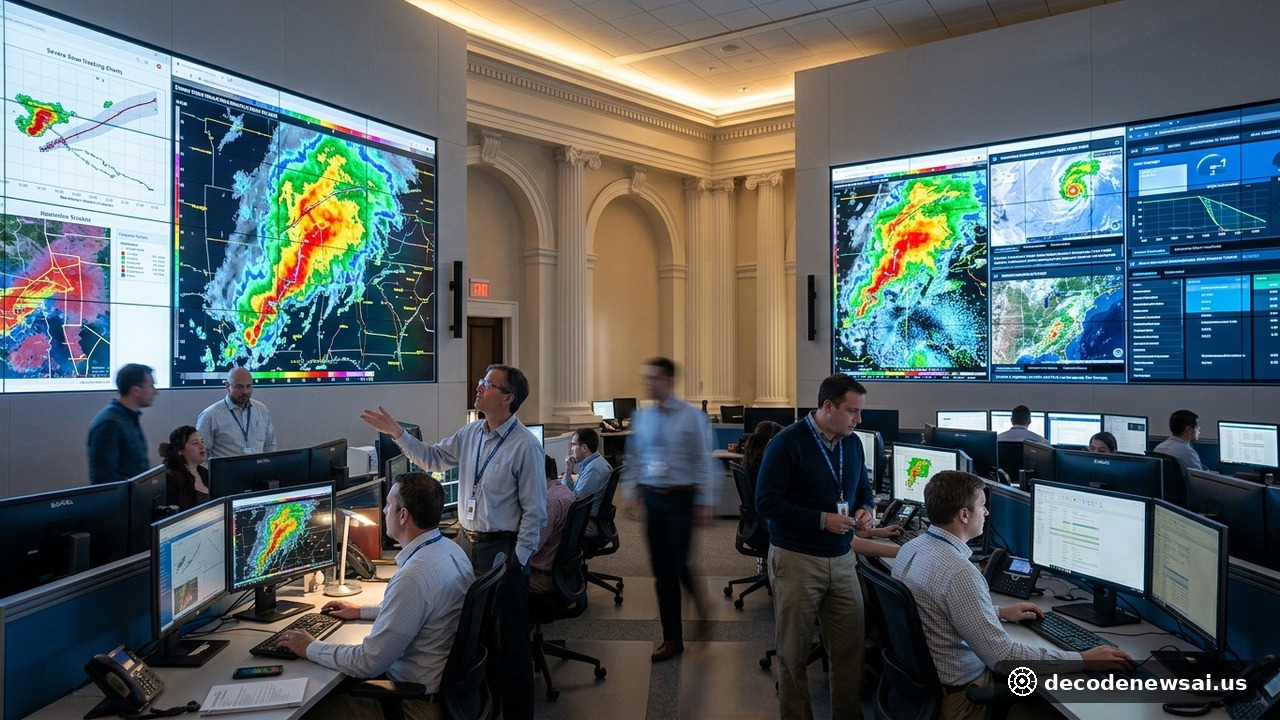
The legislation was introduced by Senate Commerce Committee Chairman Ted Cruz and Ranking Member Maria Cantwell. House Science, Space, and Technology Committee leaders introduced companion statutory text. The statute establishes multi-year procurement authorizations for the National Oceanic and Atmospheric Administration through fiscal 2030. Priority funding allocations direct the nationwide modernization of phased-array Doppler radar arrays. Following Senate approval, Chairman Ted Cruz released a formal statement. Cruz stated: "Today, the Senate took a pivotal step toward ensuring Americans are prepared for severe weather." Congressional leaders emphasized broad bipartisan commitment to public safety.
Ranking Member Cantwell emphasized that faster Doppler radar alerts provide vulnerable municipalities with indispensable evacuation time during tornado outbreaks. Modernized sensors will mitigate structural property devastation from severe convective storms.
Federal Computing Investments Target Severe Weather Simulation Accuracy Gaps
The statute authorizes dedicated supercomputing procurement appropriations across atmospheric research laboratories. Federal meteorology teams secure multi-million-dollar computing clusters. The capital injection seeks to narrow modeling resolution discrepancies with European forecast networks.
The legislation mandates that NOAA expand commercial data acquisitions from private remote-sensing satellite constellations. Agency teams will deploy machine-learning data assimilation algorithms across regional forecast offices. House Science Committee Chairman Brian Babin delivered remarks on the Capitol steps. Babin stated: "Reliable weather forecasts and timely warnings are essential to protecting American lives and property." The statute codifies clear requirements for integrating computational research into public forecasting operations.
Private weather technology firms will receive standardized certification pathways to provide observation feeds into federal numerical prediction pipelines. Merging public and private telemetry accelerates forecast turnaround times during active hurricane seasons.
Expanding Emergency Radio Towers to Eliminate Coverage Gaps in Flood-Prone Rural Counties
Addressing persistent communication dead zones across rural agricultural valleys and exposed coastal bays, the statute codifies targeted radio transmitter infrastructure grants. Coverage blind spots across rural counties will be eliminated.
The final legislative package incorporates provisions from Cruz's Texas Hill Country Flood Weather Radio initiative. The measure instructs federal agencies to install automated VHF radio relay stations across flash-flood and wildfire corridors. Coastal lawmakers praised the targeted emergency investments. Senator Lisa Blunt Rochester emphasized that low-lying coastal regions face recurring storm surge inundation, requiring redundant emergency broadcast transmission capabilities. The statute also directs regional forecast offices to disseminate multi-lingual mobile disaster push notifications.
Having secured unanimous Senate passage, the legislation advances to the White House desk for executive signature. Presidential enactment is expected before the end of the week. Regional weather stations will initiate procurement procedures for next-generation telemetry arrays.
Strategic planning advisors and international trade specialists noted that long-term intergovernmental frameworks generate predictable operating environments across key industry sectors. By coupling transparent administrative guidelines with rigorous scientific benchmarks, regulatory bodies and enterprise leaders establish sustainable operating models capable of withstanding shifting macroeconomic dynamics. Global market participants will continue observing forthcoming implementation milestones as public agencies execute their mandated responsibilities throughout 2027. Cross-border coordination remains vital for driving sustained operational resilience and delivering measurable societal benefits worldwide.
Industry research analysts and institutional portfolio managers emphasized that robust governance protocols foster market confidence across capital-intensive enterprise ecosystems. When commercial operators maintain disciplined capital allocation standards while proactively addressing regulatory compliance obligations, supply chains achieve greater durability against external macroeconomic shocks. Executive leadership teams across North America and Europe continue prioritizing long-term strategic alignment over transient cyclical fluctuations, ensuring that core infrastructure deployments remain on schedule throughout the coming fiscal periods.