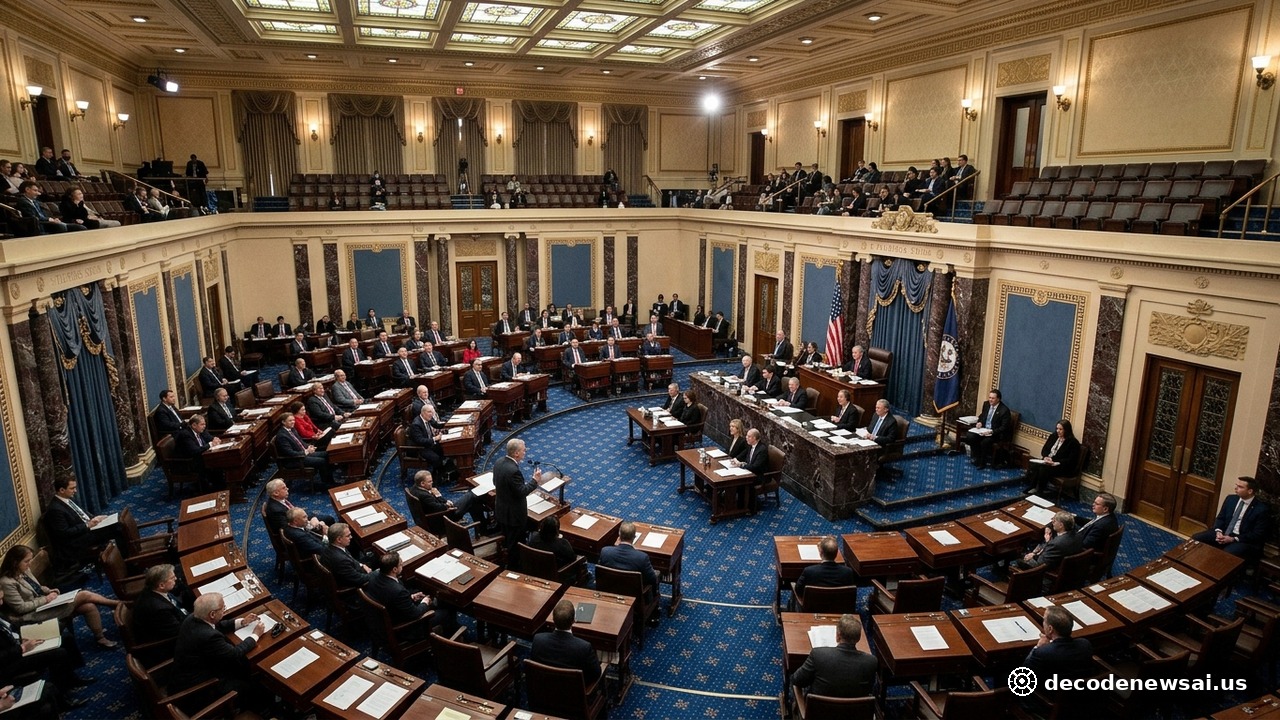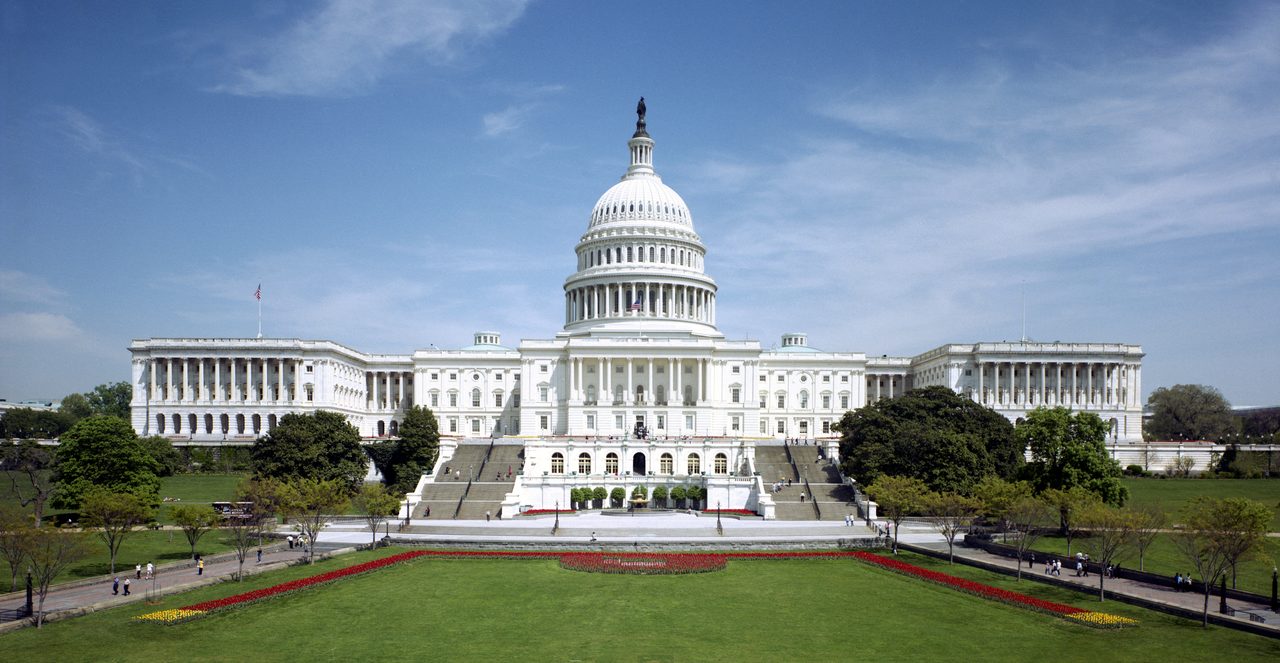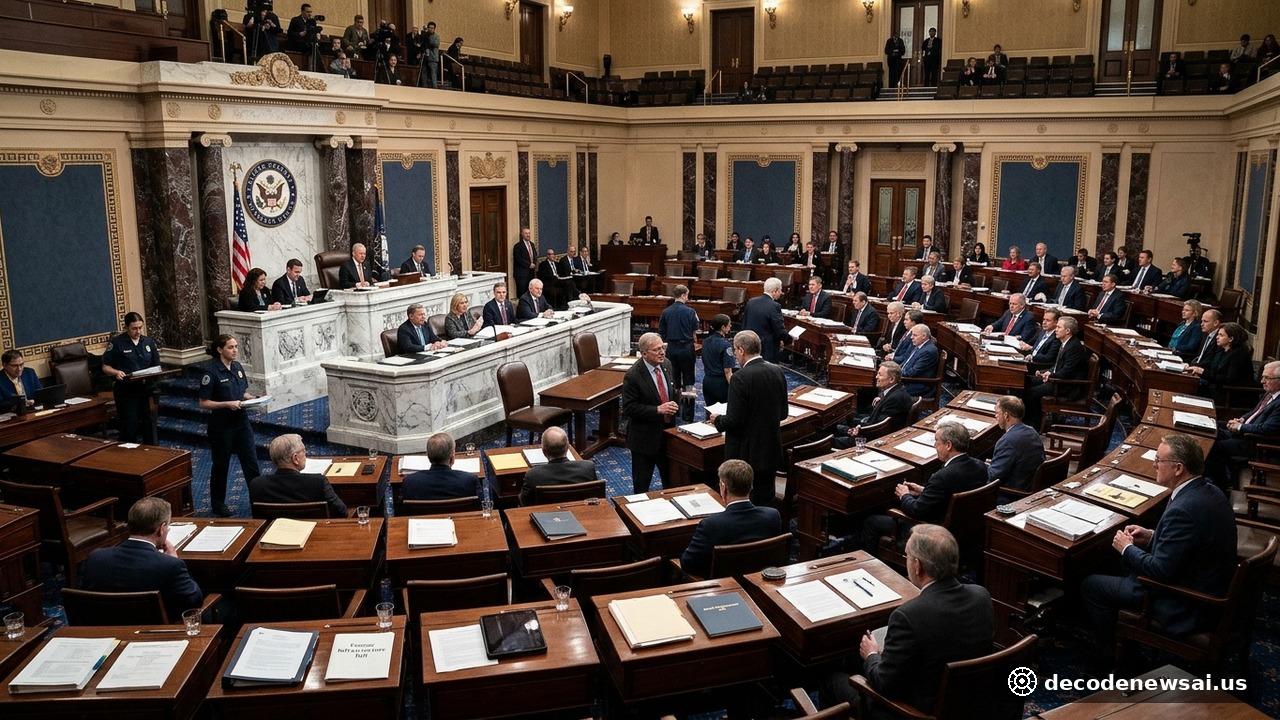
The Senate returned to legislative business on Wednesday, November 11, 2026. Lawmakers resumed formal consideration of H.R. 2347. The bill is the statutory vehicle for bipartisan energy permitting reform. Leadership said: "Congress must seize this legislative window to accelerate critical infrastructure deployment across the nation."
两党能源许可改革法案进入关键审议程序
The Senate reconvened to advance key legislative priorities. H.R. 2347 anchors the permitting overhaul. Lawmakers treated the bill as the main vehicle for the package. The chamber moved to formal consideration.
Operational coordinators and administrative specialists said technical specifications must follow verified industry standards. Working groups ran risk assessments. They looked for emerging supply bottlenecks. Public agencies and commercial enterprises consult regularly to refine implementation plans as deadlines approach.
首批上诉法院与地区法院法官提名启动终结辩论
Senate leadership filed cloture motions on three pending federal judicial nominations. The nominations include Daniel Domenico for the Tenth Circuit Court of Appeals. Anna St. John was named for the Fifth Circuit. Gregory Cook advanced for confirmation to the United States District Court for the Northern District of Alabama.
Operational coordinators and administrative specialists said technical specifications must follow verified industry standards. Working groups ran risk assessments. They looked for emerging supply bottlenecks. Public agencies and commercial enterprises consult regularly to refine implementation plans as deadlines approach.
跛脚鸭会期立法冲刺重塑基础设施审批规则
The calendar also cleared House Concurrent Resolution 93 from the Senate Foreign Relations Committee. The resolution heads to floor debate. Senators are slated to hold structured deliberations on multilateral diplomatic resolutions before the statutory recess deadline. Legislative aides confirmed floor managers are coordinating amendment votes to ensure orderly administrative execution.
Operational coordinators and administrative specialists said technical specifications must follow verified industry standards. Working groups ran risk assessments. They looked for emerging supply bottlenecks. Public agencies and commercial enterprises consult regularly to refine implementation plans as deadlines approach.
Bipartisan negotiators said streamlined permitting timelines are vital for clean generation and grid reliability. Industry groups and legal scholars are tracking the confirmation votes closely. The Senate is working through its post-election docket.
Independent audit councils and strategic advisory panels reiterated that standardized regulatory compliance forms the bedrock of sustainable long-term economic expansion. Vigilant institutional oversight keeps emerging cross-border challenges on a systematic, transparent track. That serves all market participants.
Cross-border institutional task forces stressed the need for transparent compliance channels across jurisdictions. Leaders adhere to standardized performance indicators. They establish resilient operational safeguards. Those steps protect broader economic interests while fostering sustainable multilateral cooperation.
Comprehensive documentation and verified accountability frameworks will keep guiding administrative priorities through forthcoming quarterly review cycles worldwide. Strategic planning advisors and international trade specialists said long-term intergovernmental frameworks generate predictable operating environments across key industry sectors. Transparent administrative guidelines pair with rigorous scientific benchmarks. Regulatory bodies and enterprise leaders build sustainable operating models able to withstand shifting macroeconomic dynamics.
Global market participants will keep observing forthcoming implementation milestones as public agencies execute their mandated responsibilities throughout 2027. Cross-border coordination remains vital for sustained operational resilience. It also matters for delivering measurable societal benefits worldwide.
Industry research analysts and institutional portfolio managers said robust governance protocols foster market confidence across capital-intensive enterprise ecosystems. Commercial operators maintain disciplined capital allocation standards. They also address regulatory compliance obligations proactively. Supply chains gain durability against unexpected market disruptions.
Financial institutions, government analysts, and institutional investors plan to scrutinize quarterly audit disclosures closely. The revised policy provisions are taking full effect across jurisdictional territories worldwide.