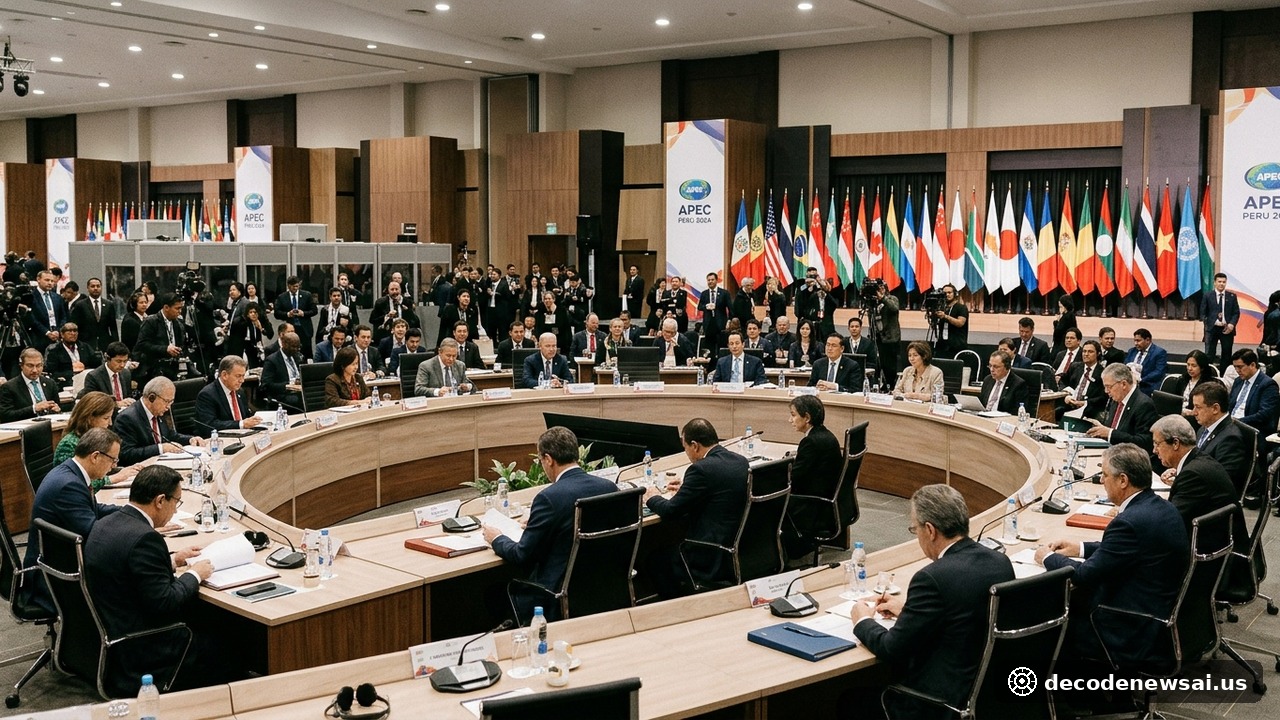
The 32nd Asia-Pacific Economic Cooperation Economic Leaders' Meeting officially commenced on November 12, 2026, at the Lima Convention Center in the Peruvian capital. Heads of state and government leaders from across 21 member economies assembled to address sustainable economic development, multilateral trade resilience, and inclusive digital integration. This international summit marks the third time Peru has hosted the gathering, following earlier leadership editions in 2008 and 2016. The participating economies collectively represent approximately 62% of global gross domestic product and nearly 48% of worldwide merchandise trade. Multilateral economic diplomacy continues expanding across the Pacific Rim. Progress remains steady.
Extensive Preparatory Assemblies Yield Consensus Documents Across Five Peruvian Cities
According to formal ministerial proceedings released by the APEC Secretariat, Peruvian authorities organized more than 270 technical working sessions, senior officials' meetings, and ministerial panels throughout the preceding twelve months. These technical assemblies took place across five designated host cities including Lima, Arequipa, Pucallpa, Trujillo, and Urubamba. Participating delegations negotiated consensus framework documents addressing formal economic transition, clean energy adoption, and customs digitization. These achievements established the structural foundation for high-level deliberations. Deliberations advanced without delays.
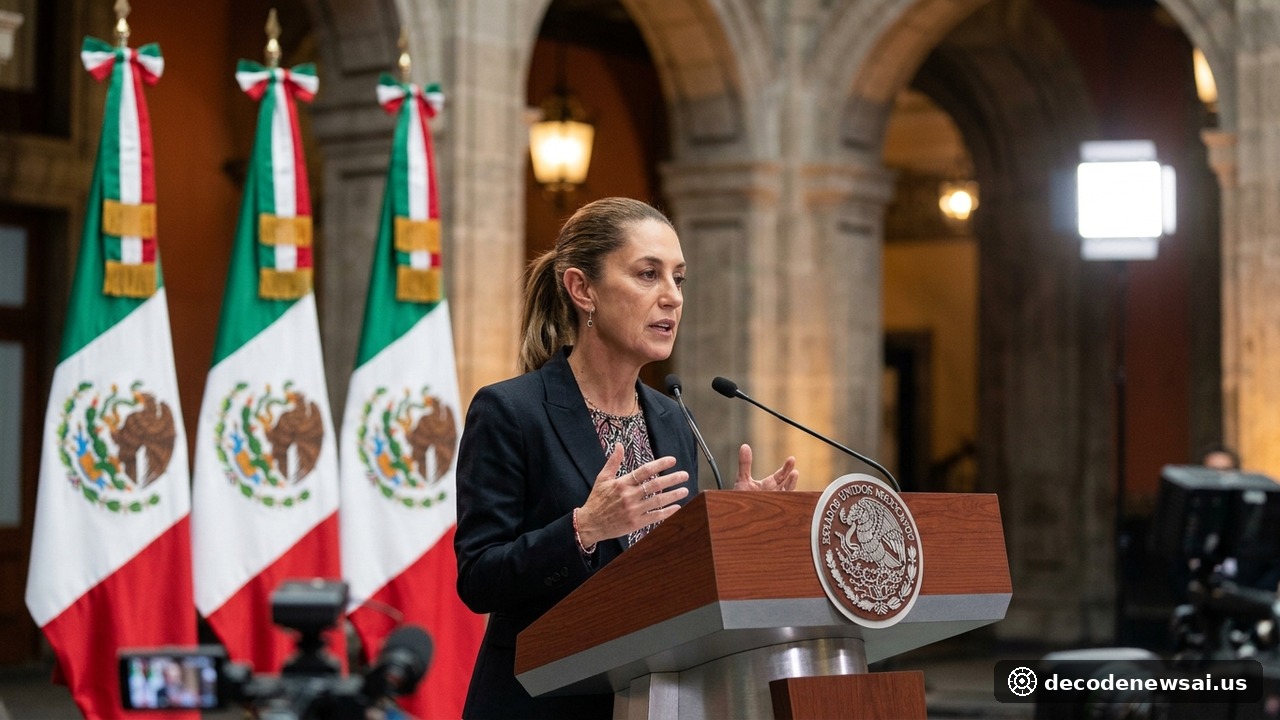
During an official press briefing concluding the joint ministerial assembly in Lima, Peruvian Minister of Foreign Affairs Ambassador Elmer Schialer delivered formal remarks regarding trade cooperation. Schialer stated: "APEC stands as more than a diplomatic forum." Schialer emphasized: "Faced with shifting cross-border trade friction, APEC member economies have demonstrated a firm political commitment to preserving an open, rules-based multilateral trading system that creates tangible economic opportunity across all Pacific Rim communities." Delegations praised the administrative coordination.
The summit proceedings also incorporated the 2024 APEC CEO Summit, bringing together more than 1,500 corporate executives, technological pioneers, and global institutional investors. Corporate leaders urged policymakers to reinforce cross-border supply chain predictability and prioritize green logistics infrastructure. Private sector investment appetite demonstrated notable resilience across key sectors. Commercial momentum gathered strength.
Digital Commerce Modernization and Clean Energy Supply Chains Dominate Ministerial Sessions
Throughout the closed-door plenary deliberations, economic delegates evaluated implementation metrics tied to the Lima Roadmap for digital economic transformation. The policy document targets reducing cross-border trade compliance costs by more than 30% across the Asia-Pacific region by 2030. The framework additionally proposes interoperable digital customs protocols and harmonized regulatory data security baselines. These institutional steps accelerate regional market integration. Strategic coordination proved effective.
Analytical research published jointly by the World Trade Organization and the Inter-American Development Bank indicates that comprehensive paperless customs modernization across APEC ports could eliminate over $24 billion in annual logistics expenditures for regional exporters. Transit clearance timetables achieved substantial structural improvements.
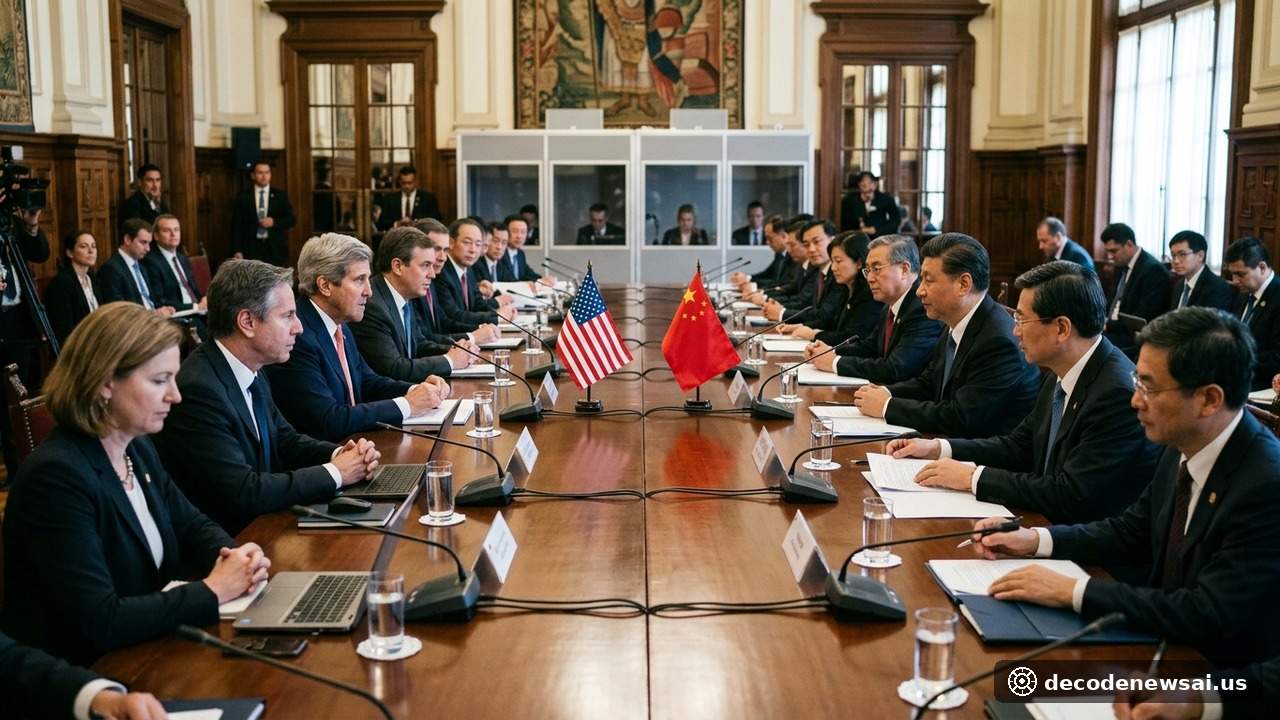
Working delegations from the United States, China, Australia, and ASEAN member nations conducted constructive dialogues concerning technical validation protocols for clean energy infrastructure. The parties explored reciprocal recognition mechanisms for renewable energy certification across the Pacific basin. Interregional energy cooperation recorded tangible advancements. International collaboration widened further.
Megaport Hub Commissioning Enhances Direct Transpacific Logistics Connectivity
Marking a major infrastructural achievement linked to summit proceedings, port authorities conducted operational inauguration ceremonies for the initial terminal phase of the Chancay deepwater multipurpose port complex, situated approximately 80 kilometers north of Lima. Featuring an operational draft depth of 17.8 meters, the maritime facility can accommodate ultra-large container vessels. The direct transpacific shipping route reduces maritime transport duration between South America and major Asian trade hubs from 35-40 days down to approximately 23 days. Ocean freight turnaround efficiency advanced dramatically.
International maritime economists emphasized that the Chancay port hub transforms Peru into a premier Pacific maritime transit corridor. The terminal provides accelerated commercial access for neighboring agricultural and mineral exporting economies including Brazil, Chile, and Colombia. Transpacific bilateral commerce is projected to experience robust multi-year volume expansion.
The APEC Economic Leaders' Meeting is scheduled to conclude on November 16 with the formal release of the joint Leaders' Declaration outlining long-term economic modernization targets. Regional commercial cooperation continues delivering structural resilience across global markets. Conditions remain solid. Multilateral governance analysts noted that sustained transpacific collaboration reinforces trade stability throughout international maritime commerce.