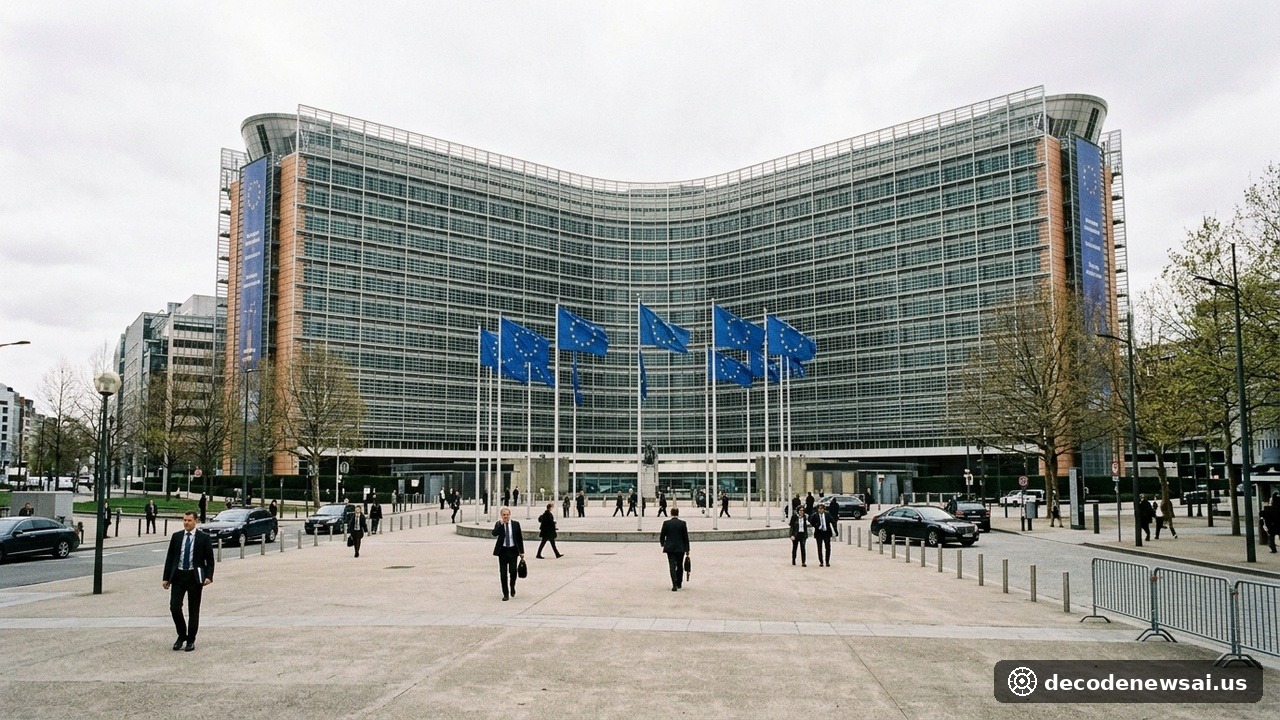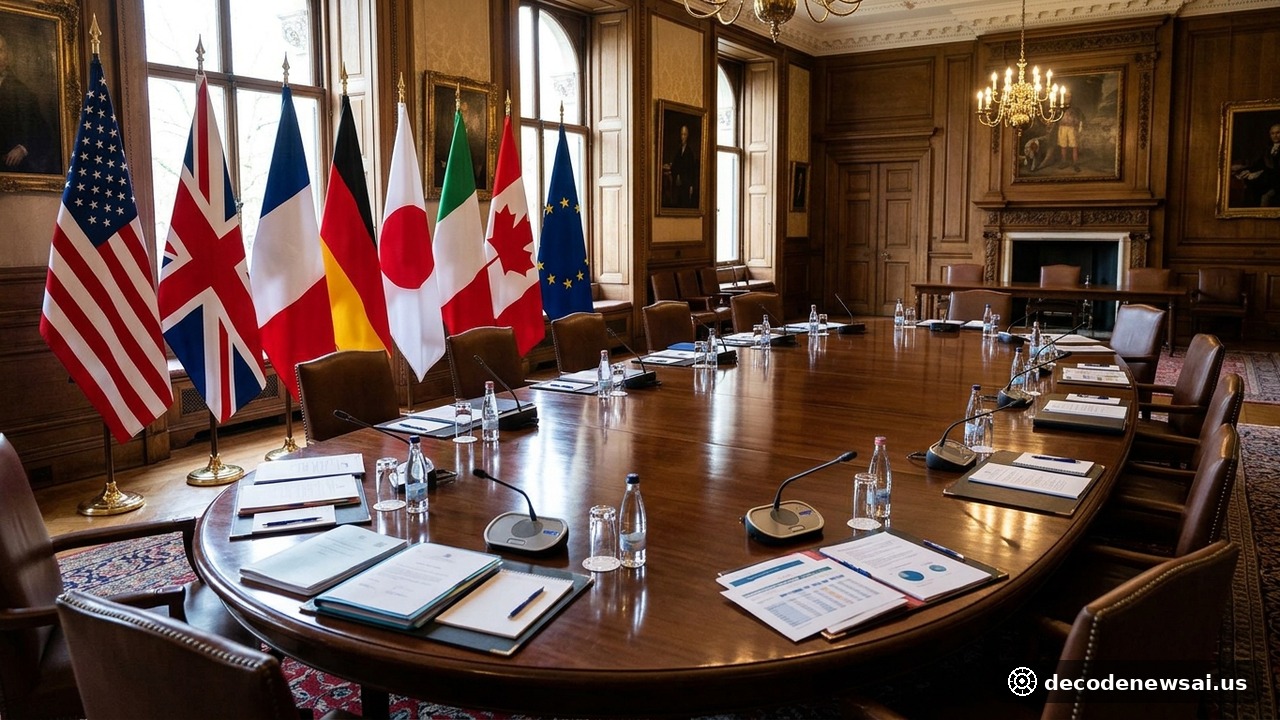
The Group of Seven (G7) nations and the European Commission finalized a multilateral financial assistance treaty in Brussels on November 11, 2026. Negotiators signed operational documents establishing a $50 billion loan facility for Ukraine. The loan structure is serviced entirely by profits generated from approximately $300 billion in immobilized Russian central bank sovereign assets frozen across Western financial centers. The Ukrainian sovereign treasury incurs zero direct debt servicing liabilities.
Ministerial communiqués confirmed national funding allotments. The United States and the European Commission will each provide $20 billion in bilateral loan commitments. Canada, Japan, and the United Kingdom committed the remaining $10 billion. The International Monetary Fund and the World Bank established dedicated fiduciary escrow mechanisms to supervise disbursements. Initial capital tranches will disburse before the end of December. Euroclear data revealed that frozen Russian central bank balances held in Belgium generate between 3 billion and 5 billion euros in net annual interest proceeds under prevailing interest rate regimes.
During preliminary technical negotiations, the European Central Bank and member state treasuries expressed reservations concerning potential sovereign immunity violations. G7 legal advisory panels developed an operational framework establishing that the facility captures extraordinary re-investment profits rather than the underlying sovereign principal. Title over underlying sovereign balances remains unaltered. Senior officials from Ukraine's Ministry of Finance confirmed initial funds will support emergency repairs across damaged electrical grid networks and municipal public services.
Russian Federation authorities responded with condemnation following the G7 announcement. The Ministry of Foreign Affairs in Moscow published an official denunciation, labeling the asset-backed loan structure as state-sanctioned financial expropriation. Russian state attorneys submitted emergency claims before the International Court of Justice and international arbitration tribunals. Bilateral retaliatory measures appear imminent. The G7 Technical Implementation Task Force scheduled an inaugural operational meeting for next week to finalize quarterly audit verification rules.