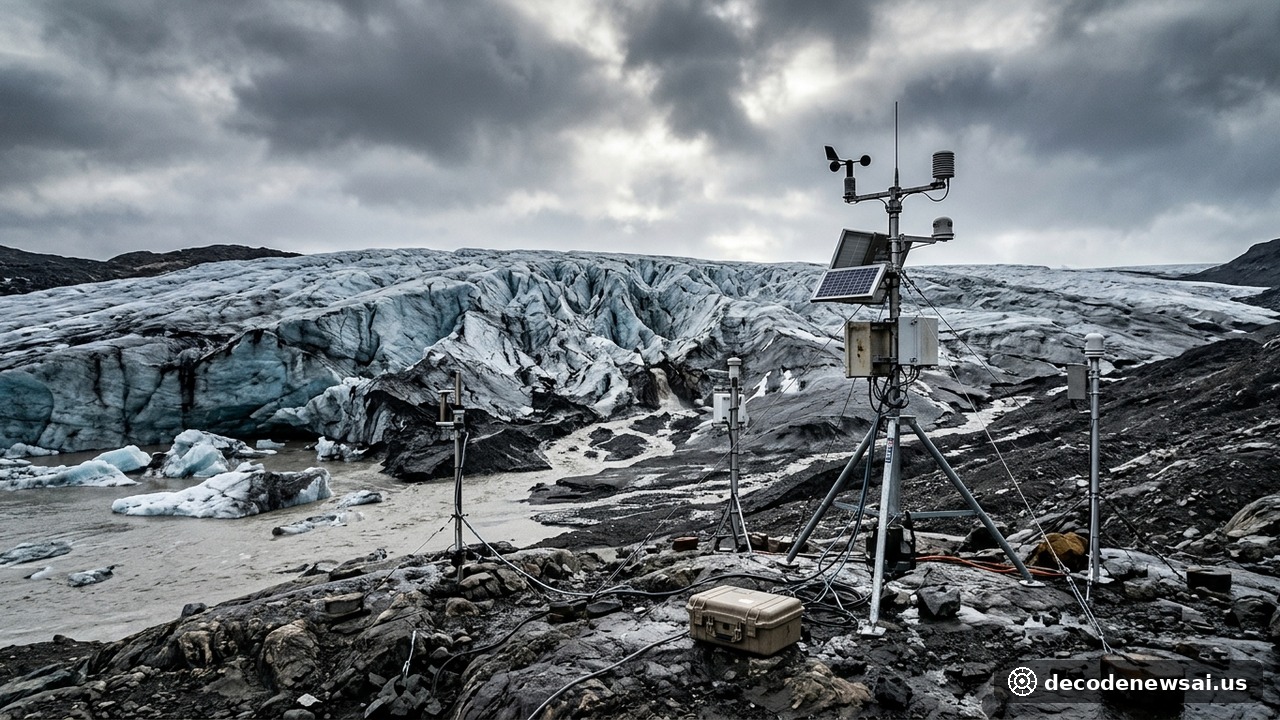
The European Union's Copernicus Climate Change Service (C3S) published a global climate assessment in Bonn on November 11, 2026. Satellite meteorological observations and historical climate reanalysis datasets confirmed extraordinary temperature anomalies across the first ten months of 2024; the data establishes that 2024 is virtually certain to surpass 2023 as the warmest calendar year since 1850. The calendar-year global average surface temperature anomaly is almost certain to exceed the threshold of 1.5 degrees Celsius above pre-industrial levels.
Observational telemetry released by C3S detailed historical anomalies: the global mean surface air temperature across January to October stood 0.71 degrees Celsius above the 1991 to 2020 baseline; the measurement represents the highest recorded temperature anomaly for this multi-month period in satellite records. Statistical extrapolations show that unless global temperature departures drop to unprecedented negative values across November and December, 2024 will conclude at least 1.55 degrees Celsius above pre-industrial baselines. Copernicus Climate Change Service Director Carlo Buontempo emphasized: The fundamental structural driver behind these temperature records is the persistent atmospheric concentration of greenhouse gases.
Polar sea ice telemetry revealed that Arctic sea ice extent reached its fourth-lowest October level in satellite history; Antarctic sea ice extent registered historic deficits for the second consecutive year. Concurrently with surface warming, severe meteorological disruptions accelerated across continents; devastating flash flooding across Western Europe and historic drought throughout South America's Amazon Basin reflected climate disruptions. World Meteorological Organization (WMO) leadership issued a call to diplomatic delegations assembled in Baku for the COP29 climate negotiations; international leaders urged member states to submit enhanced, binding Nationally Determined Contributions (NDCs). Glaciologists specializing in polar ice sheets warned that each fractional increase in global average temperature increases non-linear collapse risks across the Greenland and West Antarctic ice sheets; coastal urban centers face escalating storm surge exposures.