The United Nations Environment Programme (UNEP) and the World Meteorological Organization (WMO) formally released the Limiting Overshoot Report 2026 ahead of the upcoming 31st UN Climate Change Conference (COP31) in Antalya, Türkiye, with international humanitarian and research agencies issuing coordinated briefings on November 5 and 6, 2026. The landmark scientific assessment concludes that human-induced warming is nearing 1.4°C above pre-industrial baselines and rising at approximately 0.25°C per decade, establishing a 75% probability that the global five-year average between 2026 and 2030 will breach the critical 1.5°C temperature threshold enshrined in the Paris Agreement.
What Are the Critical Quantitative Benchmarks in the UNEP Overshoot Assessment?
- Remaining Global Carbon Budget for 1.5°C Goal: Approximately 130 GtCO2 (~3 Years Current Emissions)
- Projected End-of-Century Warming Under Current Law: Approximately 2.6°C (Range of 1.9°C to 3.6°C)
- Annual Climate Adaptation Finance Gap by 2035: $310 Billion to $365 Billion Annually
The findings demonstrate an extraordinarily narrow timeline for multilateral climate intervention. At current annual global emissions rates of roughly 40 gigatons of carbon dioxide (GtCO2), the remaining budget allocated to maintain a 50% chance of stabilizing global temperatures at 1.5°C will be entirely exhausted within three years. Climate trajectory projections indicate that even if all participating nations successfully implement their stated Nationally Determined Contributions (NDCs) and net-zero targets in full, peak warming will still reach approximately 1.8°C. Continuing existing energy and economic policies sets the planet on course for roughly 2.6°C of global warming by 2100.
UNEP Executive Director Inger Andersen cautioned that passing 1.5°C must not be treated as a license to abandon international decarbonization targets, but rather as an urgent mandate to construct institutional frameworks for an overshoot, peak, and return pathway. Andersen stressed that every additional fraction of a degree elevates risks of compound climate catastrophes across vulnerable populations.
What Irreversible Planetary Tipping Points Are Triggered by Temperature Overshoot?
The assessment warns that temperature overshoot is not a benign statistical event, but an extended multi-decadal phase that heightens the probability of crossing irreversible planetary tipping points.
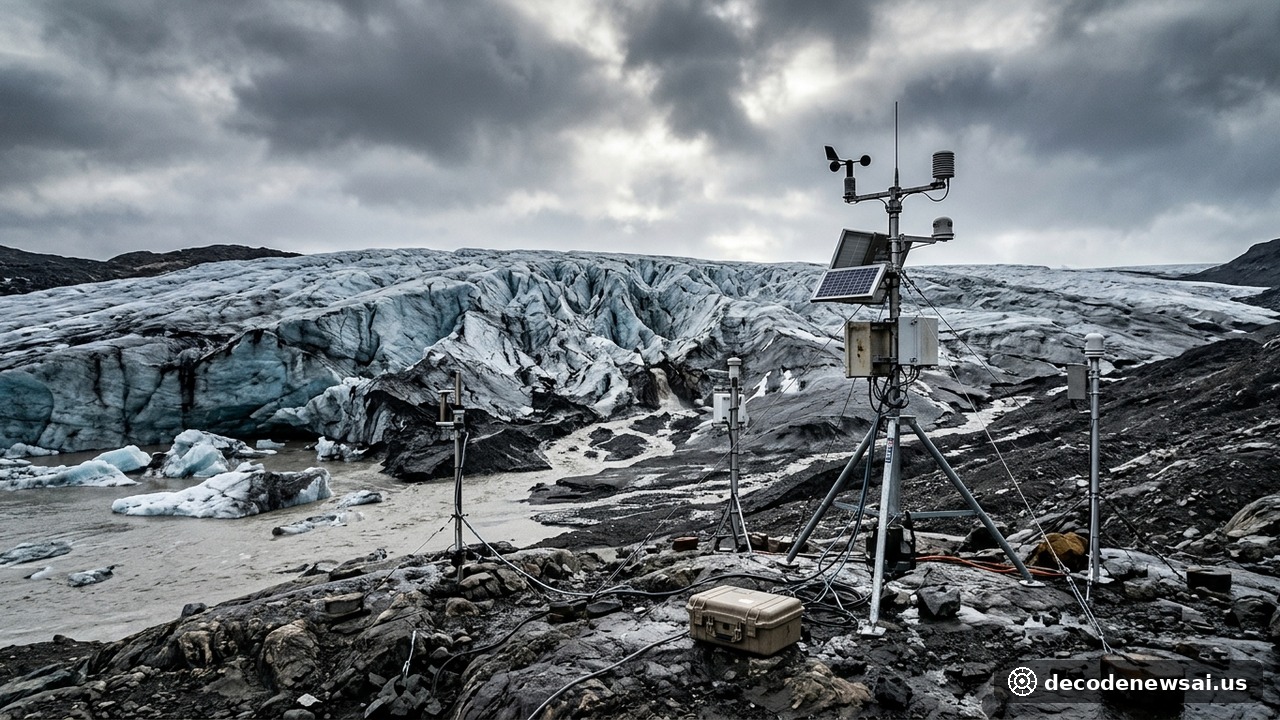
Prolonged elevated surface temperatures threaten to destabilize the Greenland and West Antarctic ice sheets, weaken the Atlantic Meridional Overturning Circulation (AMOC), and accelerate the ecological dieback of the Amazon rainforest into an arid savannah emitter. Mountain glaciers are projected to lose more than 25% of their total cryospheric mass by 2100 under current warming rates. Without comprehensive structural adaptation, global cereal crop yields could decline by up to 14% by mid-century, triggering systemic food insecurity and cross-border demographic displacement.
How Will the Upcoming COP31 Antalya Negotiations Shift Adaptation Finance Priorities?
Scheduled to convene in Antalya from November 9 through November 20, 2026, the COP31 climate negotiations represent a strategic transition from aspirational emissions pledges to practical survival architecture.
International development consortiums, including DanChurchAid and CARE International, called upon G20 member economies on November 6 to bridge the massive adaptation finance gap, which is projected to reach $365 billion annually by 2035. As exceeding 1.5°C shifts from a theoretical risk to an immediate reality, negotiations in Antalya will center on finalizing regulatory frameworks for high-integrity carbon dioxide removal (CDR), capitalizing the loss and damage compensation fund, and transferring disaster resilience capital to frontline developing states.
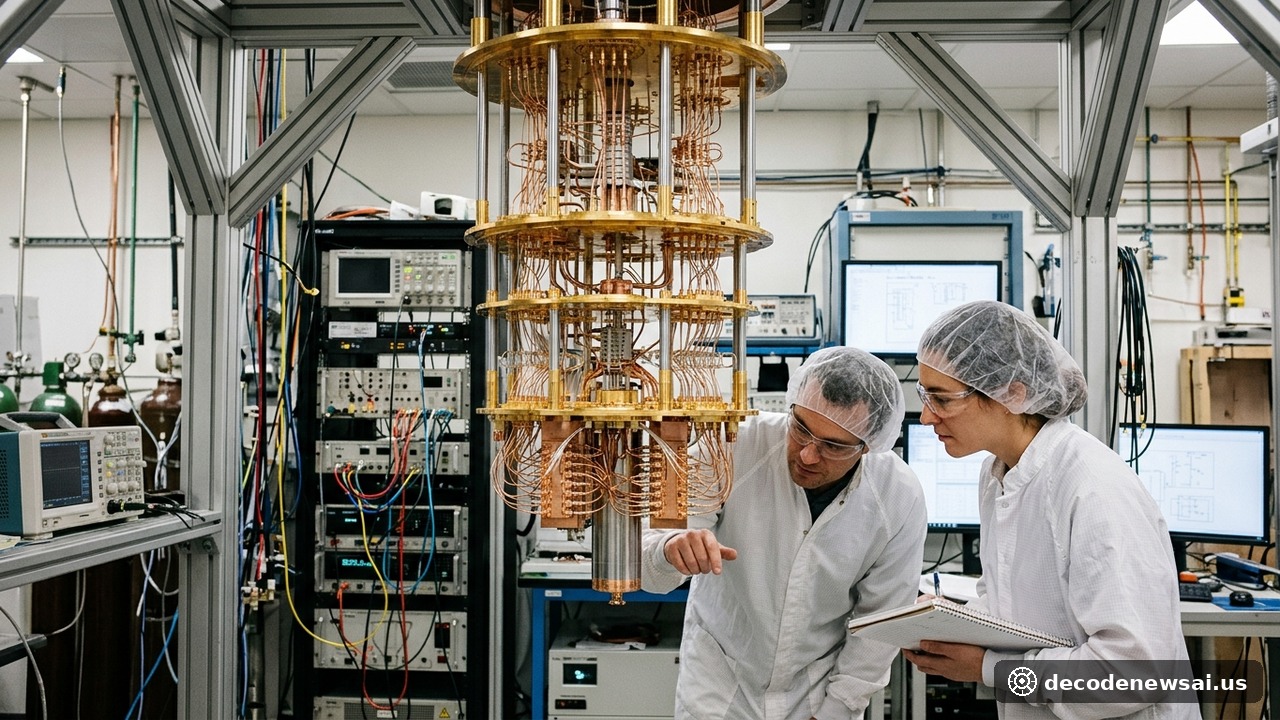
The report places unprecedented analytical emphasis on the technological and governance realities of large-scale carbon dioxide removal (CDR). While atmospheric restoration technologies such as direct air capture with carbon storage (DACCS) and enhanced rock weathering represent mathematical necessities within every credible overshoot return model, current operational deployments remove less than one million metric tons of carbon dioxide annually from the atmosphere.
Scaling atmospheric extraction to the gigaton levels required to reverse 0.1°C of overshoot by late century would require trillions of dollars in dedicated capital expenditures, alongside astronomical clean energy inputs that cannot compete with immediate societal decarbonization. Climate scientists at the Tyndall Centre warned that relying on hypothetical future carbon removal as an excuse to prolong current fossil fuel extraction guarantees ecological destabilization for generations to come.