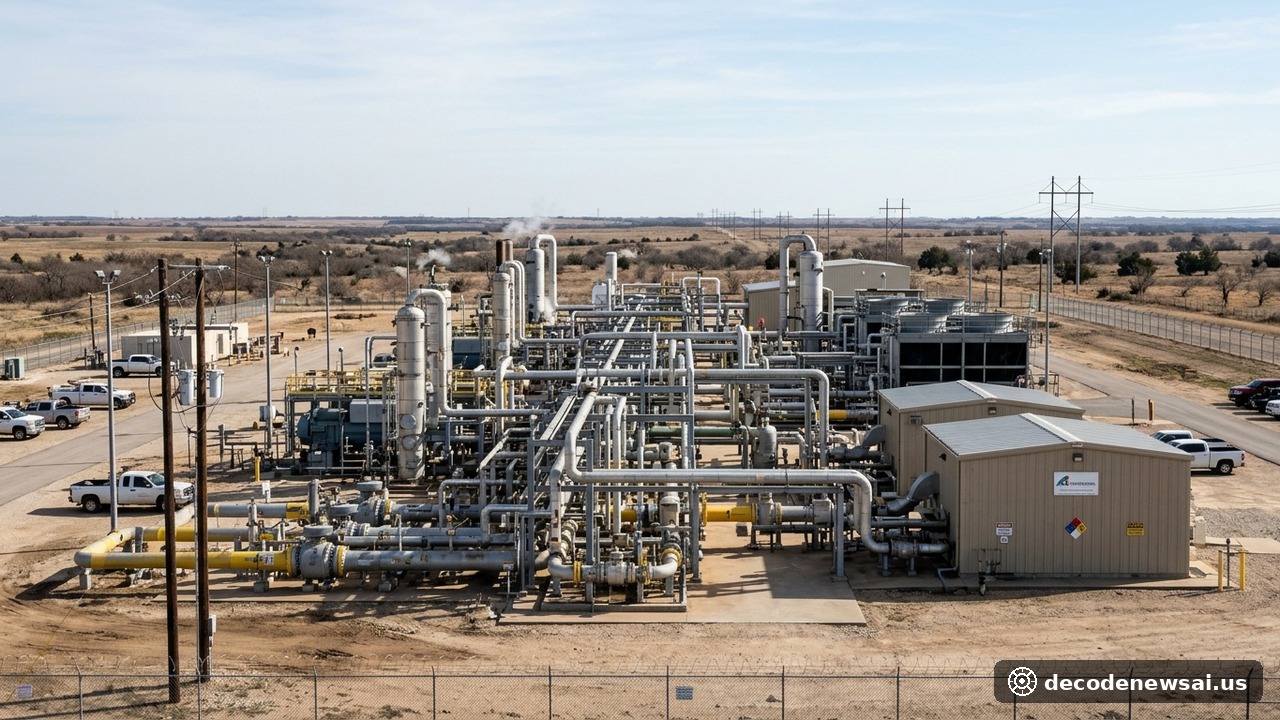
The US Environmental Protection Agency finalized its Waste Emissions Charge for oil and gas on November 12, 2024, under Section 136 of the Clean Air Act, as enacted by the 2022 Inflation Reduction Act, setting direct financial penalties on oil and gas facilities that emit excess methane above statutory intensity thresholds. The fee starts at $900 per metric ton for reported 2024 emissions, rises to $1,200 per ton in 2025, and reaches $1,500 per ton in 2026. The EPA rule targets large facilities reporting greenhouse gas emissions above 25,000 metric tons of carbon dioxide equivalent annually under its Greenhouse Gas Reporting Program; EPA Administrator Michael S. Regan announced the final rule at agency headquarters in Washington.
Regan said atmospheric methane is a potent climate pollutant; over its first two decades in the atmosphere, its global warming potential is more than 80 times greater than carbon dioxide; the final rule includes statutory flexibility provisions; companies operating multiple oil and natural gas facilities under common ownership or operational control can aggregate emissions across their production networks.
The American Petroleum Institute and the Independent Petroleum Association of America argued the regulation works as a punitive excise tax on domestic oil production; they said it will inflate heating bills for consumers; Senator Shelley Moore Capito of West Virginia is ranking member on the Senate Environment and Public Works Committee; she pledged to introduce a joint resolution of disapproval under the Congressional Review Act to overturn the rule. Congress allocated $850 million in dedicated funding under the Methane Emissions Reduction Program for regional independent producers operating low-volume marginal wells; the EPA administers these financial grants; they assist operators in deploying optical gas imaging cameras, continuous methane detection sensors, and zero-emitting pneumatic controllers.