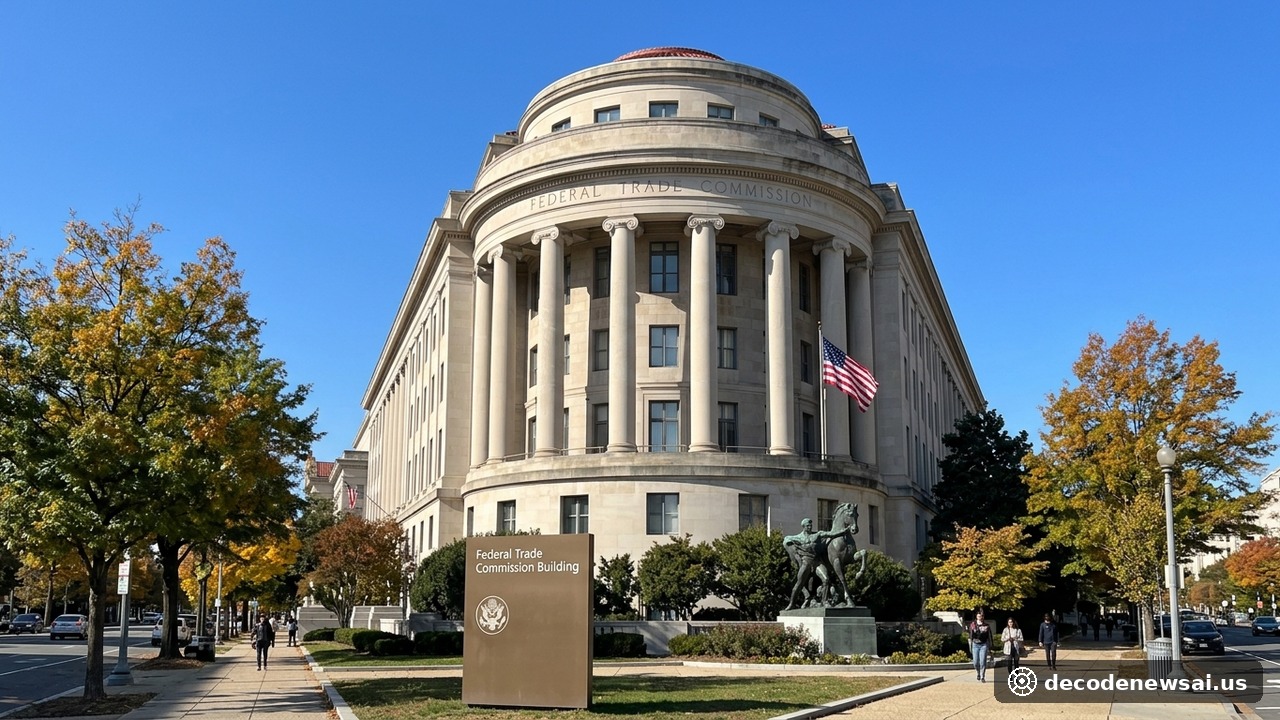
The Federal Trade Commission formally issued its final administrative rule governing deceptive subscription practices in Washington. The commission voted to finalize its "Click-to-Cancel" consumer protection regulation. The binding statute imposes transparency mandates across retail, streaming, and software subscription services nationwide. Businesses must ensure that canceling a recurring enrollment is as simple and rapid as the original sign-up process. Corporations that deploy deceptive cancellation mazes face civil financial penalties.
The regulatory determination targets digital enrollment traps that lock consumers into recurring automatic bank deductions. The statute prohibits deceptive negative-option billing frameworks that charge credit cards without explicit informed consent. Companies must deliver unambiguous billing notices prior to annual subscription renewals. Web services are prohibited from forcing customers to navigate repetitive retention offers or chatbots during cancellation flows. If an enterprise allows customers to sign up online, it must provide a matching digital cancellation pathway of equal simplicity. Non-compliant companies face civil penalties.
According to reporting from the Associated Press and Reuters, FTC Chair Lina Khan addressed regulatory delegates during a Washington news briefing. Khan said firms make subscription sign-ups effortless on a smartphone, but force consumers through phone hold times or physical visits to cancel service, calling that an unlawful and unfair commercial practice.
The US Chamber of Commerce and the National Retail Federation published joint statements condemning the rule as heavy-handed administrative overreach and arguing that a compliance window imposes unreasonable technical burdens upon complex enterprise retail billing architectures. Legal counsel representing retail associations claimed that prohibiting sellers from presenting competitive discount save offers infringes upon corporate commercial speech protections under the First Amendment. Business associations announced plans to challenge the regulation before the federal appellate bench. The FTC Bureau of Consumer Protection confirmed that compliance enforcement reviews will initiate.