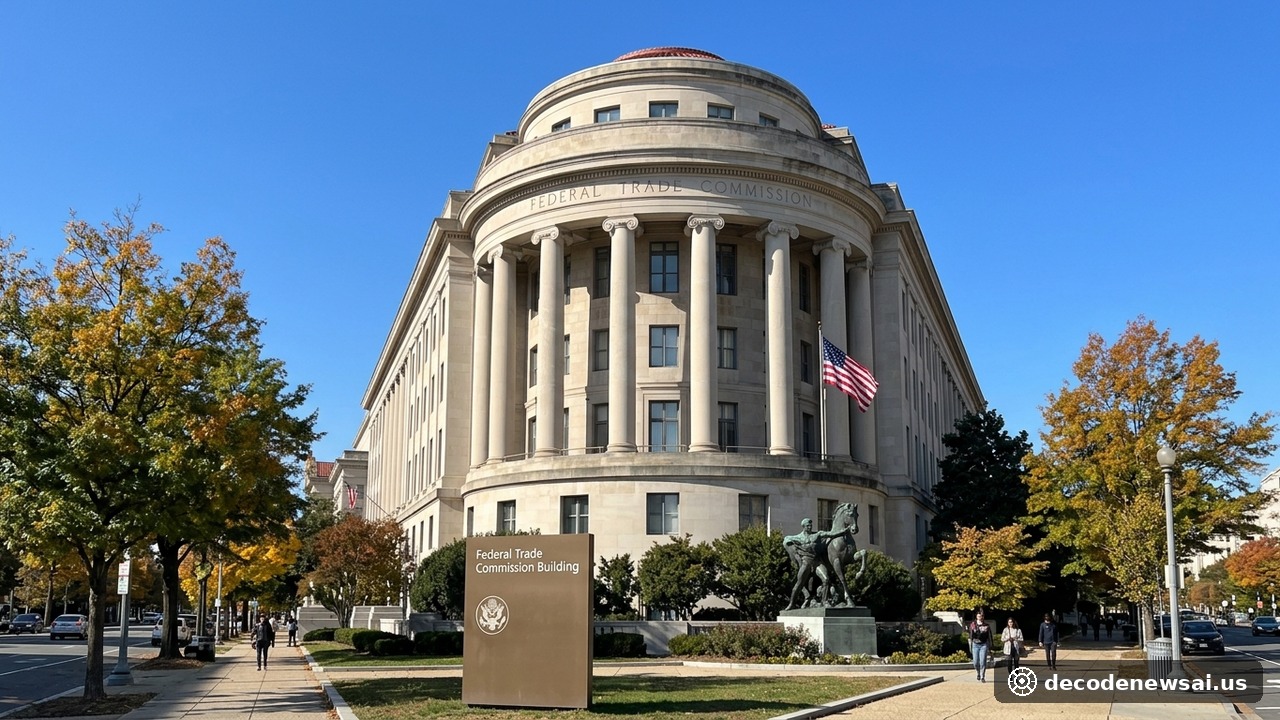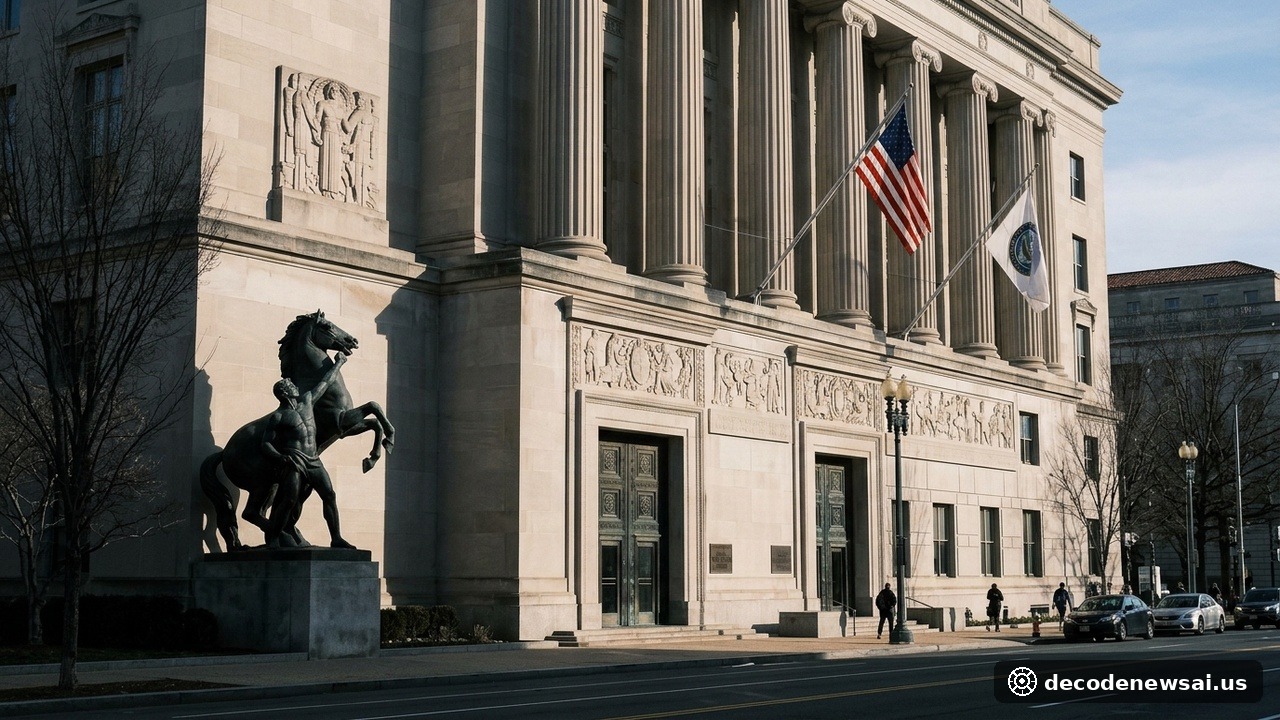
The Federal Trade Commission (FTC) and attorneys general from 22 states unsealed newly revealed evidence on November 5, 2026, in their landmark antitrust lawsuit against Amazon.com Inc., accusing the retail giant of manipulating its sponsored product ad auctions to covertly extract inflated fees from businesses. The unredacted filings submitted to the U.S. District Court for the Western District of Washington allege that Amazon systematically rigged algorithmic reserve prices, imposing hidden markups of up to 50% on ordinary shopping days and escalating surcharges to 250% during peak promotional shopping events such as Prime Day and Black Friday. Regulators argue the deceptive pricing scheme artificially squeezed over 1.2 million marketplace advertisers and worsened consumer retail inflation.
What Are the Key Quantitative Findings Unsealed in the Amazon Advertising Lawsuit?
According to the unsealed court filings, Amazon internal teams deployed proprietary algorithmic levers referred to as shadow pricing reserves to override competitive auction outcomes. When marketplace sellers and commercial brands entered bids for prominent keyword placement across product search results, automated mechanisms inflated minimum bid thresholds behind the scenes, ensuring the company captured premium advertising margins regardless of genuine advertiser demand. Given Amazon's commanding control over consumer retail searches in the United States, independent merchants were compelled to absorb escalating customer acquisition expenses to avoid losing product discoverability on the marketplace.
Antitrust prosecutors documented that Amazon deliberately obscured the underlying mechanics of these artificial rate hikes. Advertisers frequently attributed escalating cost-per-click charges to heightened commercial competition from rival brands, unaware that platform algorithms were systematically elevating baseline floor pricing. The complaint alleges that internal corporate communications explicitly prioritized ad monetization quotas over fair bidding dynamics, extracting billions of dollars in excess advertising revenues at the expense of merchant profitability.
The unsealed records further reveal that Amazon implemented specialized algorithmic multipliers during major promotional periods. During the company's annual 48-hour Prime Day event and throughout Cyber Week, when consumer traffic surges, the platform automatically applied dynamic auction multipliers that forced sellers to bid up to two-and-a-half times baseline rates just to retain ad impressions they previously secured at lower bids. Because merchant contracts prohibit directing shoppers to cheaper off-platform websites, independent brands were forced to absorb the charges or pass higher retail prices directly onto consumer purchases.
How Did Amazon Leadership Respond to Allegations of Auction Manipulation?
Amazon rejected the FTC's characterizations in a comprehensive rebuttal published on November 6, 2026, maintaining that its advertising mechanisms operate with absolute transparency and rigorous technical integrity. Corporate spokespersons clarified that reserve pricing structures represent industry-standard safeguards designed to prevent low-relevance promotional spam from degrading the consumer shopping experience. Amazon noted that it had updated seller help portals and educational documentation to explain how auction reserves and ad quality scores function within its commercial ecosystem.
Furthermore, Amazon's legal counsel asserted that the government's complaint fails to establish any causal link between advertising auction dynamics and broader retail price inflation for consumers. The retailer argued that its machine learning ad systems enhance efficiency by pairing prospective buyers with highly relevant merchandise, reducing marketing waste and generating positive sales returns for participating merchants. Amazon declared its intention to vigorously contest the unsealed allegations before federal judges, emphasizing that judicial interference in dynamic auction algorithms would penalize retail innovation.
What Are the Broader Regulatory Ramifications for Digital Advertising Platforms?
The unsealing of detailed algorithmic evidence marks an inflection point in global antitrust enforcement targeting digital platform monopolies. For years, major technology conglomerates have shielded proprietary bidding mechanics behind commercial trade-secret protections, creating profound informational asymmetries between platform operators and commercial advertisers.
Should federal courts determine that Amazon's reserve pricing configurations violate federal competition statutes, the ruling could precipitate massive financial damages and trigger mandatory structural remedies across the digital commerce sector. Legal analysts anticipate that a plaintiff victory would accelerate legislative momentum for algorithmic transparency laws, obligating dominant ad brokers across search and social media to submit their auction bidding codes to independent compliance auditing. State attorneys general from California to New York signaled that they view auction transparency as an essential pillar of consumer protection in digital retail.