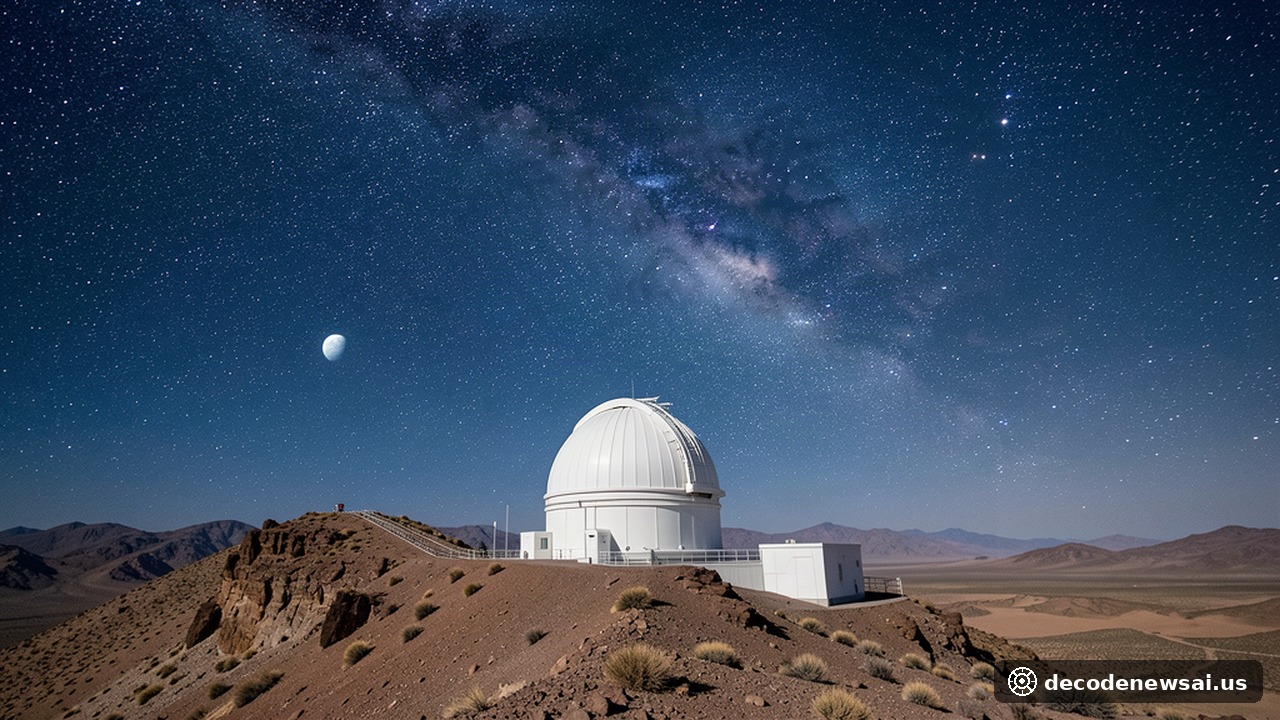
The Simons Observatory in northern Chile's Atacama Desert reached full operational status on November 12
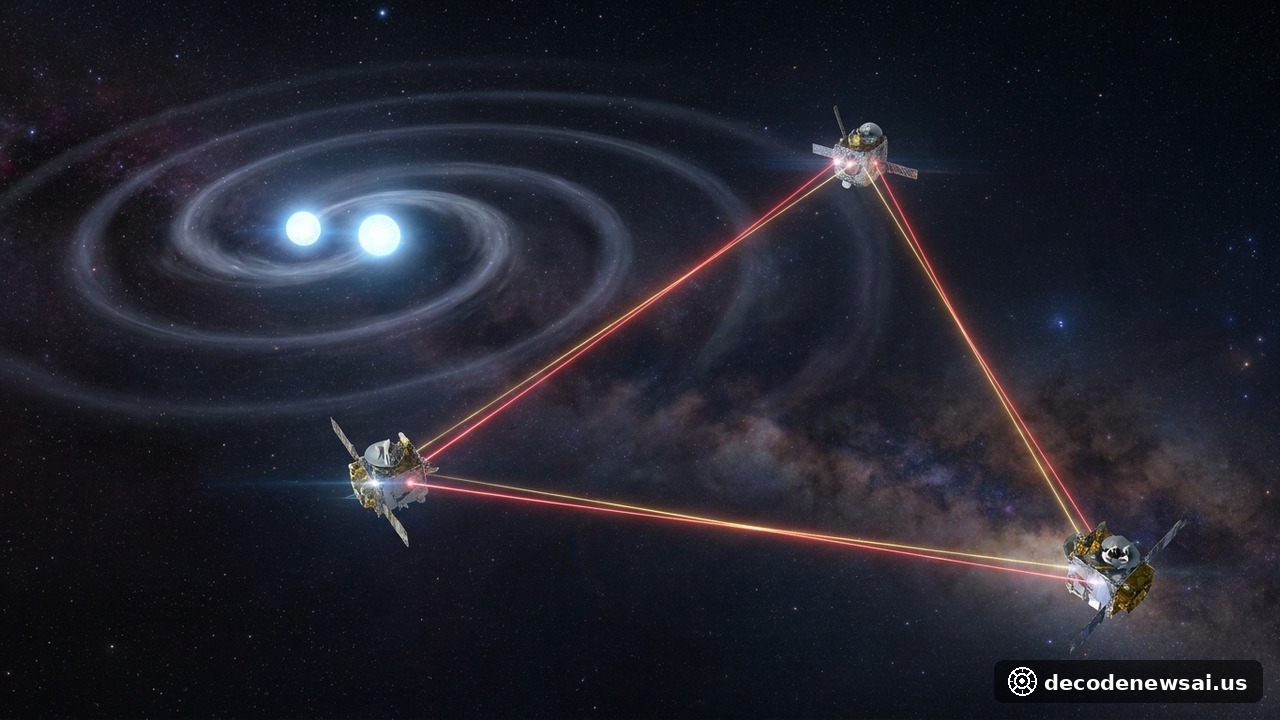
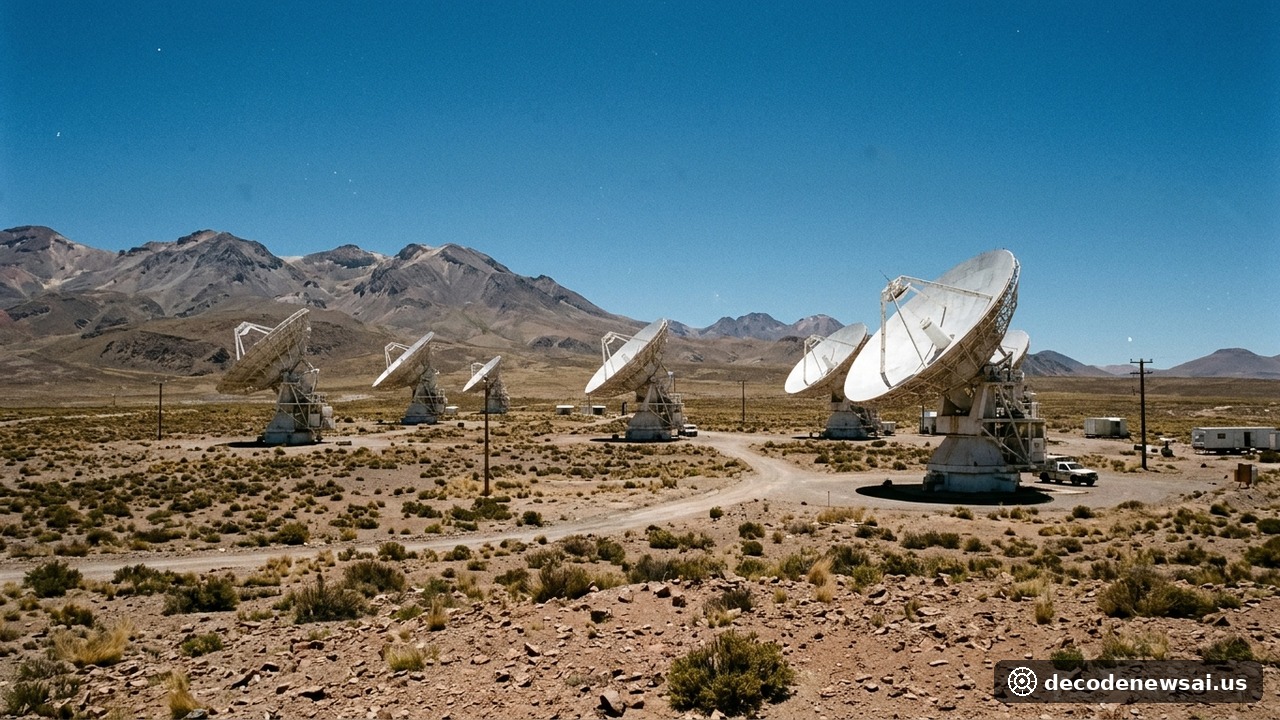
Positioned at an altitude of five thousand two hundred meters on Cerro Toco, the facility captures the cosmic microwave background with unprecedented sensitivity. The observatory integrates a six-meter Large Aperture Telescope paired with three dedicated Small Aperture Telescopes. The system deploys sixty thousand superconducting transition-edge sensor bolometers cooled to one-tenth of a degree above absolute zero; scientists analyze polarized millimeter radiation to hunt for primordial gravitational wave imprints generated during the first fraction of a second after the Big Bang.
International research teams led by Princeton University, the University of Pennsylvania, and the University of California San Diego operate the installation. Initial operational engineering runs mapped microwave emissions across the Milky Way and detected thousands of extragalactic radio sources; the high-altitude desert environment provides exceptionally arid atmospheric conditions necessary to filter out interfering atmospheric water vapor. Co-spokesperson Professor Suzanne Staggs of Princeton University celebrated the transition to scientific operations: "Essentially, right out of the box, just turning on the instrument, we're making beautiful crisp images of the Milky Way," confirming that sensor optical alignments achieved design specifications.
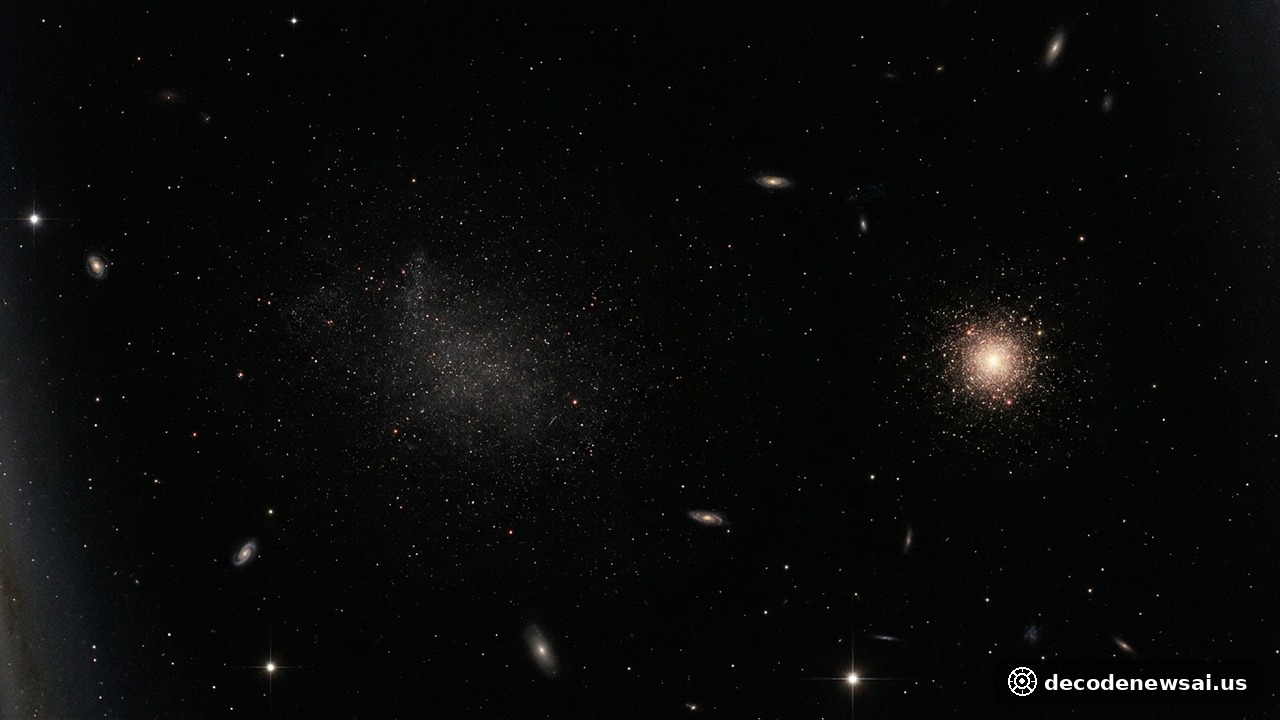
Astronomers will track signature B-mode polarization patterns to test inflationary cosmological models over the next decade; the observatory also surveys the thermal Sunyaev-Zeldovich effect to catalogue massive galaxy clusters across cosmological epochs; precision measurements will provide tighter constraints on the sum of neutrino masses and dark energy equation-of-state parameters. Engineering teams spent eight years constructing the mountain facility in the remote Antofagasta region. Over two hundred collaborating physicists and astrophysicists from thirty-five international institutions share observational data pipelines. Regular survey data releases will begin circulating to the broader astronomical community following preliminary calibration cycles next spring.