PHNOM PENH, Cambodia - Canadian Prime Minister Mark Carney said on Nov. 16, 2026, that Canada could work with Chinese automakers if trade talks with President Donald Trump fail to preserve an integrated North American auto market.
Canada cuts EV tariff under January 2026 deal
Carney Sets Conditions for Chinese Investment
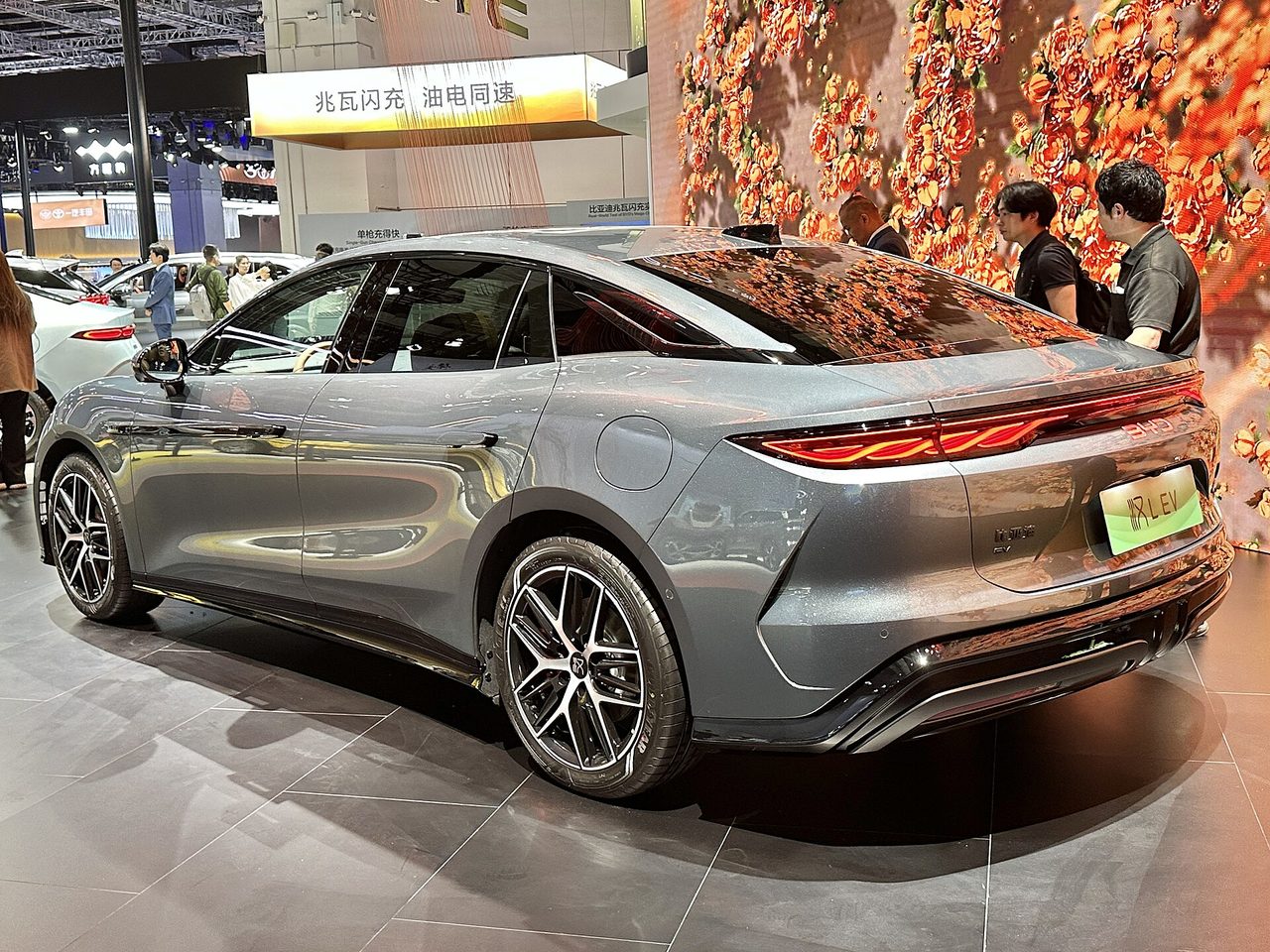
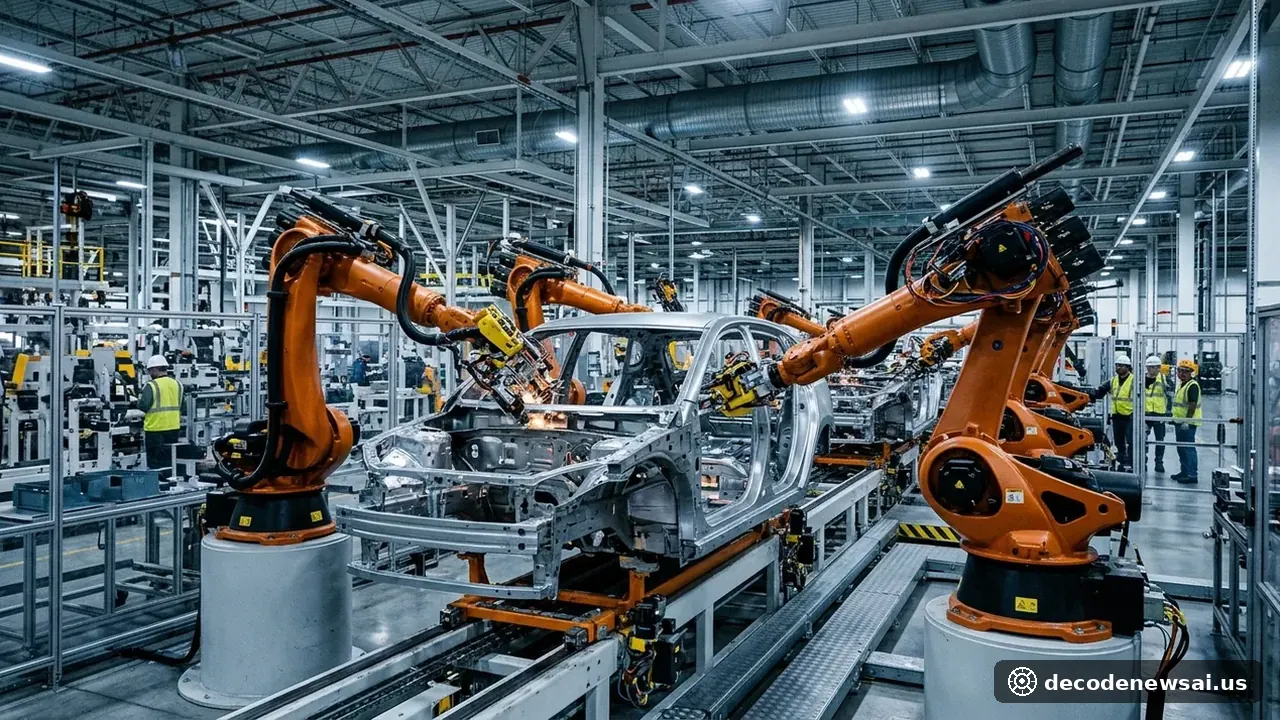
Speaking to reporters in Cambodia, Carney emphasized that reaching a deal with Washington remains his priority, though its outcome will determine whether Ottawa pursues European, Chinese, or Japanese alternatives. Any Chinese auto investment in Canada would require substantial domestic manufacturing, proper labor standards, and local supply chains using Canadian critical minerals rather than assembling imported kits. Under a January 2026 agreement, Canada cut its 100% tariff on Chinese electric vehicles to 6.1% for up to 49,000 cars annually, while Beijing lowered duties on Canadian farm goods including canola.
US Tariffs Strain Cross-Border Auto Ties
Carney to meet Xi in Shenzhen on Nov 17
Trump's tariff policies have disrupted deeply integrated assembly lines operated across the United States, Canada, and Mexico by Ford, General Motors, and Stellantis. Ottawa recently threatened to sue Stellantis after the automaker shifted planned Jeep Compass production from Ontario to Illinois. Ontario Premier Doug Ford has warned that welcoming Chinese electric vehicles risks Canadian jobs and US market access, while US Ambassador Pete Hoekstra stated in March 2026 that Chinese cars imported into Canada would not be allowed into the United States.
Shenzhen Summit Marks Next Trade Test
Carney is scheduled to meet Chinese President Xi Jinping on Nov. 17 in Shenzhen at the Asia-Pacific Economic Cooperation summit, where auto manufacturing is expected on the agenda. "If they are not fully utilized in a North American context, that provides other opportunities," Carney said of Canada's auto workers. "Canada is going to move forward either way."