Japan Launches Historic Mission to Bring Home Samples from Mars's Moon Phobos
Japan Launches MMX to Sample Mars's Moon Phobos
At 4:41 a.m. JST on October 20, 2026, the Japan Aerospace Exploration Agency (JAXA) launched the Martian Moons eXploration (MMX) spacecraft aboard H3 Launch Vehicle flight No. 10 from the Tanegashima Space Center. The mission aims to land on Phobos, one of Mars's two moons, collect surface samples, and return them to Earth — the first attempt of its kind.
Probe Entered Planned Orbit With Precision Beyond Spec
JAXA said the spacecraft separated from the rocket and was placed into its planned orbit. H3 project manager Makoto Arita said the probe was inserted into the planned orbit "with exceptional precision." Science Minister Yoshihiro Seki called MMX "a challenging mission aiming for the world's first sample return from the Martian moons," saying results would contribute to Japan's space science and exploration technology.
Solving the Long Mystery of How Mars Got Its Moons
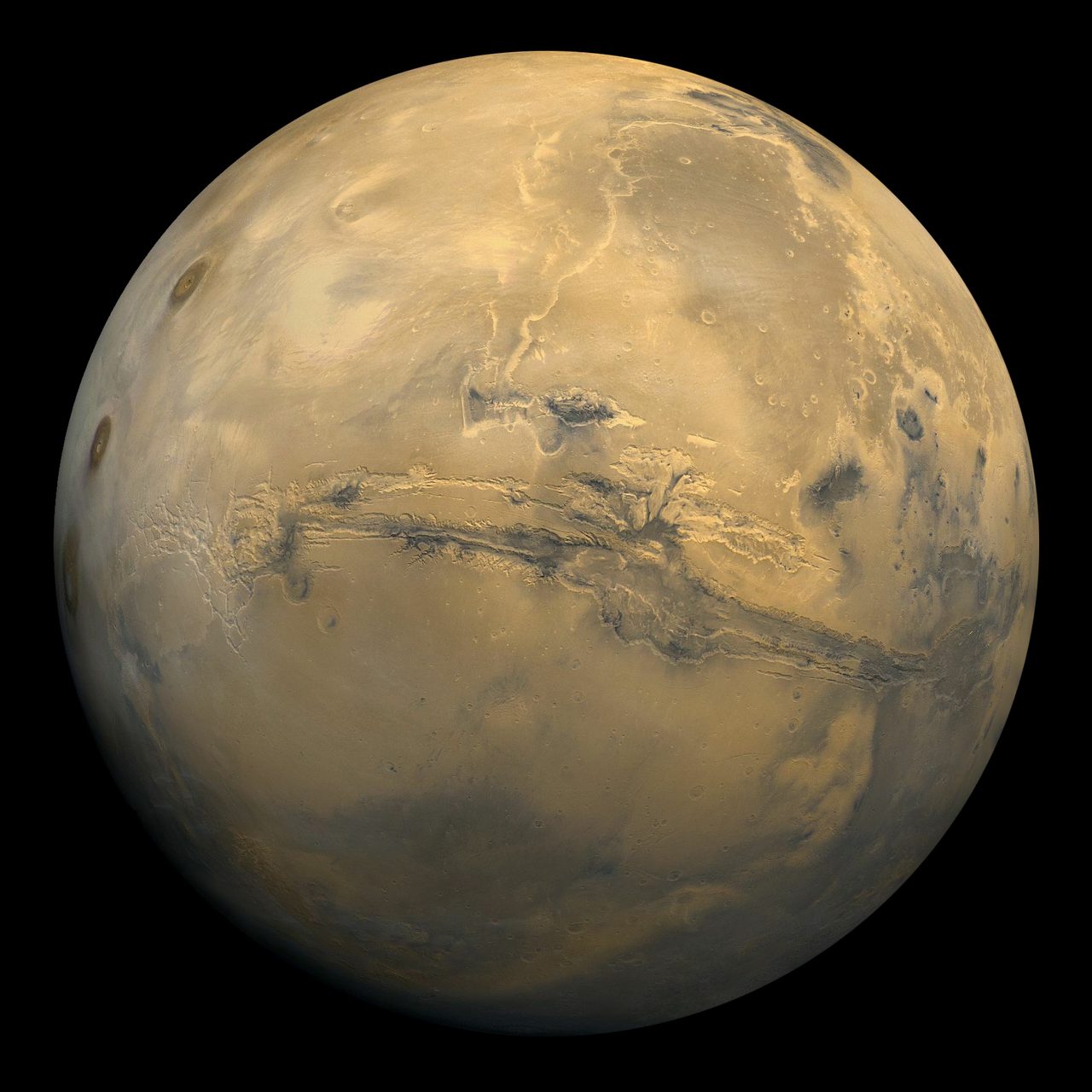
Phobos, about 14 miles (22 kilometers) across, and Deimos, about 6 miles (10 kilometers), are Mars's only natural satellites, and their origin remains debated. Leading theories include formation from debris blasted out by an early giant impact on Mars, or capture of passing asteroids by Martian gravity. MMX plans to collect at least 10 grams of rocks, dust, and soil from Phobos and return them in 2031, helping determine whether the moons are impact debris or captured bodies and shedding light on early solar-system evolution.
A Multinational Mission Spreading Cost and Science Returns
The $578 million mission is funded by Japan ($350 million), NASA ($87 million), France's space agency (about $68 million), Germany's aerospace center (about $56 million), and ESA (about $17 million). The 5-ton (4.5-metric-ton) spacecraft carries a NASA spectrometer, lasers, cameras, dust and radiation monitors, and the French-German "Idefix" rover, named after the terrier in the Asterix comics, to scout landing sites. NASA science mission director Nicky Fox said the returned samples could transform understanding of the Martian system as NASA prepares to send humans to Mars.
Mars Arrival in 2027, Samples Back on Earth in 2031
A Race With China's Tianwen-3
Reports also note China's plan to launch Tianwen-3 in 2028 to sample Mars itself, with samples expected back around 2031 — meaning China could still achieve the first Mars-system sample return ahead of Japan. The United States and Russia have previously attempted to collect Mars-system samples without success.