The National Aeronautics and Space Administration on Monday officially opened nationwide applications for its next class of astronaut candidates, seeking qualified scientists and engineers to support the Artemis deep-space lunar campaign. Selected recruits will form the 25th astronaut candidate class, serving as foundational crews for future lunar base operations and eventual human expeditions to Mars. The formal application window closes on December 3, 2026. Entry qualification criteria remain exceptionally rigorous. Aspiring aerospace professionals across the country responded with widespread enthusiasm.
Active Astronaut Corps Faces Personnel Shortage Amid Expanding Lunar Commitments
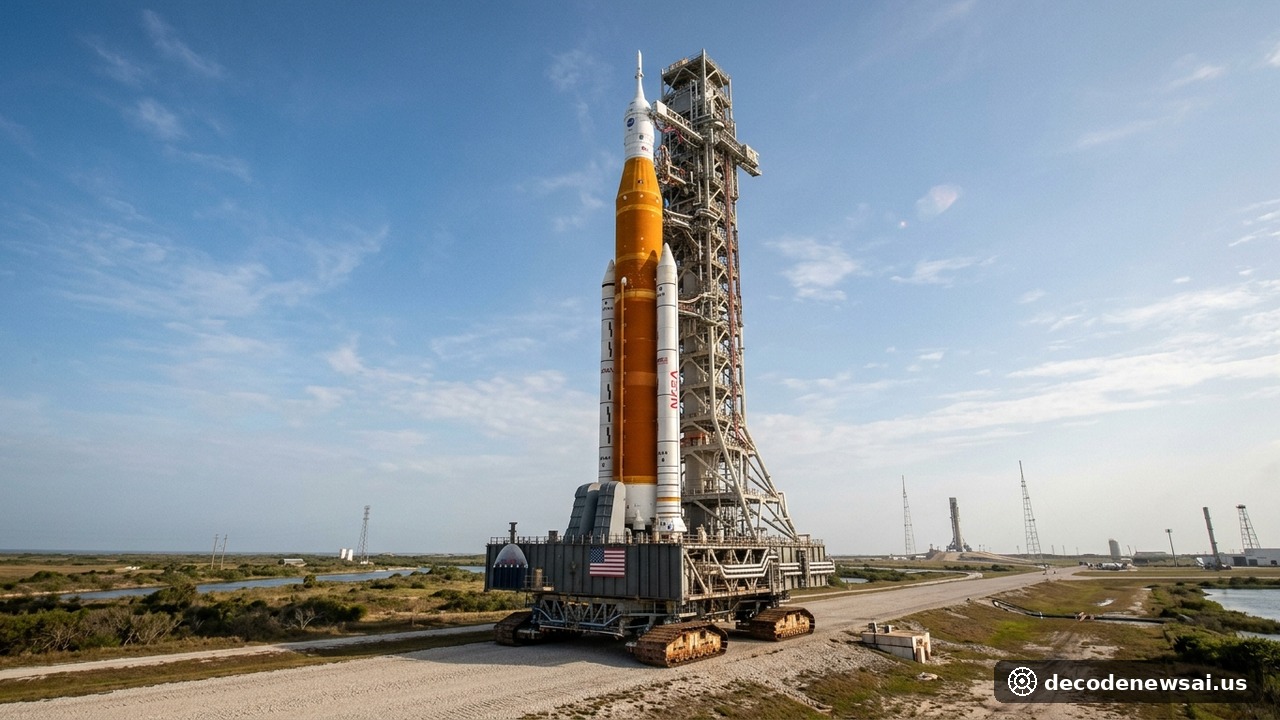
NASA's active astronaut corps currently stands at 32 individuals, marking a historically lean operational roster during an era of expanding deep-space requirements. With the successful completion of the Artemis II lunar flyaround mission and Artemis III lunar landing flights on the near-term manifest, flight controllers require additional qualified operators. Beyond sustaining permanent rotating crew assignments aboard the International Space Station, establishing the Gateway lunar orbital outpost and surface science bases demands specialized technical personnel. Expanding personnel capacity has become urgent. Training new operational cohorts is essential.
Historical recruitment data released by NASA Human Resources indicates that the agency's previous recruitment drive two years ago attracted more than 8,000 eligible applications. Following extensive physiological testing and psychological assessments, only 10 candidates were selected in September 2025. The final acceptance rate was well below one percent. The current application cycle is expected to generate similar levels of competition. Major university research faculties and military flight wings mobilized immediately.
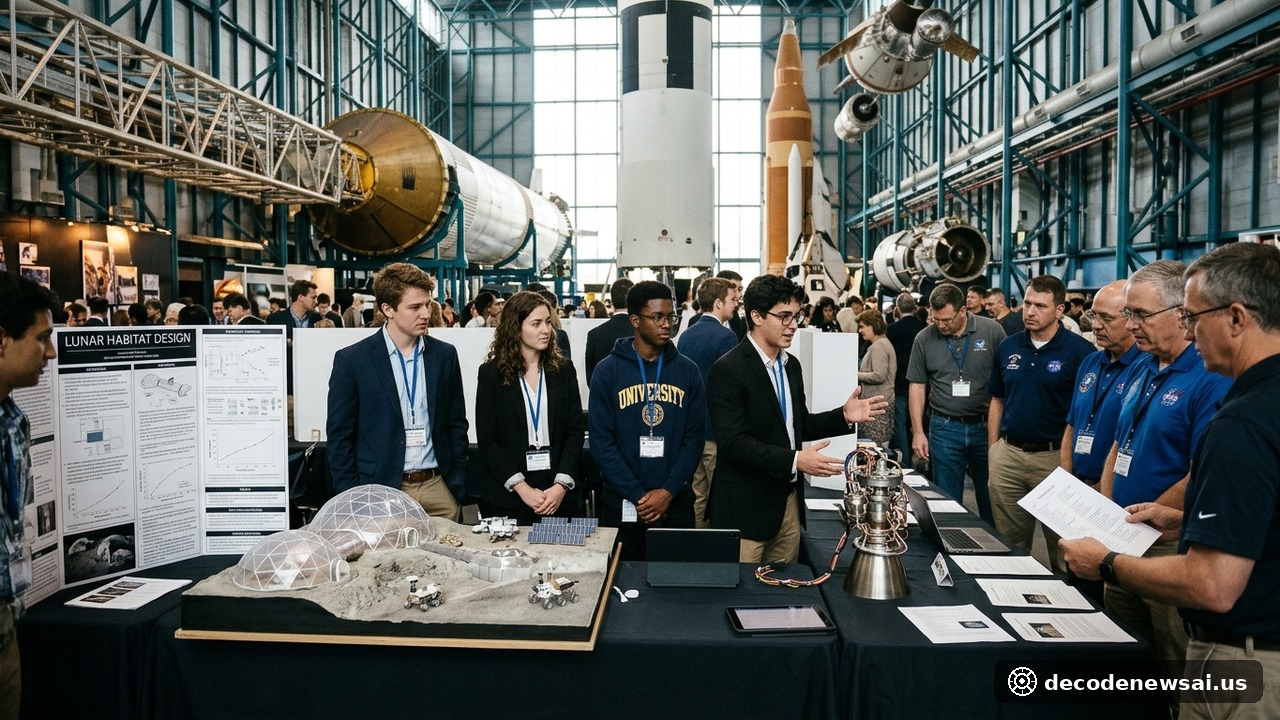
Artemis III mission commander Randy Bresnik underscored the acute personnel constraints during a public appearance at the Kennedy Space Center aerospace expo on Saturday. He stated: "We have far more work than we have astronauts." Bresnik's candid evaluation highlighted the operational demands confronting the civilian space program. Multiple active veteran spaceflight commanders echoed his remarks while promoting the national recruitment drive. Complex deep-space missions require immediate roster expansion.
Comprehensive Academic Criteria Emphasize STEM Credentials and Flight Testing
Statutory candidate specifications published in NASA's official recruitment announcement mandate United States citizenship alongside a master's degree in a recognized STEM discipline. Eligible fields encompass accredited programs in engineering, biological science, computer science, physical science, or mathematics. Candidates must also demonstrate at least three years of progressive professional experience in their technical field or have logged at least 1,000 hours of pilot-in-command time in jet aircraft. Medical qualification thresholds are uncompromising. Stress-management psychological evaluations will be comprehensive.
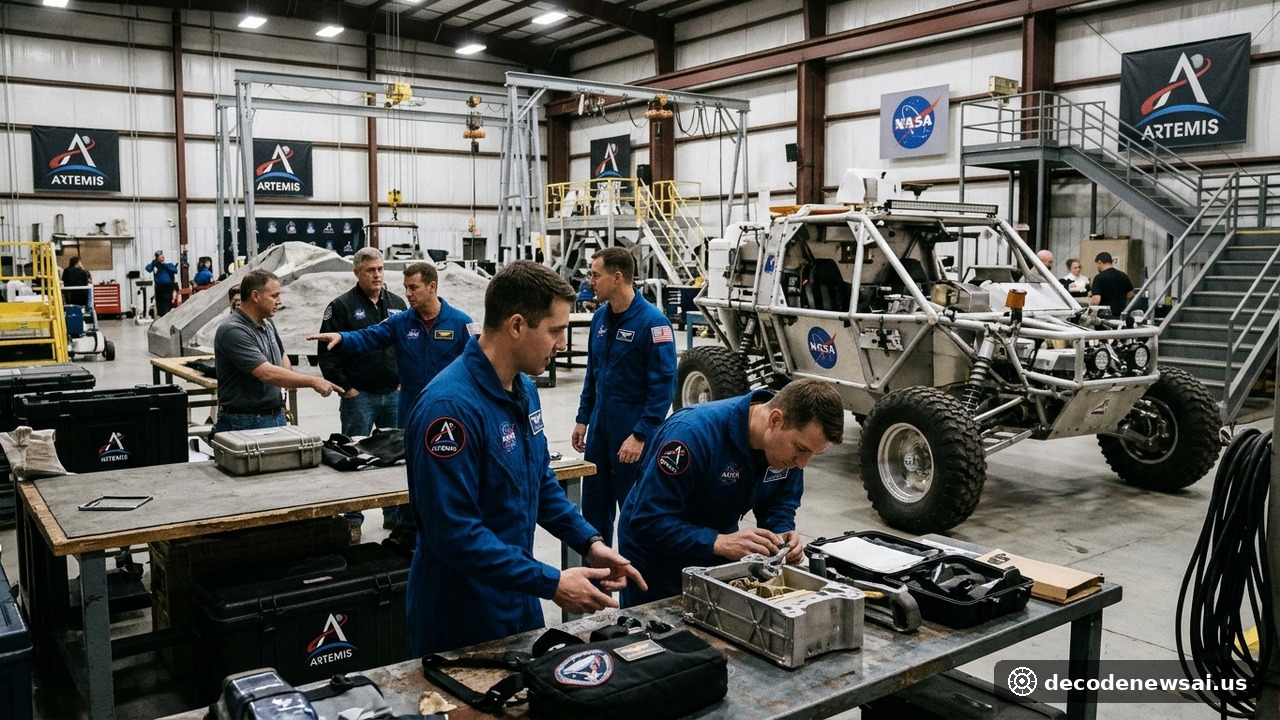
The final roster of selected candidates will be announced publicly in late 2027. The newly minted candidates will report to the Johnson Space Center in Houston by early 2028 to commence two years of intensive baseline training. Core curriculum areas include spacewalk simulation within the Neutral Buoyancy Laboratory, terrestrial field geology exploration, foreign language proficiency, and tactical flight maneuvers in T-38 supersonic jet trainers. Rigorous technical evaluations will proceed continuously. Trainees must clear every instructional phase.
NASA officials placed special emphasis on emotional resilience and interdisciplinary collaboration in isolated environments. Living inside small habitats 240,000 miles from Earth requires unshakeable mental equilibrium. Selection methodologies integrate multi-stage psychological stress testing alongside sustained isolation simulations. Evaluation protocols have been designed with extreme care. Identifying versatile technical leaders remains the central objective.
Lunar Base Infrastructure and Long-Range Human Mars Exploration Milestones
Recruits selected for the 25th candidate class will achieve significant historical milestones across human space exploration. The most capable among them will serve as the first long-duration crews stationed at lunar south pole research habitats. NASA plans to deploy surface infrastructure including nuclear-powered rovers and automated resource extraction equipment. Crews will extract water ice from permanently shadowed polar craters for life support and propellant manufacturing. Deep-space exploration is entering a functional construction phase. Surface resource processing is about to commence.
This emerging cohort will also establish technical foundations for eventual crewed voyages to Mars. The NASA Administrator's office reaffirmed that lunar base assets serve as the proving ground for closed-loop life support architectures. By studying human physiological adaptation in partial gravity, the agency will assemble vital biomedical datasets required for interplanetary transit. Ambitions of interplanetary exploration continue to inspire a new generation of scientists. National aerospace goals remain bold and clear.
Federal application servers on the USAJOBS portal experienced intense user traffic following Monday's formal opening. Thousands of aerospace engineers and commercial test pilots began assembling academic transcripts and medical verification documents. The competitive national recruitment process is now underway across every state. Humankind's collective push toward deep space maintains strong forward momentum. Returning permanently to the lunar surface is rapidly approaching reality.